

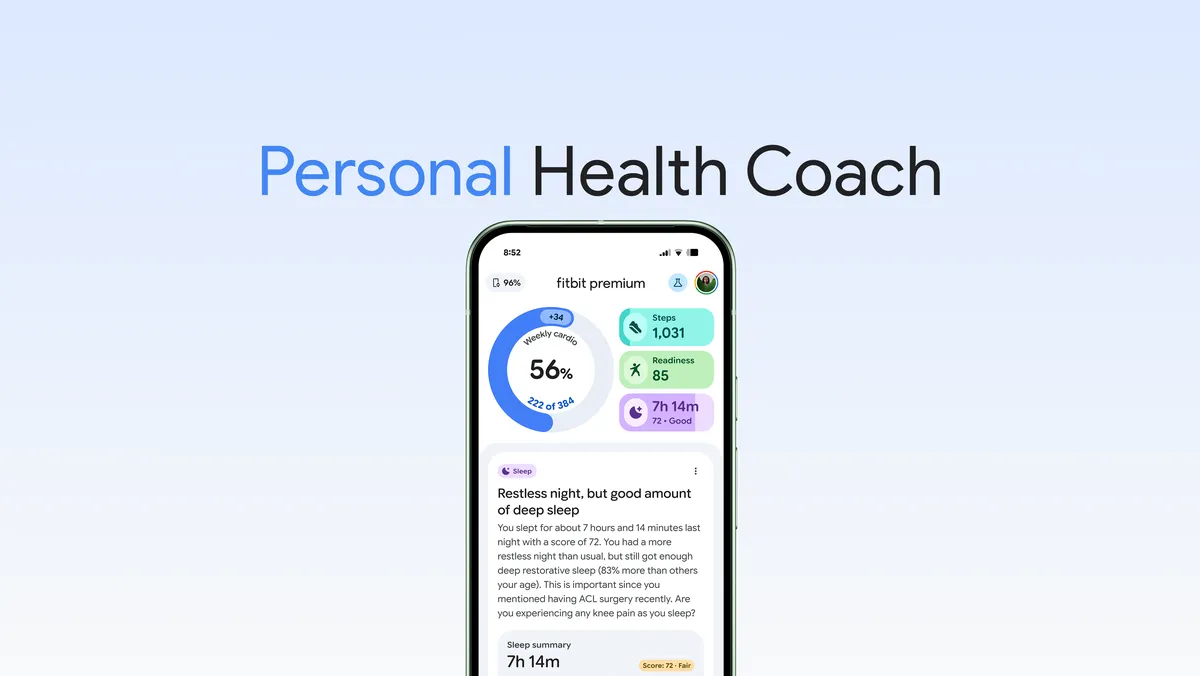
For years, fitness trackers have been incredibly good at collecting mountains of physical data, but actually figuring out what to do with all those numbers usually required you to be your own personal trainer. Google is actively changing that dynamic. After an initial limited launch, Fitbit has officially announced a massive global expansion of its AI-powered personal health coach, bringing actionable, contextual fitness advice to millions of new users.
A Truly Global Rollout
The most significant aspect of this update is its sheer scale. The Fitbit personal health coach is officially moving out of its geographically restricted bubble and rolling out in public preview across thirty-seven countries and thirty-two different languages. Crucially for local users, Malaysia is explicitly included in this immediate expansion, complete with native Malay language support alongside options like Traditional Chinese, Hindi, and Japanese.
Google is also tearing down the typical software paywalls often associated with advanced fitness features. The company confirmed that this AI coach is not being strictly gatekept for high-paying subscribers. Instead, the public preview is openly accessible to both free and Premium Fitbit users operating on either iOS or Android devices. Eligible users can expect the update to appear natively within their Fitbit applications gradually over the coming weeks.
Making Sense of Cardiovascular Health
Beyond just understanding more languages, the underlying intelligence of the coach is getting a highly practical upgrade. Fitbit is officially integrating VO2Max metrics—previously referred to within the ecosystem as your Cardio Fitness Score—directly into the AI coach’s analytical engine.
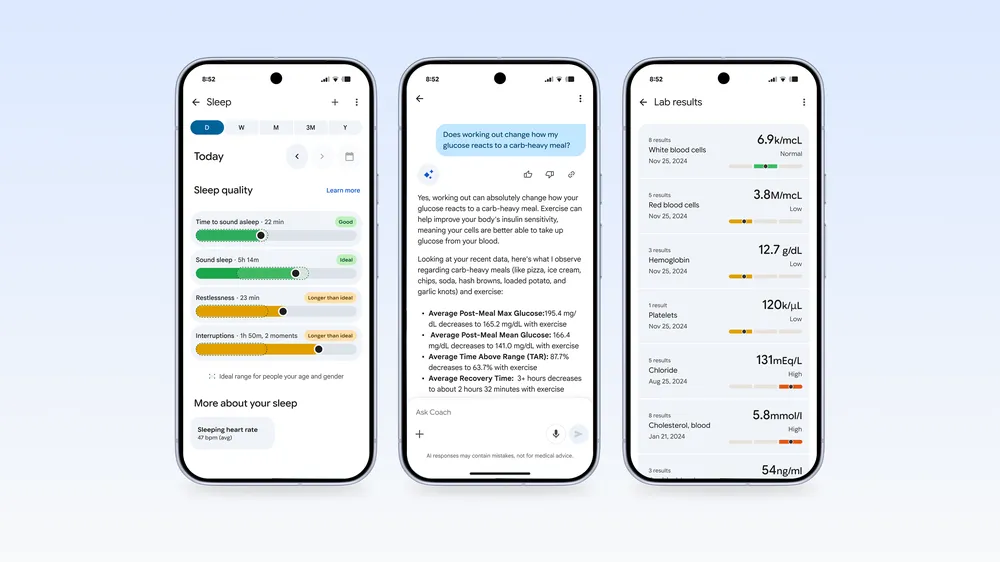
In daily use, this completely changes how you interpret your heart health. Instead of simply staring at an arbitrary cardiovascular score on a graph and wondering if it is good for your age group, the AI coach can actively contextualise that specific data point. It will seamlessly weave your VO2Max readings into its daily recommendations, helping you understand exactly how your current cardiovascular performance impacts your broader wellness goals and suggesting the specific physical adjustments needed to safely improve your endurance over time.
The Shift Toward Actionable Data
This expansion highlights a clear structural shift in the wearable tech market. Consumers no longer just want a digital pedometer strapped to their wrist; they want an active, intelligent advisor. By leveraging generative artificial intelligence to process complex biometrics and deliver personalised, natural-language guidance, Fitbit is making health tracking significantly more intuitive. For everyday users who simply want to know how hard they should push themselves on a morning run without deciphering complex physiological graphs, this accessible, widespread rollout is an incredibly welcome development.