

This article is contributed by Shreehas Tambe, CEO and Managing Director, Biocon
Changing the trajectory of Malaysia’s rising diabetes burden1 may be one of the most consequential public health opportunities for the country today.
Advances in treatment have expanded the options available to people living with diabetes in Malaysia. Yet the next frontier must extend beyond managing the disease to preventing or delaying its onset, identifying risk earlier and enabling people to act before complications take hold.
The urgency is clear. Diabetes is rising across the region, and Malaysia is confronting the challenge not only of a growing disease burden, but also of a significant number of people who may be living with diabetes without knowing it1.

The International Diabetes Federation (IDF)2 estimates that around 107 million adults in South-East Asia were living with diabetes in 2024, a number projected to reach nearly 185 million by 2050. Malaysia reflects this wider challenge. Nearly one in five Malaysian adults is living with diabetes, according to the National Health and Morbidity Survey3. More concerning is the gap in awareness among younger adults: more than 80% of Malaysians aged 18 to 29 living with diabetes or hypertension1 are reportedly unaware of their condition, with an estimated 192,000 young adults in this age group affected by diabetes.
This makes prevention and early detection more than a healthcare priority. It is an opportunity to intervene earlier in the course of disease and, progressively, change its trajectory.
The question, therefore, is not simply how we treat diabetes better. It is how we create an environment in which more people understand their risk, seek appropriate screening and have the knowledge and support to take action early.
Early detection can change outcomes
Diabetes often develops silently. People can live with elevated blood glucose levels without recognising the warning signs, while the risk of complications affecting the heart, kidneys, eyes and nerves increases over time.
This is why screening and early detection matter.
When people understand their risk factors and undergo appropriate health screening, they are better positioned to act through lifestyle changes, closer monitoring or medical intervention where required. Earlier diagnosis cannot remove the challenge of diabetes, but it can create an opportunity for better long-term health outcomes.
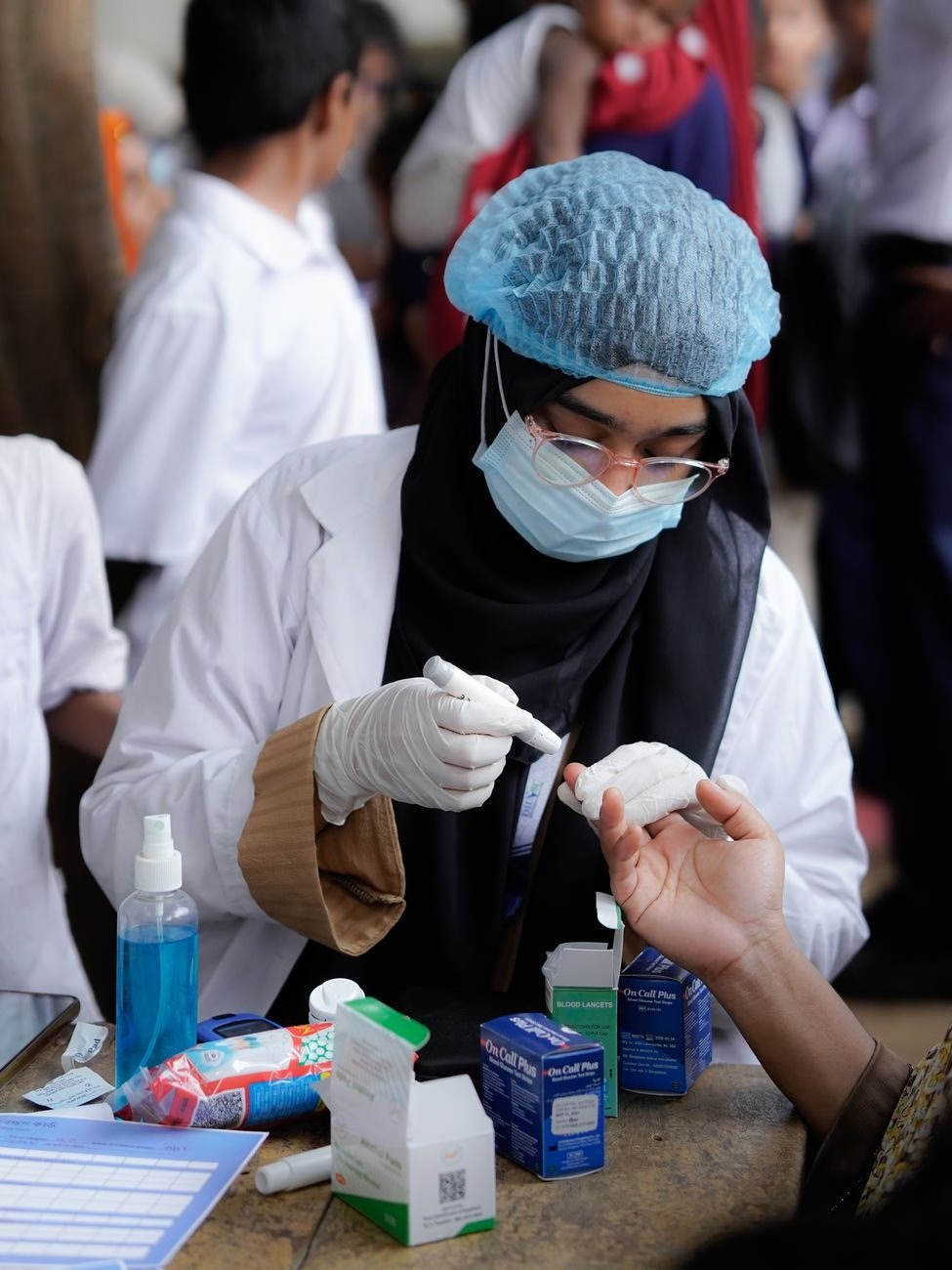
As populations age and lifestyles change, building a culture of prevention will become increasingly important. Healthcare systems will need to treat awareness and early detection as integral parts of diabetes care.
Sometimes the first step is a simple one: a conversation with a general practitioner, understanding one’s family history or undergoing an appropriate routine health assessment. Individually, these actions may appear small. At a population level, they can help create a meaningful shift from reactive treatment towards proactive health management.
Collaboration will be critical
No single stakeholder can address a challenge of this scale alone.
Governments set public health priorities and enable screening programmes. Healthcare professionals provide front-line care and patient education. Academic institutions generate evidence and prepare future healthcare leaders. Patient organisations and community groups help make health information relevant and accessible.
Industry also has a role that extends beyond developing and supplying medicines.
Biocon’s experience in Malaysia has reinforced the importance of this broader approach. Since entering the Malaysian market in 2016, Biocon has established a presence in Malaysia’s diabetes care landscape. Through our insulin operations and public-private partnership with the Malaysian government, Biocon has supplied more than 120 million insulin cartridges, supporting treatment for over 450,000 patients4.
But addressing the growing burden of diabetes requires looking beyond treatment alone. It also requires greater awareness of risk, stronger health literacy and earlier identification, so that people have the opportunity to act before the disease progresses or complications take hold.
This thinking has shaped our engagement in Malaysia. Alongside our role in providing insulin, we have sought to contribute to the wider diabetes ecosystem by supporting efforts that bring awareness, education and screening closer to communities. Working with healthcare professionals, policymakers, patient organisations, academic institutions and community groups has helped extend these efforts to different sections of society, including underserved communities.
Building capability for the future
As healthcare challenges grow more complex, a strong talent base across clinical care, nursing, pharmacy, research and public health, alongside skills relevant to the biotechnology sector, is important to supporting Malaysia’s healthcare ecosystem.
Closer collaboration between academia, healthcare institutions, government and industry can help bridge the gap between academic learning and real-world application.
This is the thinking behind initiatives such as the MyMahir BioTechies Biopharmaceutical Series, where Biocon Academy participates as a knowledge partner and participants receive science-based training complemented by industry exposure at Biocon.
The returns from investing in talent may not always be immediate. But building scientific knowledge, practical capability and industry readiness creates the foundations for a more resilient healthcare ecosystem and a stronger innovation base over time.
Prevention is a shared responsibility
Malaysia’s growing diabetes burden is a significant challenge. It is also an opportunity to rethink where and how we intervene.
Treatment will remain essential for millions of people living with diabetes. At the same time, greater awareness, stronger health literacy, appropriate screening and earlier intervention can help more people recognise risk before the disease progresses.

None of this can be achieved by one institution or one sector acting alone. It will require sustained collaboration across government, healthcare, academia, industry and communities.
Addressing diabetes requires a continued focus not only on effective treatment, but also on prevention and measures that can help reduce or delay the risk of developing the condition.
That is an ambition worth pursuing together, for a healthier and more resilient Malaysia.
References
- National Health and Morbidity Survey (NHMS) 2023
- International Diabetes Federation
- National Health and Morbidity Survey
- Press release: Biocon Reinforces Commitment to Diabetes Care in Malaysia as Partner Duopharma Biotech Secures Insulin Tenders
This article is contributed by Shreehas Tambe, CEO and Managing Director, Biocon