
Formula One has long since transcended the simple narrative of drivers and combustion engines. Today, the sport operates as a high-stakes, data-driven technology race, where telemetry is just as critical as aerodynamic efficiency. Over the course of a single grand prix weekend, each car is bristling with hundreds of sensors, generating terabytes of telemetry data. This information flows in real-time between the trackside pit wall and engineers stationed at the team’s headquarters, often across thousands of miles and multiple time zones. In an environment where decisions are measured in milliseconds and a single point of failure can end a championship run, robust cybersecurity isn’t just an IT requirement; it’s a fundamental performance advantage.
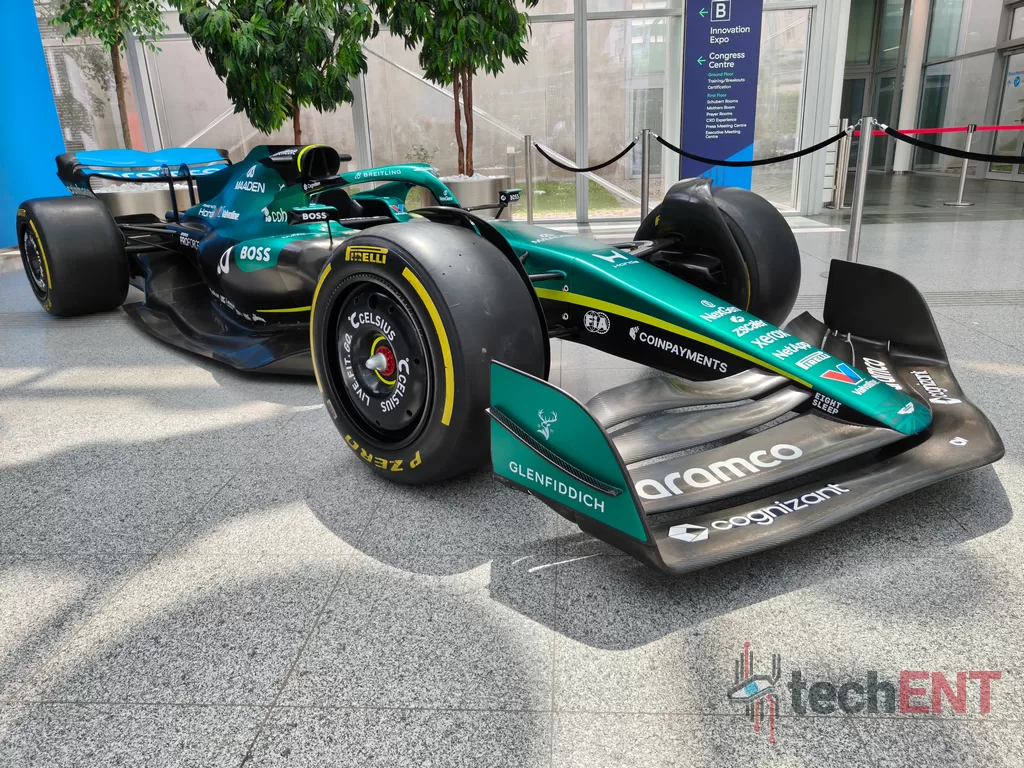
A Mobile Data Centre on the Track
The Aston Martin Aramco Formula One Team has officially partnered with Zscaler to address this complex threat landscape. As the team’s new Global Cybersecurity Partner, the racing organisation will leverage the Zscaler Zero Trust Exchange platform to shield its most critical assets. This encompasses everything from highly classified vehicle designs and race strategies to the constant, real-time data stream that powers car performance.
Modern racing teams function like a mobile, distributed enterprise, with vehicles acting as sophisticated data centres on wheels. Conventional security models, which rely on rigid perimeters protected by firewalls and traditional VPNs, are dangerously inadequate for this use case. They are inherently reactive and expose applications to unnecessary risk by permitting lateral movement once a single gateway is compromised. Zscaler’s zero-trust architecture flips this model, connecting users and critical applications directly while ensuring the network remains invisible to outside attackers. By removing the network from the equation and enforcing continuous verification, the team can defend its infrastructure without sacrificing the speed required for mission-critical racing decisions.
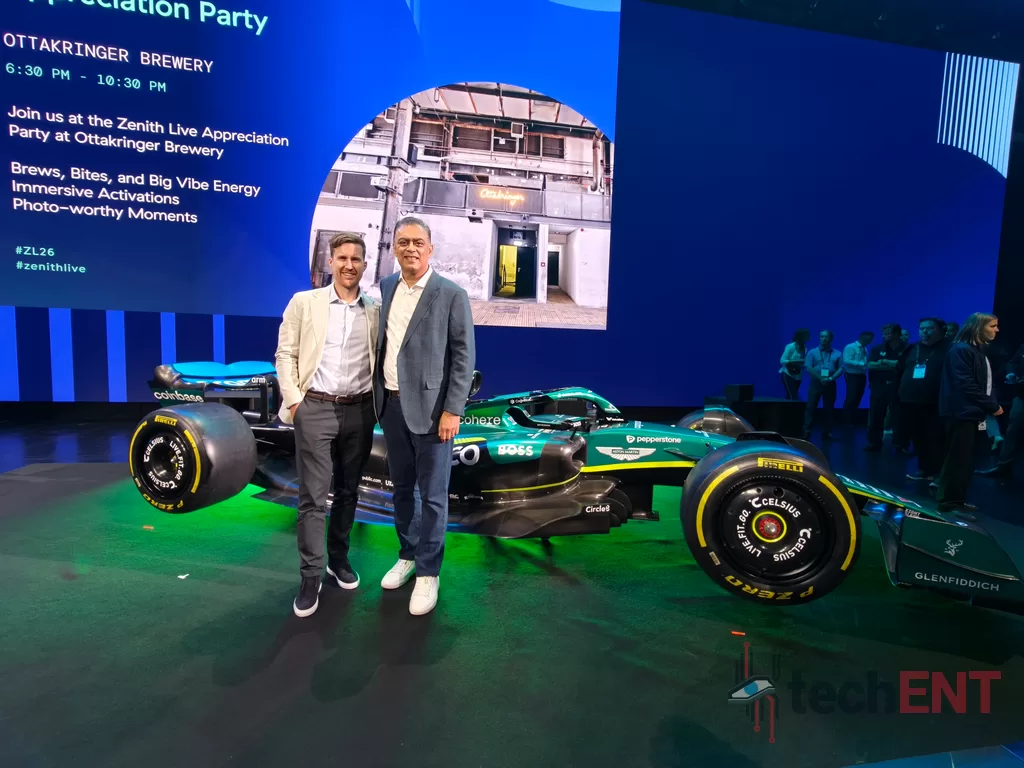
“Formula One is where the future of enterprise technology gets tested at 300km/h. Every car is a mobile data centre, every race is a global, distributed operation, and every millisecond counts. In an era where threats move at machine speed, defending against attackers requires advanced AI. That’s exactly the world Zscaler was built for. We’re proud to provide the Aston Martin Aramco Formula One Team with the AI-driven security, speed, and resilience that modern sport demands.”
– Sunil Frida, Chief Marketing Officer, Zscaler
Securing High-Speed Innovation
This partnership arrives at a landmark moment for the team. As Formula One enters a new era of technical regulation in 2026, the racing outfit is evolving into a full works operation. Integrating new Honda power units alongside specialised high-performance lubricants from Aramco and Valvoline requires an unprecedented level of engineering coordination. With Adrian Newey now spearheading the team’s technical trajectory as Managing Technical Partner, the pressure to innovate rapidly off the track is as intense as the performance requirements on it.
The move to integrate AI-driven security protocols is a logical next step. By protecting the data pipeline with zero-trust controls, the team ensures that their proprietary engineering data and race-day telemetry remain protected from sophisticated cyber actors. Real-time validation and automated risk modelling allow the team to move with confidence, knowing their intellectual property is shielded without adding latency or operational drag. It provides the team with a secure foundation to move faster, pivot quicker, and maintain their focus on what actually happens on the tarmac.
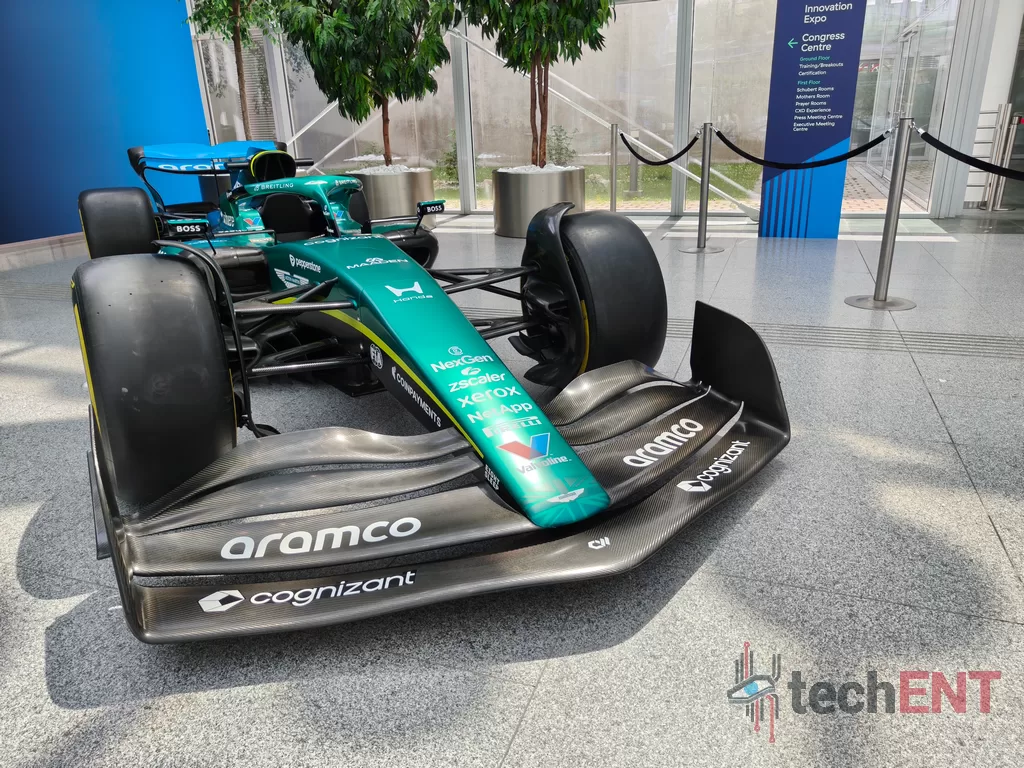
The Zscaler branding will make its high-profile debut on the nose, seatbelts, and wing mirrors of the AMR26 at the Austrian Grand Prix. It is a striking visual representation of how far enterprise technology has come, proving that when you are operating in the most demanding environments on the planet, the old way of building higher walls is officially obsolete. True competitive resilience today is built on a framework that is as dynamic, resilient, and agile as the cars themselves.