
E-hailing has fundamentally changed how we commute, offering on-demand transport with just a few taps on a screen. However, that heavy reliance on a visual interface has historically left the visually impaired community behind, often forcing them to rely on friends, family, or even strangers just to book a ride. Maxim E-Hailing Malaysia is actively working to dismantle this barrier. By redesigning how users interact with its platform, the company is proving that accessible mobility should be an industry standard rather than a hidden afterthought.

The core of Maxim’s accessibility push centres around deep, native software integration. The company has optimised its mobile application to function seamlessly with existing screen readers and TalkBack technologies. In practical terms, this completely changes the user experience. Instead of struggling to locate specific buttons on a flat glass screen, visually impaired users can rely entirely on spoken feedback and voice-assisted commands to navigate the app. This allows them to effortlessly input drop-off destinations, review vehicle details, and confidently confirm ride requests without requiring any visual input whatsoever. It is a highly practical application of assistive technology that directly translates to greater personal independence.
However, creating an accessible digital application is only half the equation; the service also needs to be economically inclusive. To address this, Maxim has rolled out a dedicated OKU-friendly tariff. This specialised pricing tier comes with a distinct fare structure designed specifically to support the community. To remove any friction from the onboarding process, Maxim has also clearly outlined the eligibility criteria and established straightforward registration steps, ensuring that users can easily access these inclusive pricing options for their daily commutes.
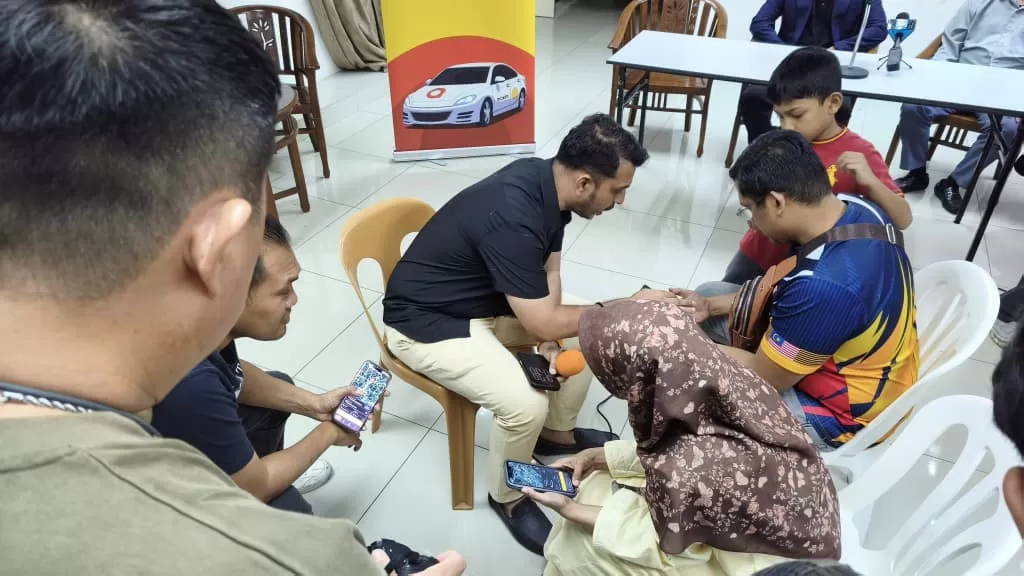
To ensure these features actually resonate with the people who need them most, Maxim is heavily leaning on its ongoing Memorandum of Understanding with the Society of the Blind in Malaysia. This strategic partnership guarantees that the platform’s digital evolution is guided by the actual, real-world needs of the visually impaired community, rather than just corporate assumptions.
As our daily routines become increasingly tied to digital platforms, Maxim’s targeted efforts demonstrate exactly how thoughtful software design and collaborative human support can work together. By integrating essential tools like voice talkback into the foundation of its service, Maxim is giving every user the genuine autonomy to travel through their cities with absolute confidence.