
If you want to know when the next big console is coming, don’t bother watching the flashy cinematic trailers or dissecting cryptic tweets from game directors. Instead, listen to the boring, dry conference calls where CEOs have to legally tell their investors where the money is coming from. That is exactly what happened during AMD’s Q4 2025 earnings call, where CEO Lisa Su cut through years of rumours with a single sentence: the next-generation Xbox is targeting a 2027 launch.
The “Slip” That Set the Clock
Usually, executive speak is designed to be as vague as possible. But when discussing the outlook for AMD’s semi-custom business—the division that builds the custom chips for Sony and Microsoft—Su was surprisingly specific. She reportedly told investors that the “development of Microsoft’s next-gen Xbox featuring an AMD semi-custom SoC is progressing well to support a launch in 2027.“
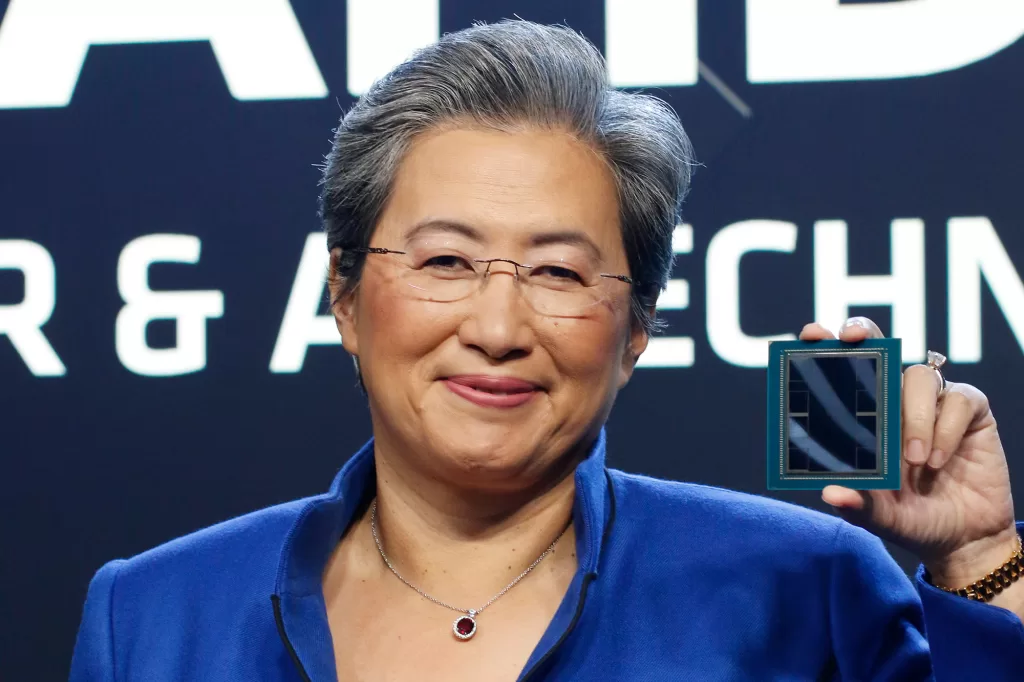
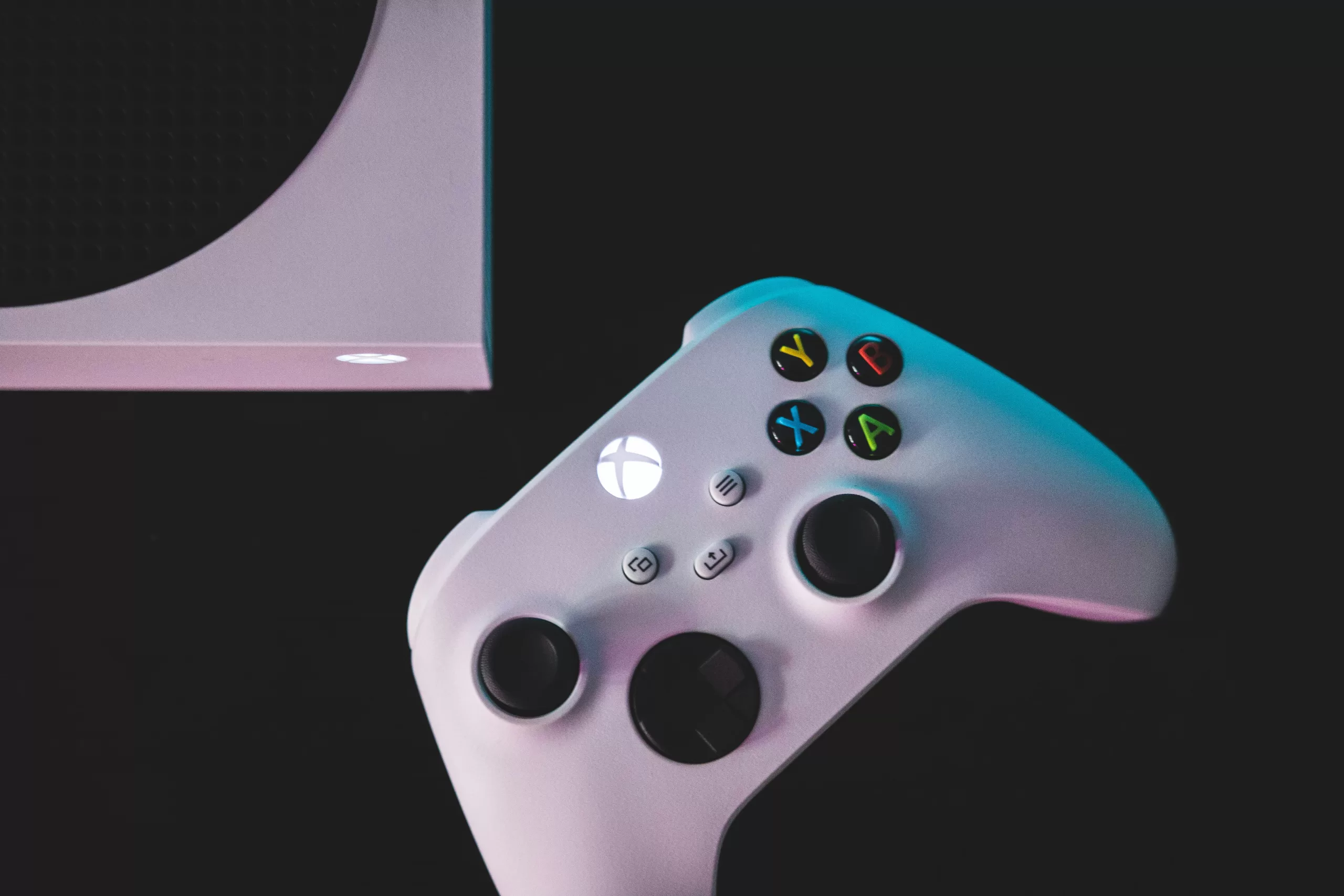
This effectively ends the speculation. There is no “maybe” or “soon.” By attaching a year to the project in a financial disclosure, AMD has signaled that the engineering timeline is locked in. For the industry, this is the first solid horizon line we have had for the end of the Series X/S era. Contextually, 2027 makes perfect sense. The Xbox Series X and Series S launched in November 2020. A 2027 release gives the current generation a lifespan of exactly seven years, mirroring the lifecycle of the Xbox One.
Hardware for the Next Decade
Su’s comments did more than just set a date; they confirmed the architecture. Despite persistent rumours that Microsoft might switch to NVIDIA or even develop its own ARM-based silicon, similar to Apple’s strategy. The confirmation of an “AMD semi-custom SoC” guarantees the partnership remains intact.
Based on AMD’s current roadmap, a 2027 console would likely be built on Zen 6 CPU cores paired with RDNA 5 graphics architecture. This represents a massive generational leap. We aren’t just talking about higher resolutions; we are looking at a chip designed for sophisticated ray tracing and potentially heavy machine-learning workloads. This aligns with earlier leaks suggesting Microsoft is aiming for a “hybrid” compute model, where the console handles immediate processing while cloud infrastructure assists with complex physics or lighting rendering.
An Identity Crisis in Need of a Reset
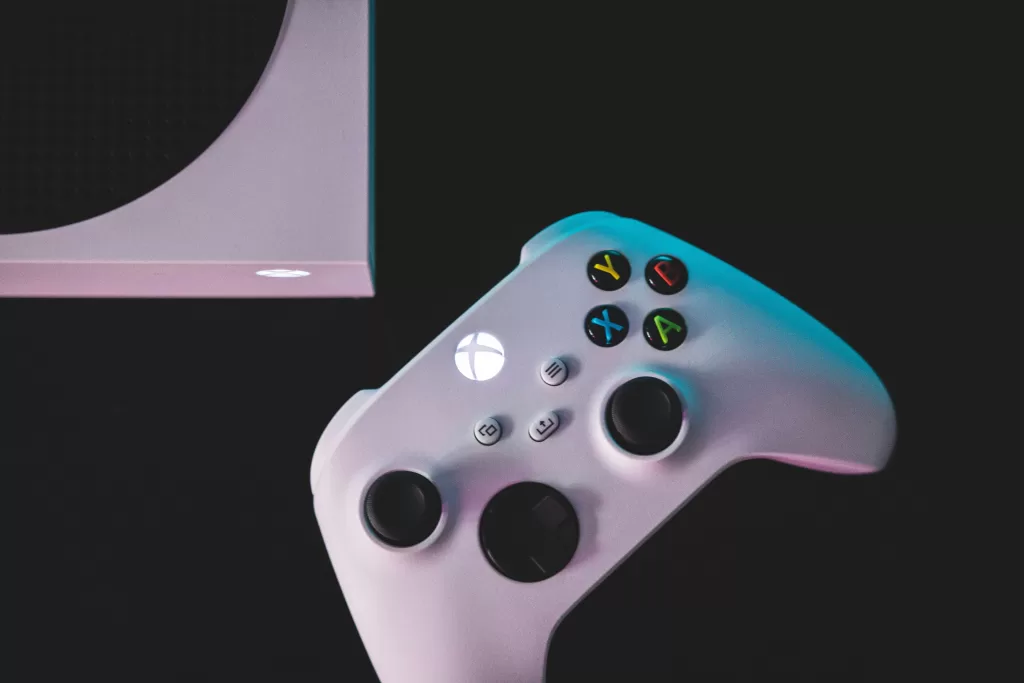
However, the biggest challenge facing the 2027 Xbox isn’t the silicon; it is the brand itself. To put it bluntly, Microsoft has spent the last five years muddying the waters of what it means to be an Xbox owner. The current generation has been defined by a confusing dual-SKU strategy. The Series S, while affordable, has frequently been cited by developers as a bottleneck that holds back the true potential of the flagship Series X. By mandating that all games run on both, Microsoft arguably capped the “next-gen” feeling before it ever really started.
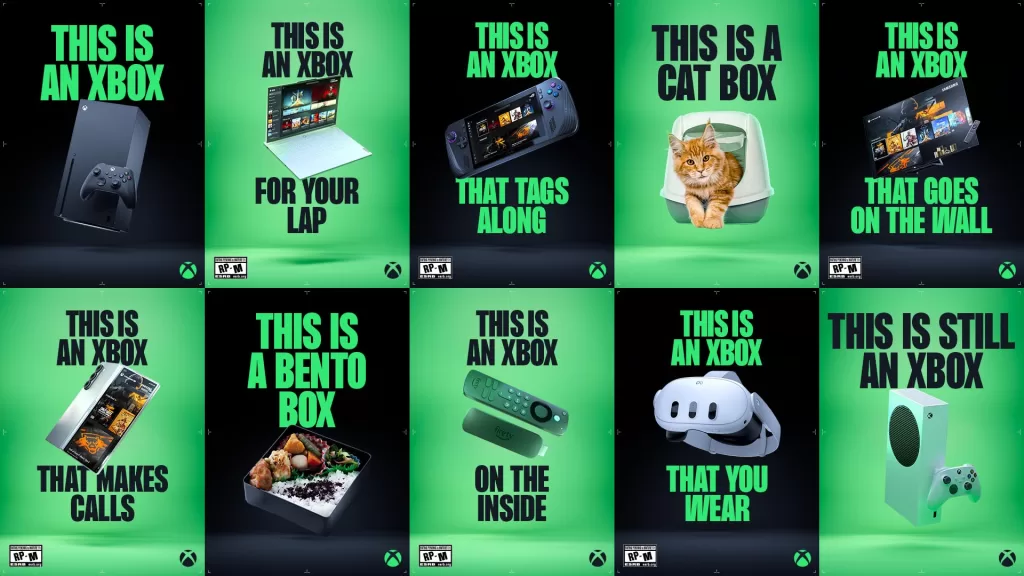
Furthermore, the messaging around “Xbox” has shifted from a plastic box under your TV to a ubiquitous service. With Game Pass available on PC, mobile, Fire TV sticks, and even rival cloud platforms, the incentive to buy dedicated Microsoft hardware has never been lower. Then came the multiplatform pivot. With first-party titles like Indiana Jones and Starfield eventually finding their way to PlayStation, the loyalists who bought an Xbox for exclusives have been left scratching their heads. If the games are everywhere, why buy the console?
The 2027 Opportunity to Set the Record Straight
The 2027 launch represents a chance to fix this messaging. With rumors of a dedicated Xbox handheld launching alongside the main console, Microsoft could finally offer a coherent hardware ecosystem—a high-power home unit and a native portable unit—that justifies its existence outside of just being a Game Pass delivery mechanism.
By 2027, the “Play Anywhere” philosophy needs to be backed by hardware that people actually want to play on. If AMD’s chips can deliver the “largest technical leap” that Xbox executives have promised, it might be enough to remind gamers why a dedicated box is still the best way to play. But for now, the clock is ticking, and Microsoft has two years to figure out exactly what the Xbox brand stands for before the next generation arrives.