

Microsoft’s hardware division is making some aggressive moves this year, and not all of them will sit well with your wallet. The company has essentially redefined the entry cost for its flagship computing devices, quietly rolling out significant price hikes across its current generation of Surface laptops and tablets. At the same time, rumors are heavily swirling about two highly anticipated, ultra-premium follow-ups, while the software side of the business is actively dialing back its most prominent artificial intelligence branding.
The $500 Price Hike
If you have been holding off on buying a new Snapdragon-powered Surface device, that hesitation is going to cost you. Microsoft recently updated its online store pricing, bumping up the cost of nearly every current Surface machine by hundreds of dollars. The base 13.8-inch Surface Laptop 7 and 13-inch Surface Pro 11, which launched in 2024 at a highly competitive $999, now start at a steep $1,499.
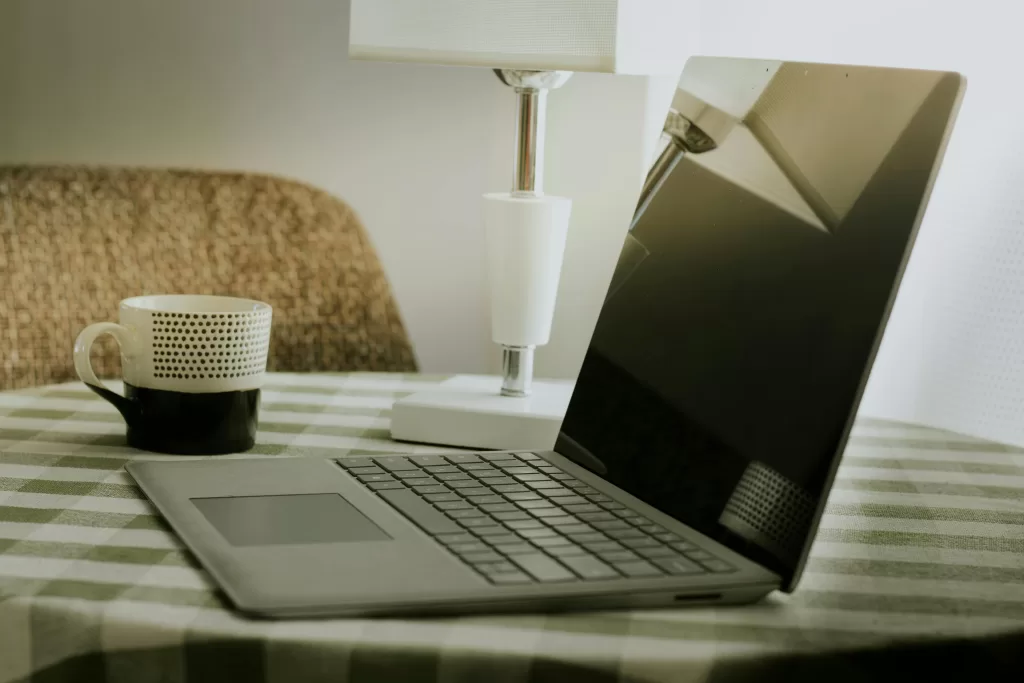
The company has blamed the sudden inflation on the ongoing global shortage of DRAM and rising solid-state drive component costs. However, by significantly raising the floor price, Microsoft has effectively surrendered the budget-friendly premium tier directly to Apple. The entry-level MacBook Air remains aggressively priced at $1,099 while the Macbook Neo sits even lower at $599, making the newly inflated Surface lineup a much tougher sell for everyday consumers simply looking for a reliable, everyday machine.
Ultra-Premium Ambitions
These steep price increases naturally set the stage for what Microsoft is building next. According to recent industry leaks, the company is actively developing two major hardware refreshes: the Surface Laptop 8 and the Surface Pro 12. These upcoming devices are being positioned firmly in the premium and ultra-premium categories, meaning affordable hardware is definitely not on the horizon.
The big news for the traditional clamshell Surface Laptop is the long-awaited inclusion of an OLED display, marking a first for that specific product line. We can expect a staggered release schedule, with Intel Core Ultra 3 variants launching in the spring, followed by new Snapdragon X2 iterations in the summer. Both machines will reportedly start with a highly capable baseline of 16 gigabytes of RAM, scaling all the way up to a massive 64 gigabytes and 2 terabytes of storage for serious power users.
Putting Copilot Back in the Closet
While the hardware division pushes further into the premium space, the software team is finally realizing that shoving artificial intelligence in your face is not always the best user experience. After spending the last year aggressively plastering Copilot buttons across every corner of Windows 11, Microsoft is taking a much-needed step back. The company has started a deliberate pruning pass to remove unnecessary AI branding from its native utility applications.
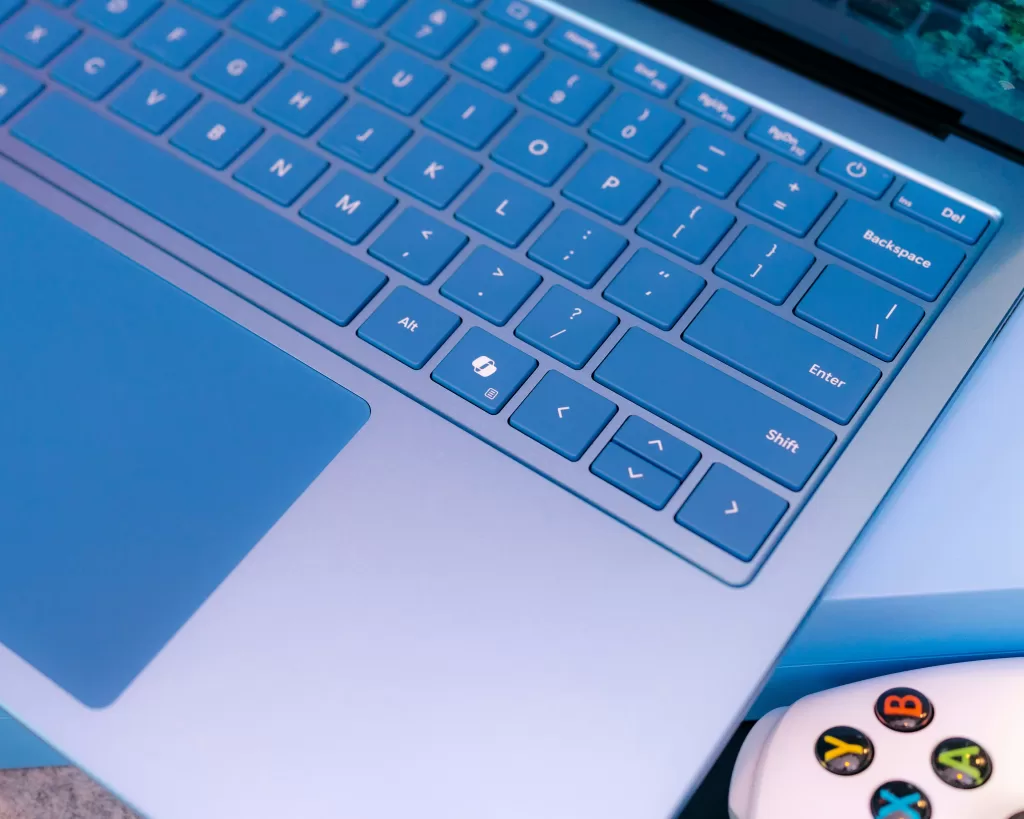
In everyday applications like Notepad, the highly visible Copilot menu is being quietly replaced with a simpler “writing tools” label accompanied by a basic pen icon. The toggle to completely disable these AI features is also being tucked further away into the advanced settings menu. Similar reductions have already been spotted in the Snipping Tool. This is not Microsoft abandoning artificial intelligence; rather, it is a clear admission of brand fatigue. The company is actively shifting from a polarizing, highly branded push toward a quieter, more functional integration that does not alienate users who simply want to edit a text file without being prompted by a digital assistant.