

The smartphone industry operates on a relentless clock. Every twelve months, almost to the day, major manufacturers parade their latest glass rectangles on stage, promising revolution while often delivering iteration. It is a cycle we have all come to accept, even as the improvements between generations become increasingly microscopic. However, Nothing, the London-based tech company known for its transparent designs, has decided to break the wheel. In a move that feels both risky and refreshing, CEO Carl Pei has confirmed that there will be no “Nothing Phone (4)” flagship released in 2026.
Breaking the Annual Upgrade Cycle
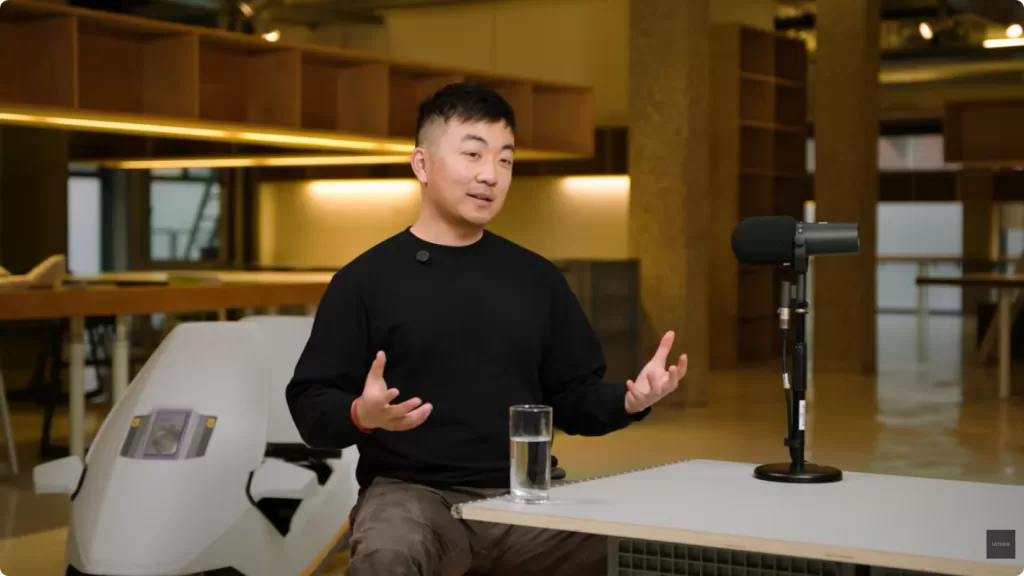
This announcement came via a community update video where Pei outlined the company’s roadmap for the year. Rather than following the industry standard of annual refreshes, Nothing is choosing to let its current flagship, the Phone (3), breathe. Pei’s reasoning is direct and frankly, something many tech enthusiasts have quietly thought for years. He stated that the company has no interest in “churning out a new flagship every year for the sake of it.” The philosophy is simple: a new flagship should only exist when there is a significant technological or experiential leap to justify it. Until then, the Phone (3), launched in mid-2025, will remain the brand’s top-tier offering for the duration of 2026.

“We’re not just going to churn out a new flagship every year for the sake of it, we want every upgrade to feel significant. Just because the rest of the industry does things a certain way, it doesn’t mean we will do the same.”
Carl Pei, CEO of Nothing
Elevating the Mid-Range with Phone (4a)
This doesn’t mean the company is taking a sabbatical. The focus for 2026 is shifting entirely to the mid-range with the confirmation of the Nothing Phone (4a). Historically, the “a” series has been Nothing’s bread and butter, offering their unique design language at a more accessible price point. For the Phone (4a), Pei promises a “complete evolution” over its predecessors. The goal is to blur the line between mid-range and flagship, with promised upgrades across the board—from display technology and camera performance to the physical build quality.
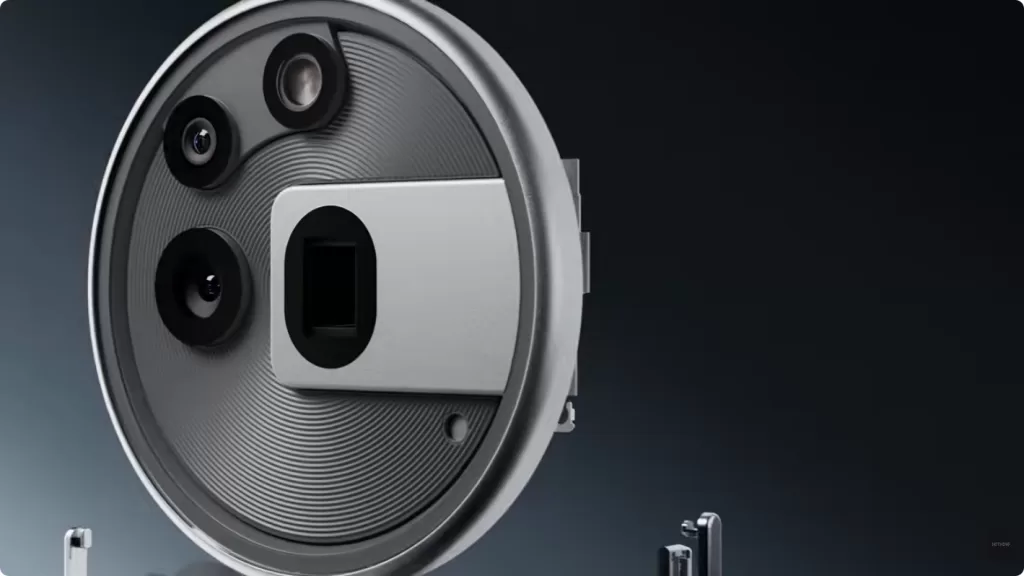
We can expect the Phone (4a) to feature premium materials and, in typical Nothing fashion, some bold experimentation with color and finish. While specific specs remain under wraps, leaks suggest a potential move to newer Snapdragon 7-series silicon and robust memory configurations, aligning with the promise of a “flagship-like” experience. This strategy effectively democratizes premium features, ensuring that the “best” experience isn’t locked behind the most expensive device.
The “AI Tax” and Rising Prices
However, there is a stinging reality check accompanying this news. Pei addressed a looming industry-wide challenge: the skyrocketing cost of components. Driven by the insatiable demand for AI capabilities, the price of RAM has increased dramatically—percentages that Pei notes he hasn’t seen in his 20 years in the industry. This “AI tax” means that maintaining current price points is becoming mathematically impossible for manufacturers. Consequently, Nothing confirmed that consumers should expect price increases across their smartphone portfolio this year. This is partly due to the market conditions and partly due to internal upgrades, such as the transition to faster UFS 3.1 storage standards to better handle system performance.
A Post-App Future with Nothing OS 4.0
Beyond hardware, Nothing is betting big on software to bridge the gap. The company is preparing to roll out Nothing OS 4.0, which will introduce “Essential Apps.” Currently in alpha testing for the Phone (3), this feature hints at an AI-native future where the operating system can generate mini-apps or widgets based on simple user prompts, effectively bypassing the traditional app store model for simple tasks. It is part of a broader vision to transition from a hardware company to one that offers a “post-app” operating system experience.
By skipping a flagship launch in 2026, Nothing is taking a gamble that brand loyalty and software innovation can sustain momentum without a shiny new hero device. It is a maturing moment for a company that claims to have moved from “zero to one” and is now looking to go from “one to ten.” For the consumer, it is a welcome pause in the upgrade rat race, validating the purchase of a Phone (3) while setting the stage for a potentially game-changing Phone (4a).