
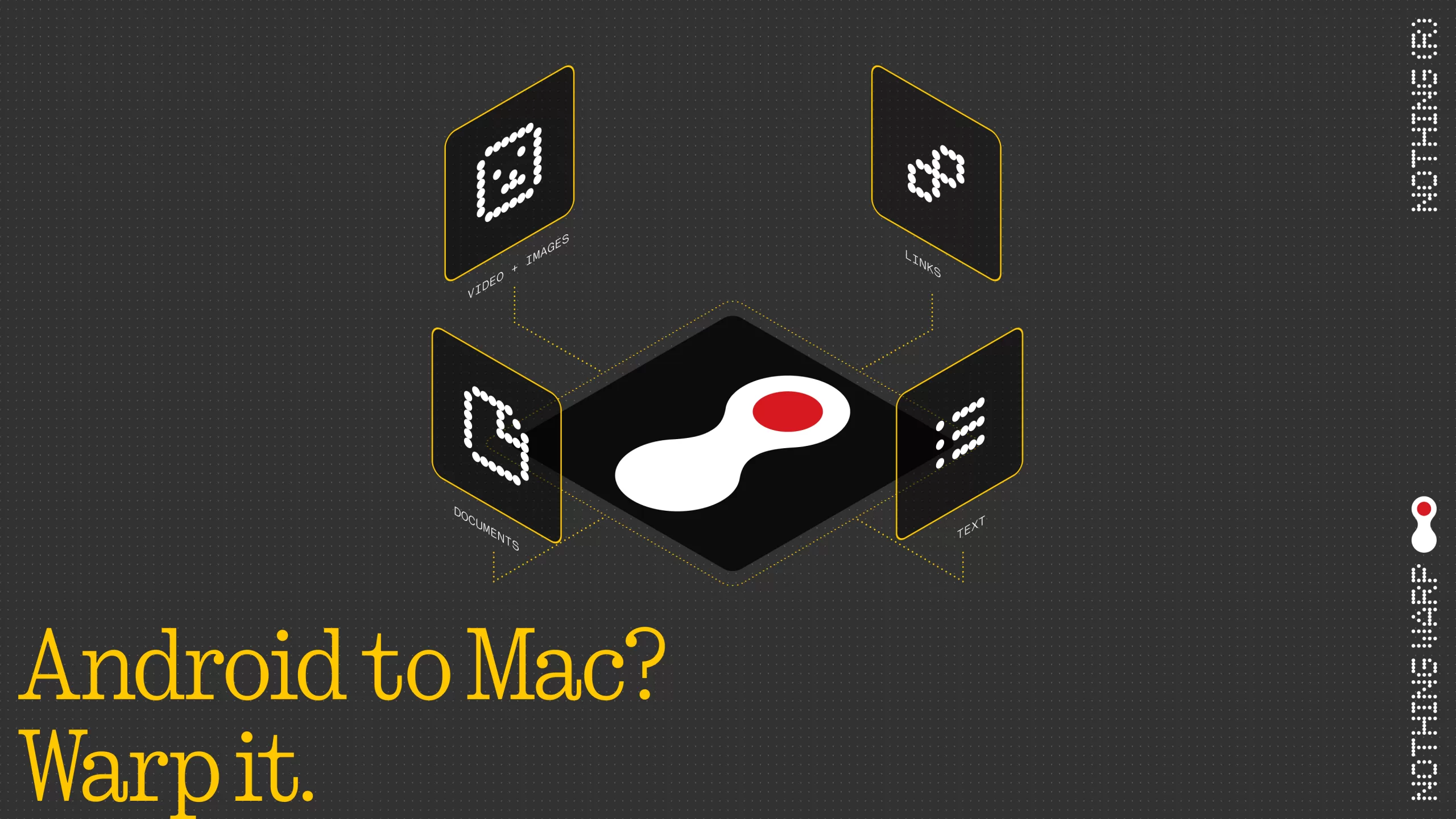
Transferring a simple file from an Android smartphone to a Mac or Windows PC in 2026 should not feel like a chore, yet cross-platform sharing remains unnecessarily clunky. While Apple users enjoy the seamless magic of AirDrop and Google continues to push Quick Share, hardware startup Nothing recently decided to throw its own solution into the mix. Dubbed “Warp,” the service was pitched as a highly accessible file-sharing stopgap designed to bridge the gap between Android devices and desktop computers. However, the true story here is not about the technology itself, but rather its bizarrely short lifespan.
At a technical level, Nothing Warp was not a true peer-to-peer sharing tool like AirDrop. Instead of utilising localised Wi-Fi or Bluetooth protocols, the service essentially functioned as a streamlined middleman for your personal Google Drive account. Users needed to download an application on their Android smartphone and pair it with a dedicated extension for Chromium-based browsers like Chrome or Edge.
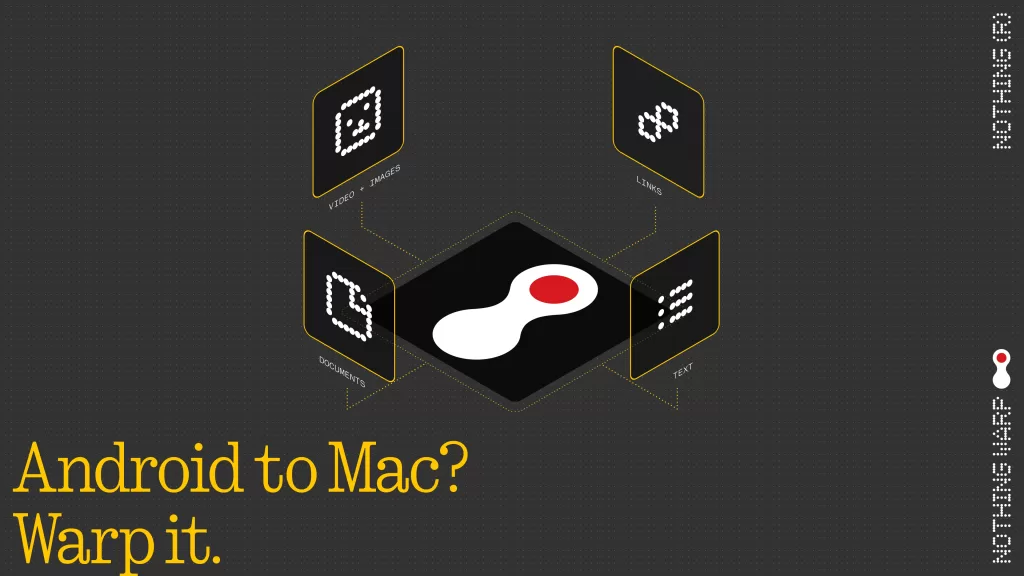
The process was seemingly straightforward. From your phone, you would use the standard Android share sheet to send a file to the Warp app. On the desktop side, the browser extension allowed you to upload files via a dedicated button, a right-click menu option, or simply by pasting content directly into the extension. Behind the scenes, Warp would silently upload the file to your Google Drive, make it available for the receiving device to download, and then automatically delete the file to prevent unnecessary digital clutter.
While practical on paper, this architecture came with significant real-world drawbacks. Because it relied entirely on cloud storage rather than a direct local connection, file transfer speeds were completely dependent on your internet connection. Sending a massive video file over a weak mobile data network would take an agonisingly long time. Furthermore, transfers were strictly limited by whatever storage space you had left in your Google Drive. The most glaring issue for many users, however, was the privacy implications. Operating the service required granting the app broad permissions to see, edit, create, and delete files within your personal Google account.
Perhaps due to these inherent limitations or sudden backend complications, the service was pulled almost immediately. Just hours after Nothing officially announced Warp early in the morning, the entire project vanished without a trace. By the afternoon, the official announcement blog post had been scrubbed from the internet. The Chrome extension was completely pulled from the web store, and the Android application disappeared from the Google Play Store for anyone who had not already downloaded it.
As of right now, Nothing has not provided any official explanation regarding why the service was abruptly terminated. Ultimately, Warp will be remembered as a curious, incredibly brief experiment—a cloud-based workaround to a localised problem that did not even manage to survive its own launch day.