

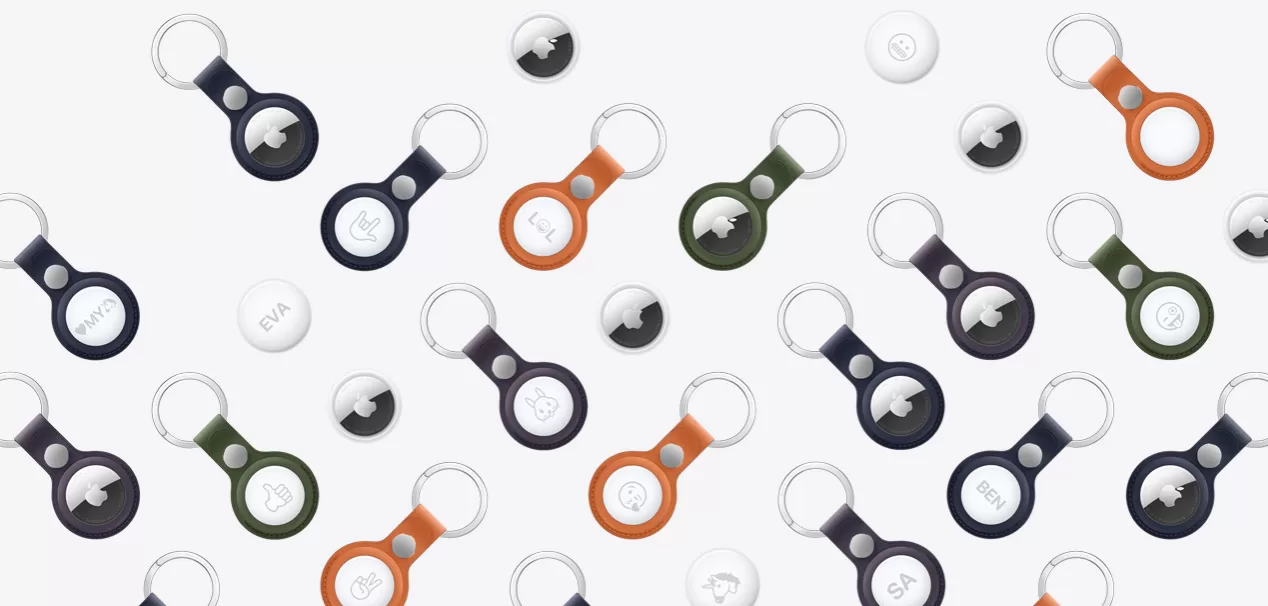
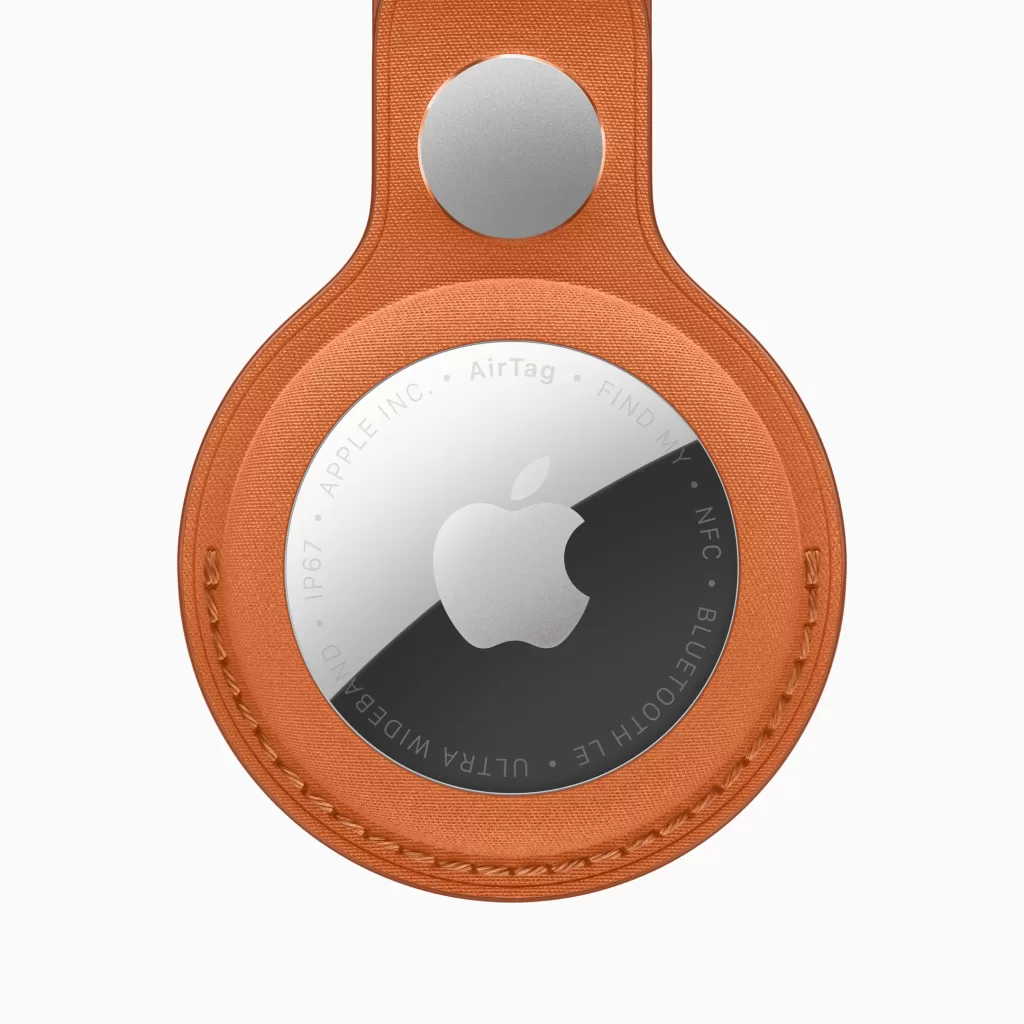
Five years is a lifetime in consumer electronics, yet that is exactly how long Apple waited before updating its coin-sized tracker. If you were hoping for a radical redesign or a credit-card-shaped variant for your wallet, you might be initially disappointed. The new AirTag looks virtually identical to the original white puck that launched in 2021. However, as is often the case with Apple’s accessories, the real changes are invisible, buried deep within the silicon and acoustics of the device.
The most significant upgrade is the inclusion of Apple’s second-generation Ultra Wideband (UWB) chip. This is the same silicon found in the latest iPhone 17 lineup and the Apple Watch Ultra 3. While the original AirTag was excellent at finding keys in the same room, it often struggled when the item was buried deep in a backpack or located in a different room entirely. This new chip addresses that limitation directly, extending the range of Precision Finding by up to 50%. In practical terms, this means your iPhone will lock onto the signal and show you that familiar directional arrow from much farther away, reducing the amount of aimless wandering you have to do before the digital trail picks up.
This improved findability isn’t just about radio waves; it is also about volume. One of the biggest complaints with the first-generation model was that its chirp could easily be muffled by a thick sofa cushion or a leather bag. Apple has redesigned the internal acoustics to make the new AirTag 50% louder. The company claims this allows the sound to be heard from up to twice the distance compared to the previous model. For anyone who has frantically tried to listen for a faint beep while rushing out the door, this volume boost is a genuine quality-of-life improvement.
Perhaps the most useful addition for existing ecosystem users is the new Apple Watch integration. For the first time, Precision Finding works directly on your wrist. If you own an Apple Watch Series 9, Ultra 2, or newer, you no longer need to pull out your phone to track down a nearby item. The watch will provide the same haptic and visual feedback, guiding you to your keys with a series of taps and on-screen arrows. It feels like a natural evolution for a wearable device, keeping your hands free while you search.
On the software side, the launch coincides with the rollout of Share Item Location, a feature designed specifically for travel. This allows users to generate a secure link to their AirTag’s location and share it with third parties, such as airline staff. If your luggage ends up in the wrong city, you can now provide the airline with real-time location data rather than just describing your bag. The data sharing is temporary and automatically disabled once the item is recovered, maintaining the privacy standards Apple heavily markets.
Pricing & Availability
The new Apple AirTag is available for order immediately, with in-store availability expected later this week. Despite the internal upgrades, the pricing remains consistent with the previous generation.
A single AirTag is priced at RM129, while the four-pack offers better value at RM429. Since the physical dimensions remain unchanged, all existing key rings, loops, and mounts from the first generation are fully compatible with the new model. The device requires an iPhone running iOS 26 or later for full functionality.