

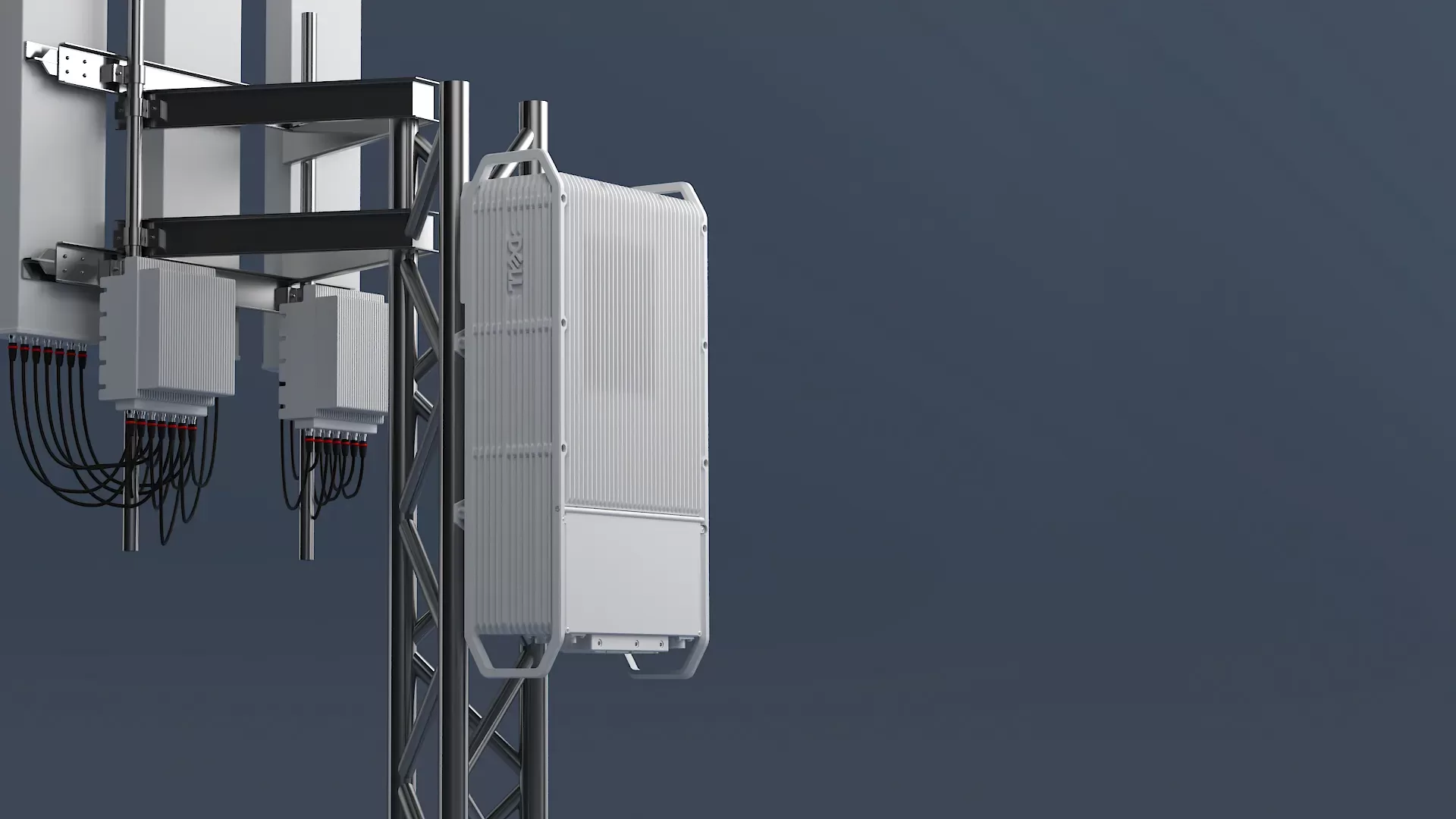
Telecommunications operators and enterprise organisations constantly face a physical wall when trying to expand their networks and bring computing power closer to the end user. Finding the necessary power and physical space to securely deploy computing hardware in crowded, dense urban areas or highly remote locations is a massive logistical challenge. To directly address this friction, Dell Technologies has officially introduced the Dell PowerEdge XR9700. Operating as the industry’s very first outdoor x86 server designed specifically for cloud radio access networks and edge applications, this new hardware is built to survive and thrive where traditional data centres simply cannot exist.
Built for the Harshest Environments
Standard enterprise servers require highly controlled, air-conditioned rooms to function properly. The PowerEdge XR9700 completely discards that requirement by featuring a fully enclosed, ruggedised chassis engineered specifically to withstand the elements in unprotected outdoor environments. It is explicitly engineered for zero-footprint deployments, meaning the hardware can be mounted directly onto utility poles, the sides of commercial buildings, and exposed rooftops without requiring a dedicated shelter.
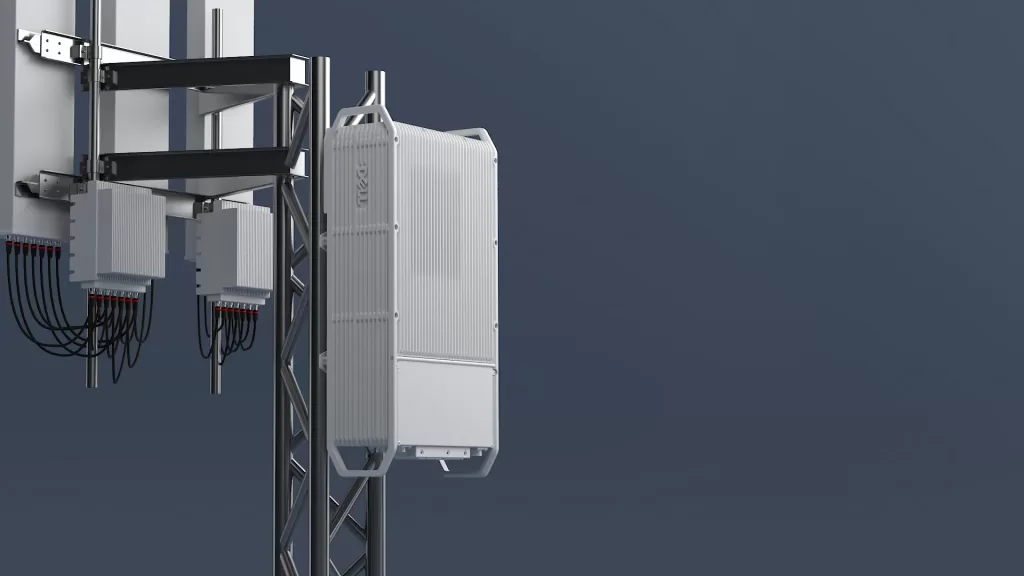
To survive out in the open, the server utilises a specialised IP66-rated enclosure that effectively seals the sensitive internal components away from dust, moisture, and extreme weather. Furthermore, it carries a strict GR-3108 Class 4 certification to ensure reliable operation. To prevent the system from overheating under direct solar radiation, Dell has implemented a sophisticated closed-loop liquid cooling architecture. This advanced thermal management allows the ultra-compact, fifteen-litre server to maintain consistent, quiet performance in blistering heat up to forty-six degrees Celsius and freezing temperatures plunging to negative forty degrees Celsius. This zero-footprint design brings crucial workloads to locations where only traditional radio solutions could previously operate.
Delivering Cloud RAN and Edge AI Capabilities
Despite its incredibly small physical footprint, the system does not compromise on processing capabilities. At the core of the PowerEdge XR9700 is the powerful Intel Xeon 6 system-on-a-chip. This processor is heavily optimised for modern network demands, featuring integrated Intel vRAN Boost and Intel AMX technologies. For telecommunications operators, this translates into enough raw processing power and fronthaul connectivity to comfortably support up to fifteen 5G sectors from a single server unit. It provides a highly flexible, software-defined alternative to traditional setups, readily supporting Open RAN and Cloud RAN processing directly at the cell site.
Beyond just expanding cellular networks, this flexibility empowers organisations to run demanding edge computing and artificial intelligence applications directly at the source where the data is being created and consumed, drastically reducing system latency. Because managing hardware mounted high up on a utility pole is inherently difficult, the XR9700 seamlessly integrates with Dell’s existing software stack. It utilises the Integrated Dell Remote Access Controller, commonly known as iDRAC, which provides network administrators with deep remote visibility and enables zero-touch provisioning. This allows the servers to be deployed, configured, and managed without requiring a technician to physically plug a monitor and keyboard into the machine.
Pricing & Availability
For enterprises and network operators planning to upgrade their telecommunications infrastructure, the Dell PowerEdge XR9700 is officially scheduled to become globally available in the second half of the calendar year 2026.
Because this is highly specialised, enterprise-grade telecommunications hardware designed for corporate and industrial deployments, Dell Technologies has not publicly announced official retail pricing, pre-order specials, or consumer colourways in its initial press release. Organisations looking to integrate these ruggedised servers into their networks will need to engage directly with Dell’s enterprise sales divisions closer to the launch window to receive accurate pricing models tailored to their specific deployment scale and customised software requirements.