

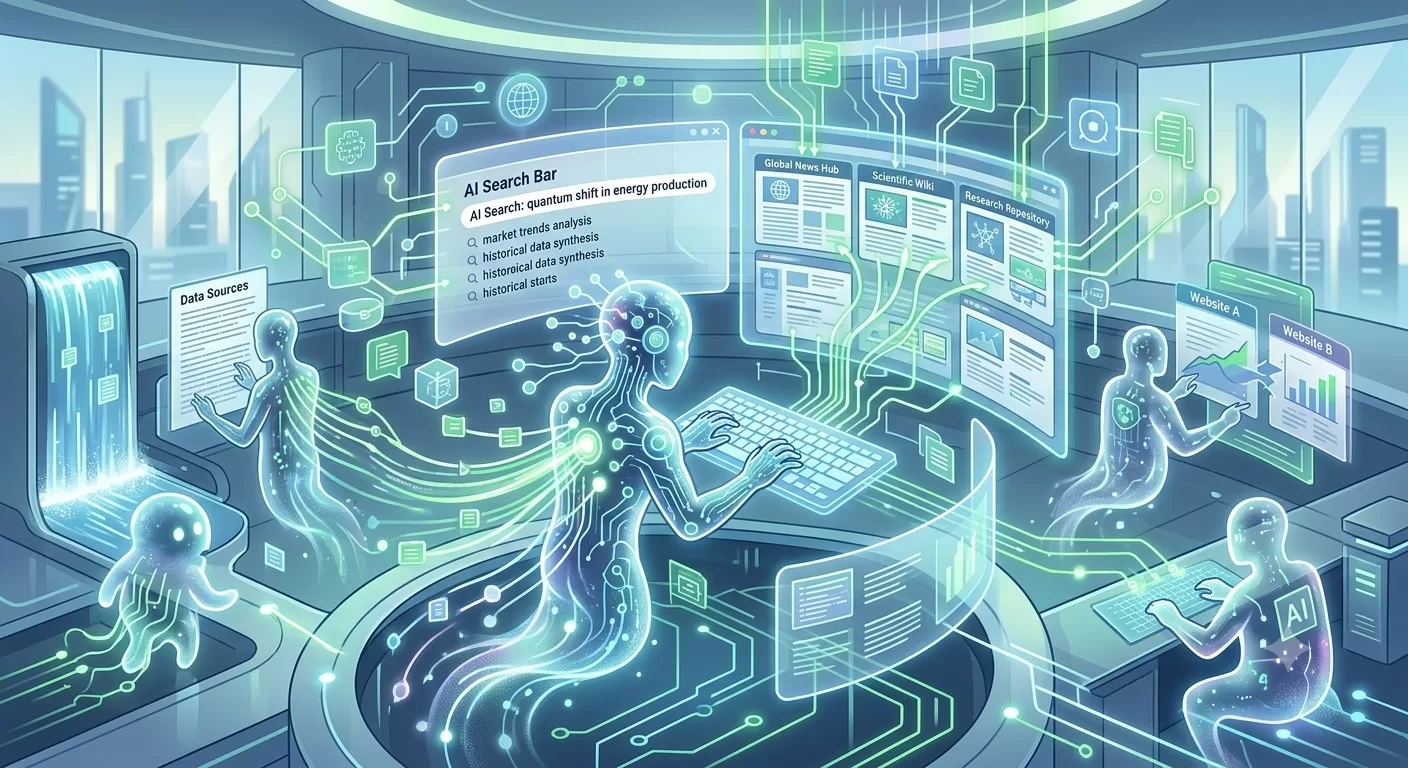
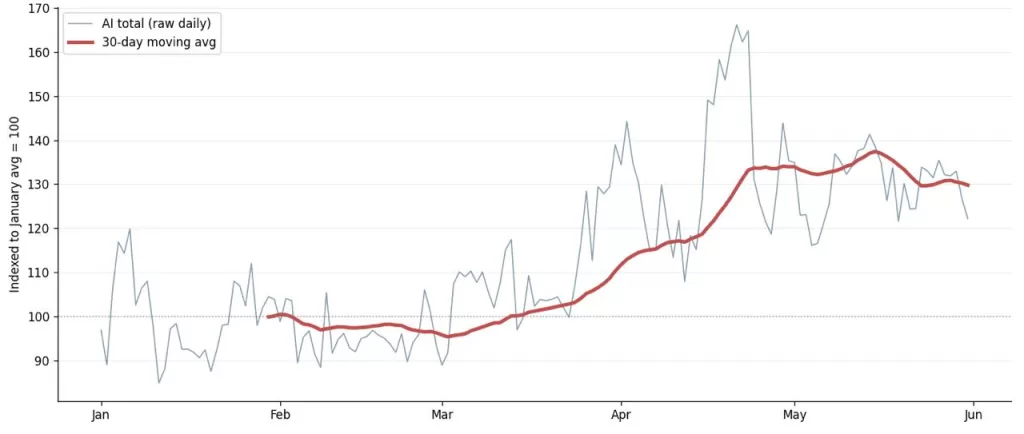
The internet we have known for the past three decades was built entirely for us. It was designed for human eyes reading text, human fingers clicking links, and human wallets making purchases. But behind the screens, the very fabric of the web is shifting beneath our feet. According to new research from global edge cloud platform Fastly, we are rapidly approaching an era where machines, not people, are the primary drivers of internet traffic. Between January and May of 2026, AI-generated traffic grew roughly 6.5 times faster than human activity. This is not just a passing tech trend; it is a fundamental restructuring of the digital world. For local businesses, treating this automated surge as a simple security nuisance is no longer viable. The new internet requires a massive strategic pivot to separate the helpful digital assistants from the resource-draining data vacuums.
The Data Harvesters: Managing the Weight of AI Crawlers
To understand this new landscape, we have to look at the different types of automated visitors knocking on your website’s door. The first major group consists of AI crawlers. You can think of these as massive, relentless digital harvesters sent out by major artificial intelligence labs. Their sole purpose is to read, digest, and index the public web to train the next generation of large language models.
While they sound relatively harmless, they place an incredible, heavy burden on digital infrastructure. Fastly’s data paints a very clear picture of this strain. When a human visits a website, they usually load a saved, lightweight version of the page from a local edge server. AI crawlers, however, completely bypass this digital front desk. More than half of all AI requests demand direct access to a company’s foundational origin servers, compared to less than 9%for human visitors. This aggressive behaviour—highlighted by a staggering 555% traffic spike from Claude-related crawlers earlier this year—forces backend databases to work overtime. Left unchecked, this can severely drive up hosting costs and slow down the website for actual paying customers.
The Digital Concierges: Embracing AI Fetchers
On the other end of the spectrum, we have AI fetchers and autonomous agents. If crawlers are the harvesters, fetchers are the digital concierges. These are active, user-initiated bots sent out to perform specific tasks. When a consumer asks their AI assistant to compare flight prices, summarise a news article, or buy a specific pair of shoes, it is the fetcher that goes out to the web to retrieve that real-time information.
This creates a fascinating dilemma for businesses. Historically, IT departments used a blanket approach to block all unrecognised bot traffic to keep servers secure. Today, blocking an AI fetcher might mean blocking a legitimate sale. Fastly observed this exact scenario playing out globally: one major enterprise chose to build a digital wall against all AI fetcher traffic to protect its copyrighted content, while another left the gates wide open, resulting in months of increased visibility on AI-powered platforms. Managing this traffic is no longer just an IT problem; it is a critical marketing and customer acquisition strategy that requires a delicate touch.
Navigating the Machine Web at the Edge
We are officially moving past the days of using blunt force firewalls to manage web traffic. Surviving and thriving in an internet dominated by artificial intelligence requires a precise, platform-based edge architecture. Businesses need total visibility to know exactly which AI systems are visiting, the context to understand if that visitor brings value or just server strain, and the surgical precision to accelerate the good bots while stopping the bad ones in their tracks.