
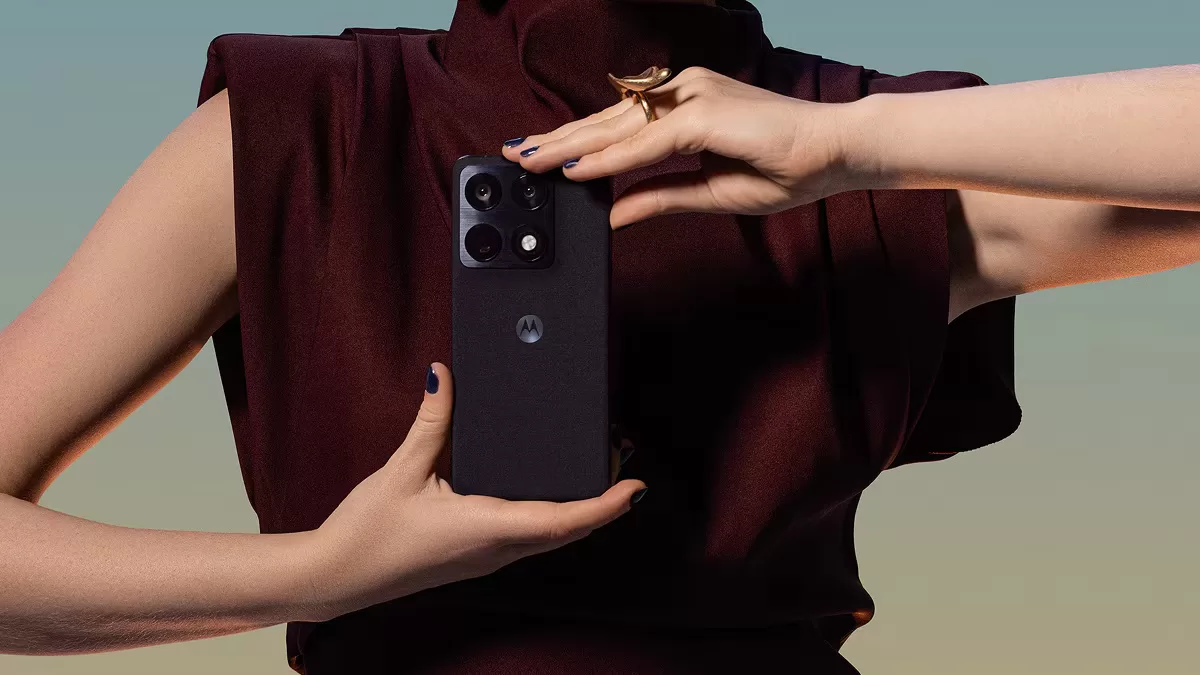
Motorola has spent the last few years quietly rebuilding its reputation, delivering solid foldables and reliable mid-rangers. However, at CES 2026, the company decided it was done being quiet. With the launch of the Motorola Signature, the brand isn’t just releasing another flagship; it is attempting to carve out a new tier of “ultra-premium” devices that prioritize refinement over raw industrial maximalism. This phone is designed for the user who wants the power of a gaming rig but the aesthetics of a tailored suit.
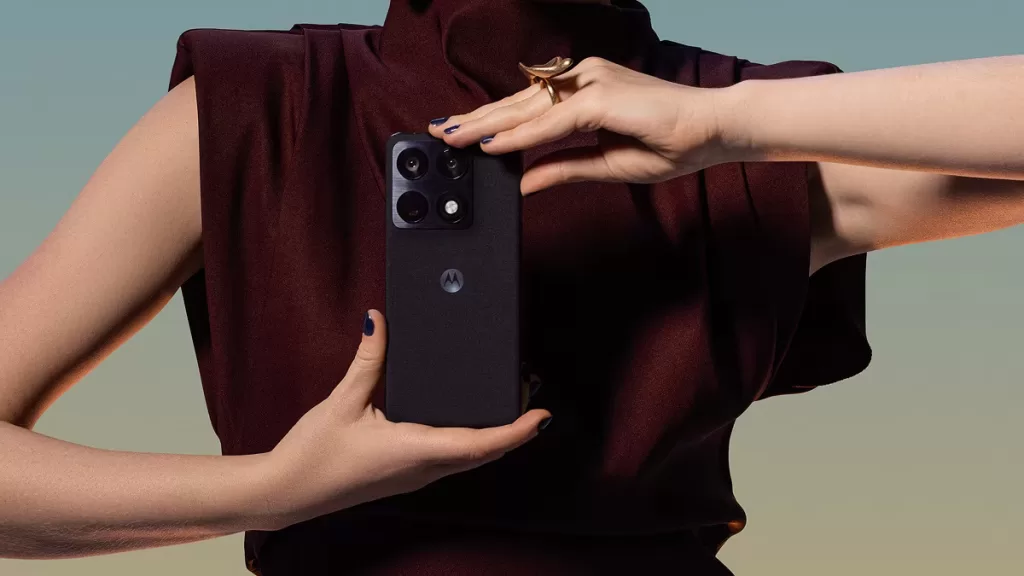
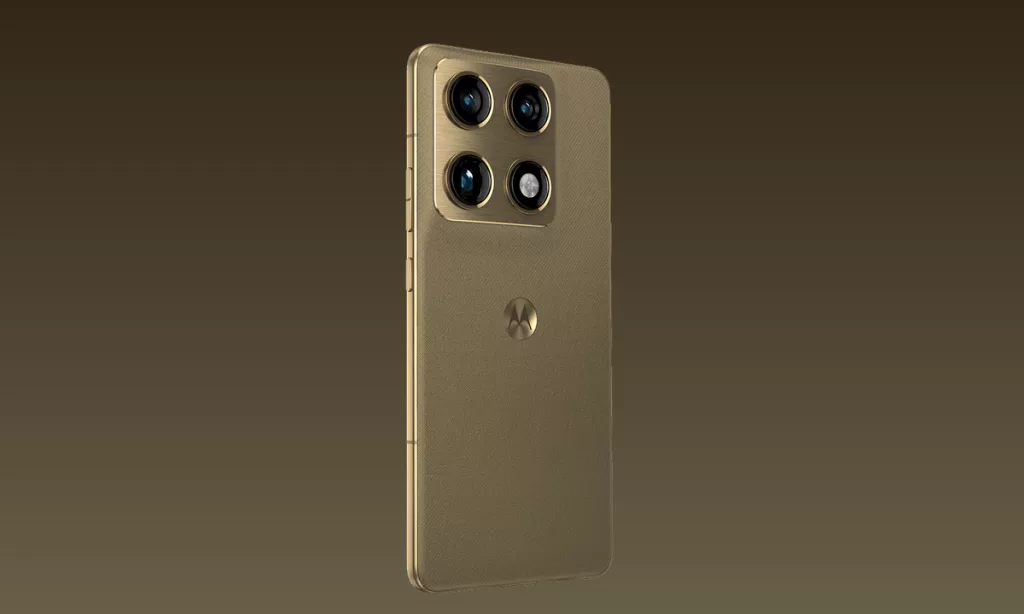
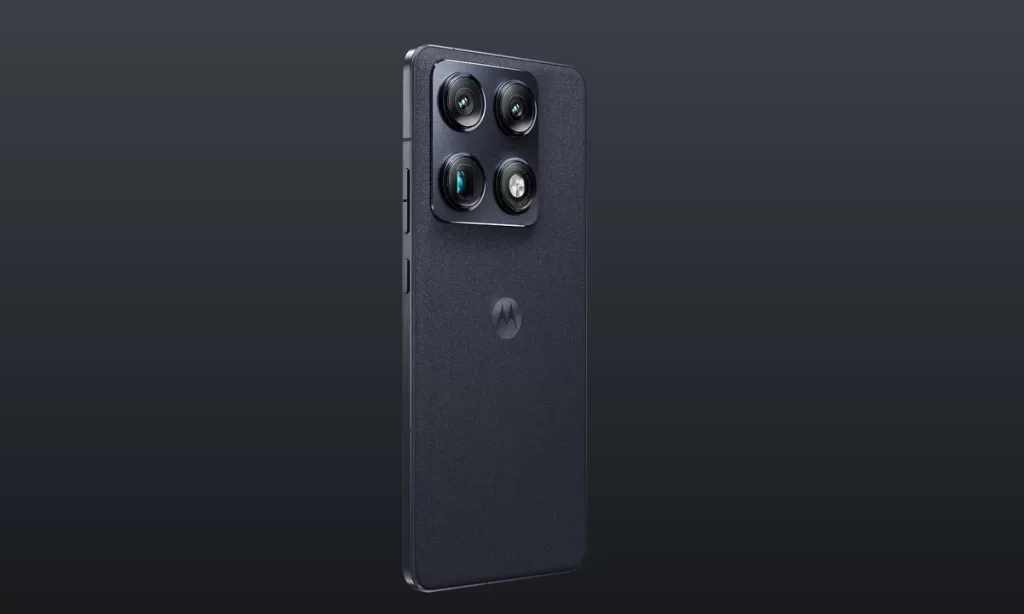
The first thing you notice is the silhouette. At just 6.99mm thick, the Signature is absurdly thin by modern standards. Motorola achieved this without making the device feel fragile by utilising an aircraft-grade aluminium frame and protecting the front with Gorilla Glass Victus 2. The back panel eschews the usual slippery glass for textured finishes—Martini Olive features a twill-inspired touch, while the Carbon variant mimics linen. This isn’t just about looks; it provides actual grip, a practical necessity that most manufacturers ignore. Despite the slim profile, durability is a headline feature here. The device carries both IP68 and IP69 ratings, meaning it can withstand not just submersion but high-pressure water jets. You could theoretically drop it in the mud and hose it off without consequence.
On the front, you are looking at a 6.8-inch Extreme AMOLED display. It pushes a 1.5K resolution and supports a refresh rate of up to 165Hz, ensuring that scrolling and animations are visibly smoother than the standard 120Hz found on most competitors. The peak brightness hits a staggering 6,200 nits. While you won’t see that figure indoors, it guarantees that the screen remains perfectly legible under the harshest Malaysian afternoon sun.
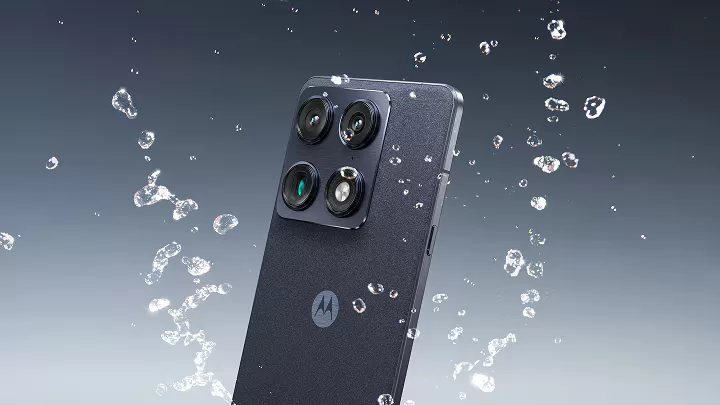
Under the hood, the Signature is powered by the Qualcomm Snapdragon 8 Gen 5. This 3nm chip is overkill for checking emails, but it ensures that the phone will handle heavy multitasking and high-fidelity gaming for years to come. To keep the lights on, Motorola has employed a 5,200mAh silicon-carbon battery. This newer battery chemistry is the secret sauce behind the phone’s thinness, allowing for higher energy density in a smaller physical footprint. When you do run low, 90W wired charging gets you back up to speed rapidly, and 50W wireless charging offers a convenient cable-free option.
The camera system is where Motorola is making its loudest argument. The Motorola Signature features a Quad 50MP setup, meaning every camera on the device, front and back, uses a high-resolution 50MP sensor. The main shooter utilises Sony’s LYTIA 828 sensor with a wide f/1.6 aperture for superior low-light performance. It is flanked by a 50MP ultrawide lens that doubles for macro shots, and a 50MP periscope telephoto lens offering 3x optical zoom. This consistency across lenses means you don’t lose detail just because you zoomed in or switched to wide-angle. Even the selfie camera is a 50MP unit capable of recording 4K video, catering to the content creator crowd who need broadcast quality from the front lens.
Perhaps the most significant commitment is on the software side. The Signature launches with Android 16 and a promise of seven years of OS upgrades and security updates. This matches the best support policies in the industry, ensuring the hardware won’t be let down by obsolete software in 2030.
Pricing & Availability
The Motorola Signature is rolling out in select global markets now, with availability in Europe and India confirmed. In India, the device starts at INR 59,999 (approx. RM3,360) for the base model, while the European pricing is set at €999 (approx. RM4,600).