


We often think of artificial intelligence as a tool for productivity and innovation, but it is also giving cyber attackers new ways to move faster and strike harder. Add the impending arrival of quantum computing, which threatens to eventually weaken the encryption technologies we currently rely on, and the corporate security landscape starts looking incredibly vulnerable. Dell Technologies has introduced a sweeping array of new security-by-design and cyber resilience capabilities designed to protect everything from the individual PC to massive AI data platforms.
Hardening the Hardware Foundation
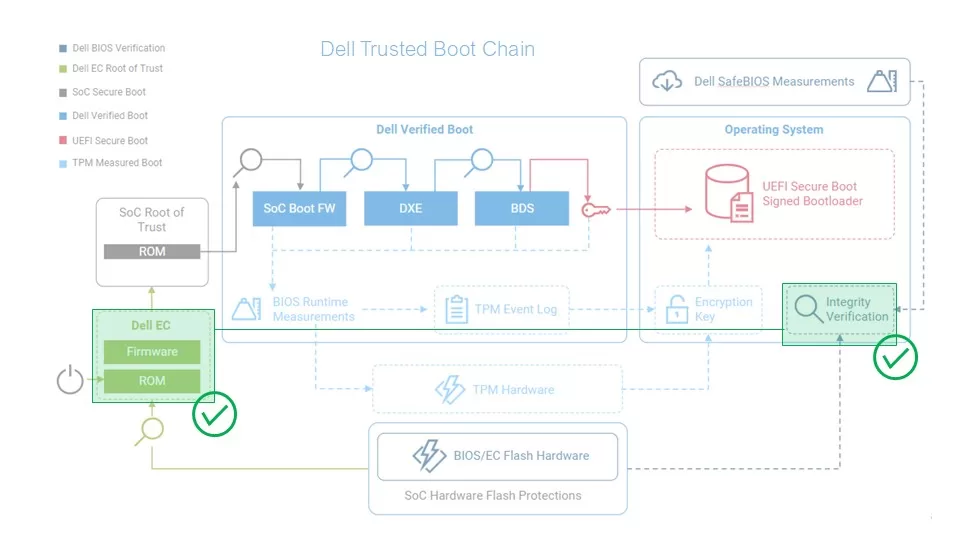
The foundation of Dell’s new strategy starts at the hardware level, specifically preparing for a post-quantum world. Quantum computing poses a unique threat because it can potentially bypass traditional security tools and hide deep within a system even after a full system wipe or restart. To combat this, Dell is hardening the embedded controller inside its commercial PCs. This core hardware security component will now verify firmware updates using advanced signatures designed specifically to resist future quantum-enabled attacks. By validating updates with stronger encryption, it actively prevents the system from accepting tampered or malicious firmware.
Dell is also rolling out an enhanced BIOS Verification system aligned with post-quantum standards. This system continuously checks the PC’s BIOS against a secure, cloud-stored reference. If any unauthorised changes are detected, this unique verification instantly flags the device and triggers an alert for security teams to investigate.
Smarter Recovery with Artificial Intelligence
Preventing an attack is only half the battle; how quickly an organisation recovers is just as critical. Dell’s recent research indicates that only 40% of global organisations manage to successfully contain and recover from cyber incidents with minimal impact. To improve these odds, Dell is injecting artificial intelligence into its PowerProtect Data Manager. The system now features an AI-powered assistant that provides contextual guidance during stressful recovery operations. It also introduces enhanced anomaly detection that scans storage snapshots to spot ransomware risks much earlier in the attack chain.
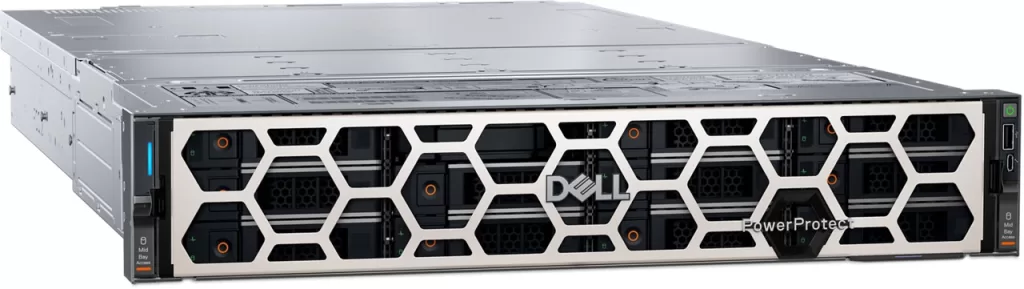
For the heavy lifting, Dell introduced the PowerProtect Data Domain DD3410 appliance, which promises up to twice the backup speed and 46% faster data restores. This hardware is paired with an updated operating system that now supports Transport Layer Security 1.3, ensuring that data remains tightly encrypted while moving between systems.
Closing the Visibility Gap
Because AI workloads often concentrate highly valuable data in centralised platforms, they create lucrative targets that traditional endpoint security might easily miss. To close this visibility gap, Dell is launching a new Endpoint Detection and Response option. This dedicated service continuously monitors and investigates endpoint threats using next-generation antivirus capabilities. Crucially, when paired with Dell PCs, this service integrates directly with the new BIOS verification tools. If a computer’s BIOS drifts from its trusted baseline, an alert is immediately routed to Dell’s Managed Detection and Response team for swift investigation.
For IT managers planning their next hardware refresh, these quantum-ready security features will be integrated into new Dell commercial PCs launching later in 2026. Meanwhile, the software enhancements to the PowerProtect Data Manager and Data Domain Operating System are already available for deployment today. The new PowerProtect Data Domain DD3410 appliance is slated for release on April 15, 2026, followed closely by the dedicated Endpoint Detection and Response service on April 16, 2026.