

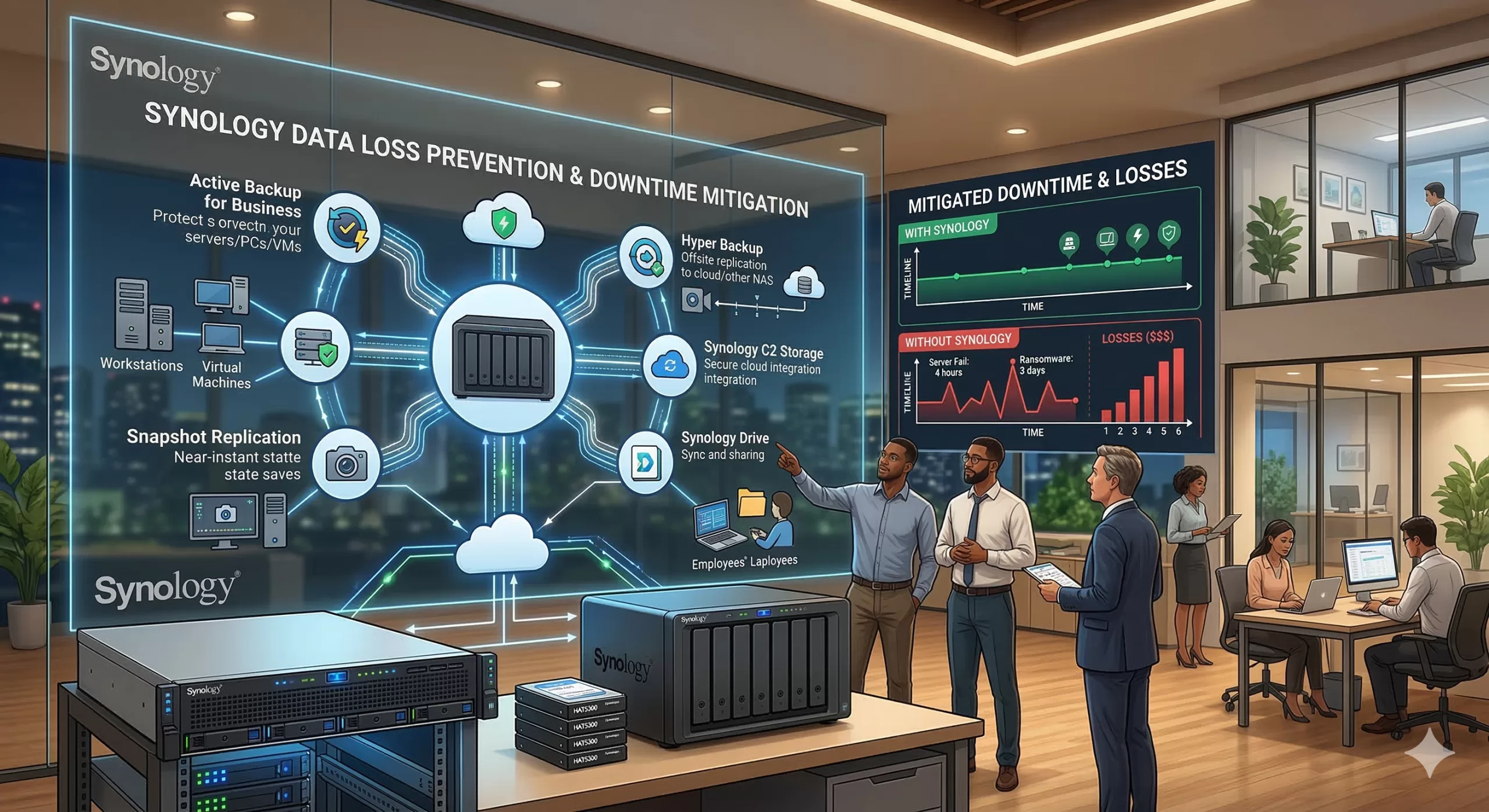
It is an undeniable fact that small and medium-sized enterprises across Malaysia are rapidly digitising their operations. From adopting e-commerce platforms to utilising shared digital workspaces, the drive to reach more customers and streamline daily tasks is stronger than ever. However, this aggressive push toward modernisation is bringing a significant, often overlooked challenge to the forefront. According to Synology, a prominent provider of data management and protection solutions, these very same businesses are facing mounting risks when it comes to effectively managing and securing their critical data.
The Reactive Reality of SME Cybersecurity
The conversation around data protection is certainly happening, but the execution remains heavily flawed. Industry groups, including the SME Association of Malaysia, have pointed out that while smaller businesses recognise the importance of securing their digital assets, their approach to cybersecurity is almost entirely reactive. For many operations, the reality of tight budget constraints, a distinct lack of dedicated in-house IT expertise, and competing daily priorities means that security investments are frequently pushed down the line. Action is often only taken after a system failure or a devastating breach has already occurred.
The financial and operational toll of this reactive stance is staggering. In 2024 alone, Malaysian businesses endured over 6,200 reported cybercrime incidents, which translates to roughly sixteen attacks every single day, resulting in massive losses exceeding RM1.22 billion. The situation does not appear to be improving. During the first nine months of 2025, there were 5,735 reported incidents, marking an alarming increase of 1,000 cases compared to the same period the previous year, with financial losses climbing over the RM700 million mark nationwide.

The Cost of Fragmentation
Jason Sin, the Country Manager for Synology Malaysia, highlights that this gap between basic awareness and tangible action is a recurring theme across the region. Modern businesses naturally rely on a complex web of accounting systems, customer databases, and cloud services spread across various devices and external vendors. As the sheer volume of generated data grows, this inherent fragmentation drastically increases operational risk. The danger multiplies significantly when there is no clear internal ownership or defined structure dictating exactly how that information is stored and protected.
Many smaller enterprises understand these risks but simply do not know where to begin. There is a common misconception that implementing effective data protection requires massive financial investments and the deployment of incredibly complex, enterprise-grade systems. However, Sin argues that the root of the problem is often much simpler. The primary challenge stems from the lack of a centralised approach to data management, rather than a total absence of available technology. Businesses essentially need practical ways to establish basic security controls without introducing unnecessary complexity or crippling costs into their daily operations.
Moving Toward Centralised Control
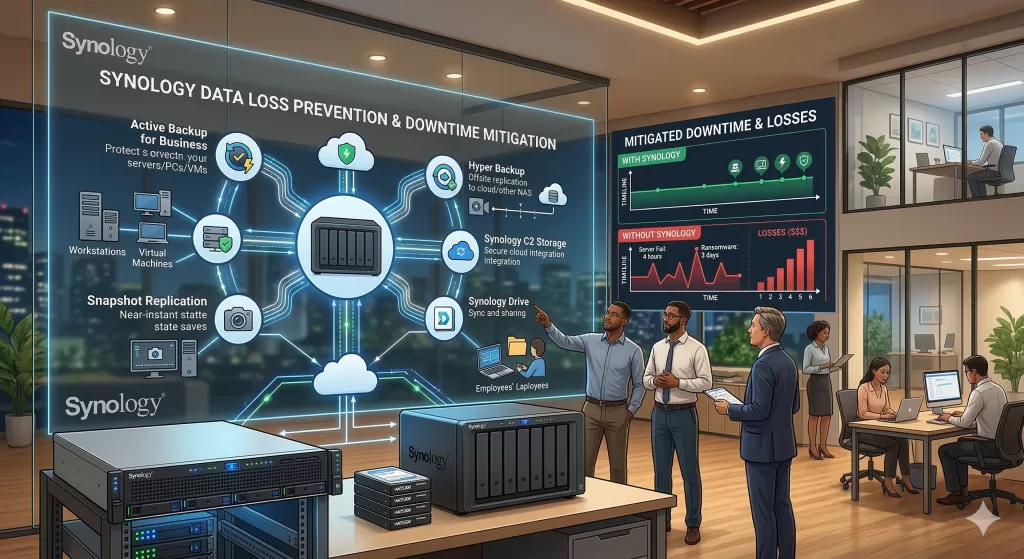
Based on their ongoing engagements with the local market, Synology notes a growing interest among SMEs for straightforward, on-site systems. These practical solutions allow businesses to physically consolidate their scattered data, actively manage user access, and reliably support routine backup and recovery procedures. Rather than completely replacing modern workflows, these localised systems are frequently deployed right alongside existing cloud services. This hybrid approach allows companies to retain the operational flexibility of the cloud while simultaneously maintaining much greater visibility and control over their most critical business information.
Crucially, this localised control builds practical data resilience, ensuring that essential files can be rapidly recovered in the event of an unexpected incident. Whether dealing with accidental file deletion by an employee, sudden hardware failure, or a malicious ransomware attack, having a reliable recovery system is vital, as these specific scenarios remain some of the most common causes of crippling operational downtime for smaller businesses.
A Proportionate Approach to Governance
The push for better data practices is not solely driven by the threat of cyberattacks; it is also becoming a strict regulatory expectation. Under Malaysia’s Personal Data Protection Act, businesses of all sizes are legally required to demonstrate responsible handling of both personal and customer data. Sin emphasises that data resilience has evolved far beyond a simple technical consideration; it is now a fundamental pillar of business continuity and corporate governance.
The ultimate goal for smaller businesses is to find security approaches that are proportionate to their actual scale and available resources. Synology’s strategy focuses heavily on supporting these enterprises through incremental, manageable improvements to their data infrastructure, rather than pushing rigid, one-size-fits-all solutions. For the vast majority of SMEs, meaningful progress does not require adopting the most advanced, cutting-edge technologies on the market. Instead, true security lies in establishing solid, foundational systems that guarantee operational continuity, build customer trust, and support sustainable long-term growth as their reliance on digital tools continues to expand.