


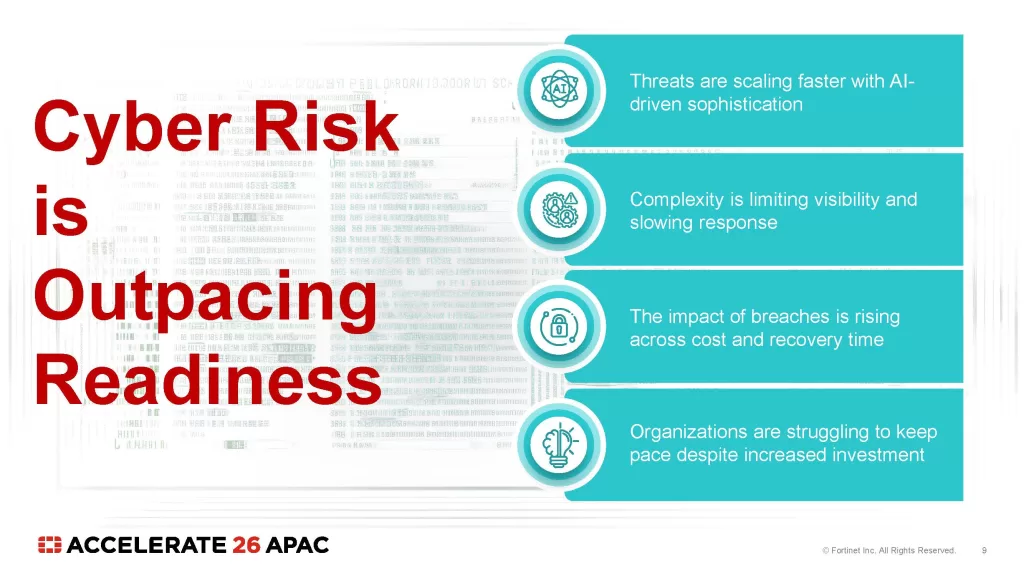
According to recent industry findings compiled by Fortinet and Forrester Consulting, an overwhelming majority of enterprise organizations have suffered at least one breach over the past year, with a staggering half of those facing breach costs that easily clear the million-dollar threshold. When a cyber incident hits today, recovery is no longer a matter of a few days of system maintenance. The operational average to return to true baseline functionality has ballooned to three months, directly impacting business continuity and bleeding revenue. This widening gap between a threat actor’s speed and an enterprise’s readiness has forced an industry-wide re-evaluation of architecture, moving away from fragmented collections of niche software toward consolidated, platform-driven defensive footprints.
Secure Networking: Consolidating the Base Infrastructure
Historically, expanding an enterprise network meant stacking specialized point solutions onto existing legacy systems. A firewalled perimeter was distinct from internal switching, which was entirely separated from corporate wireless access points and branch office connectivity. This fragmented approach has created a management nightmare for local modern enterprises. When every hardware form factor and digital touchpoint operates on a siloed management console, correlation becomes an exercise in manual translation. Fragmented tools and structural architectures are now cited by a majority of technology leaders as a primary driver of operational risk rather than a shield against it.
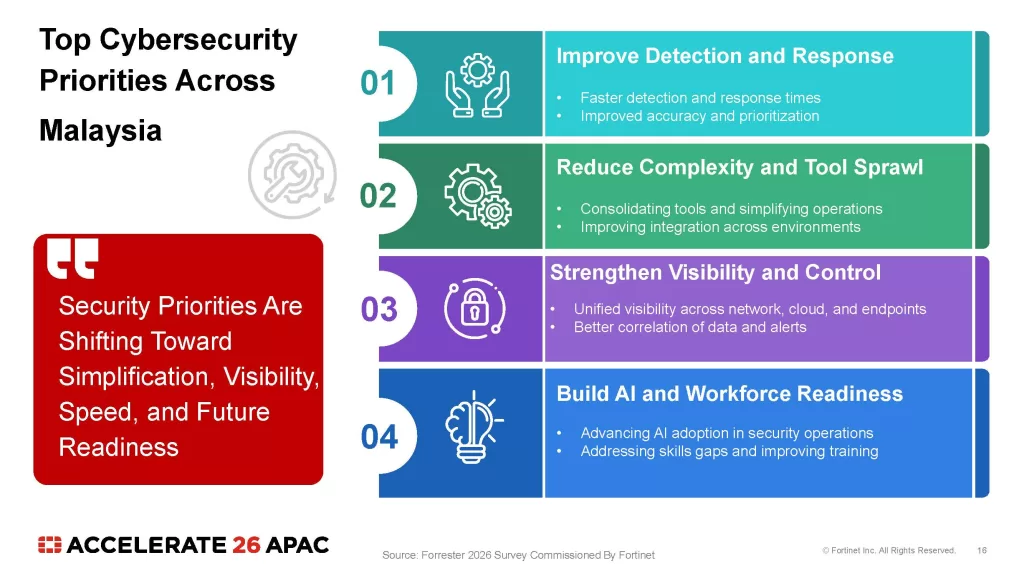
True security posture can only improve when networking and security are treated as a singular, unified layer. Consolidating switches, Wi-Fi networks, 5G gateways, and next-generation firewalls under a single operating system simplifies daily operations while significantly driving down the total cost of ownership. When the base infrastructure speaks the same language, data points are correlated natively. This allows enterprise engineering teams to deploy capabilities in days rather than weeks, effectively closing the visibility gaps that modern adversaries exploit during drive-by or automated malware attacks.
Unified SASE: Securing the Distributed Environment
The traditional office boundary has permanently dissolved, giving way to hybrid environments where users, applications, and corporate data are scattered across diverse cloud infrastructures and home networks. Attempting to protect this distributed model with localized point security tools has left security operations centers buried under an unmanageable volume of conflicting alerts. This alert overload makes it nearly impossible to separate background noise from a genuine, high-intent breach attempt.
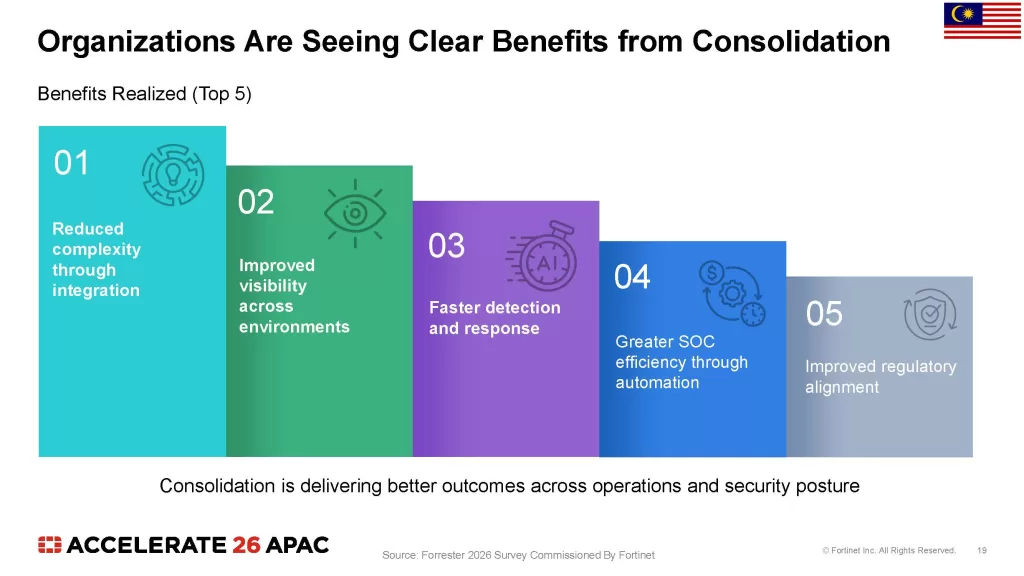
To bring order to this distributed chaos, the enterprise architecture must migrate toward Unified Secure Access Service Edge (SASE) and zero-trust frameworks. This form factor integrates cloud security, secure web gateways, cloud access security brokers, and zero-trust network access into a cohesive cloud-native layer. By embedding real-time consumer preferences and data security controls directly into the distributed workflow, the network can dynamically adapt its defensive posture based on the user’s environment and threat level. It streamlines compliance requirements while ensuring that security policies remain completely consistent, whether an employee is accessing sensitive financial systems from a corporate headquarters in Kuala Lumpur or a remote workspace.
Secops Automation: Building the AI Defensive Engine
The security operations center is currently under a state of sustained pressure. Siloed tools require manual handoffs, requiring analysts to spend valuable time triaging repetitive data instead of actively hunting down advanced adversaries. While a vast majority of local organizations plan to increase artificial intelligence budgets to counter this strain, AI cannot deliver meaningful outcomes if it is injected into a fragmented infrastructure. Without unified data across environments, automated tools risk amplifying complexity rather than reducing it.
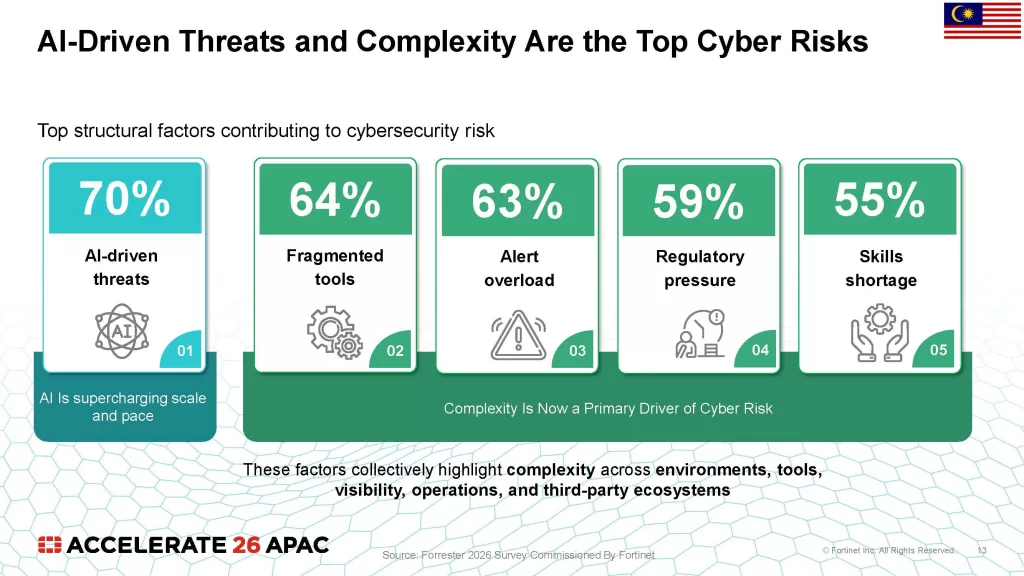
When AI is deeply embedded across an integrated security fabric, it becomes the central engine of modern security operations. It automates repetitive alert triaging, accelerates mean-time-to-detection metrics, and optimizes incident response workflows natively. This platform convergence reduces reliance on constant manual fine-tuning, enabling constrained teams to mitigate sophisticated password, brute-force, and ransomware attacks before they manifest into severe quarterly downtime.
Organizations looking to navigate this new era of consolidated defense can explore Fortinet’s comprehensive security portfolios, designed to bring visibility, automation, and quantum-safe readiness to modern enterprise infrastructures. To truly understand how these architectural shifts translate into durable business impact, tech leaders and ecosystem partners are encouraged to join the conversation and experience these technologies firsthand by registering for the upcoming Fortinet Accelerate 26 APAC regional roadshow event.