

For nearly two decades, the Nintendo DS stood as an untouchable titan within Nintendo’s history. With its dual screens and massive library, it seemed like a sales record that would never be broken. But as of February 2026, the torch has officially been passed. In its latest financial report, Nintendo confirmed that the Nintendo Switch has surpassed the DS to become the company’s best-selling console of all time.
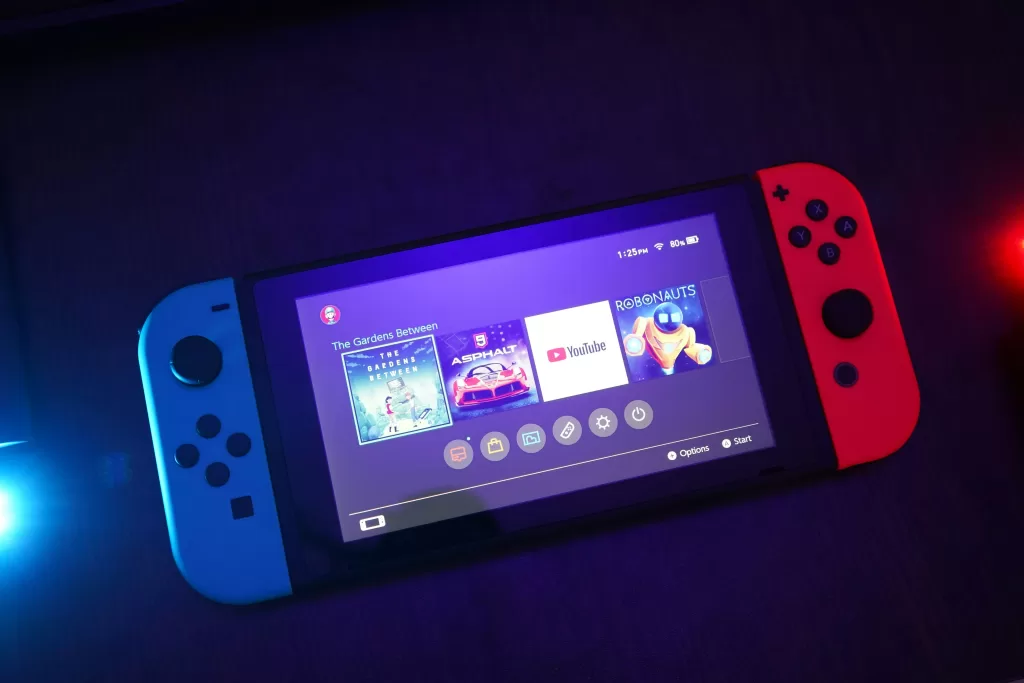
This isn’t just a win for Nintendo; it is a validation of the “hybrid” concept that many doubted back in 2017. The Switch didn’t just survive the transition between generations; it thrived alongside its successor.
The Underdog that Could
According to official data released this week, the Switch family—comprising the original model, the Lite, and the OLED—has reached a cumulative total of 155.37 million units sold worldwide. This edges past the lifetime sales of the Nintendo DS, which sits at 154.02 million.
To put this in perspective, the Switch has now outsold the Game Boy (118 million), the Wii (101 million), and the PlayStation 4 (117 million). It is a staggering achievement for a device powered by a mobile chipset that was already considered “underpowered” when it launched nine years ago.
One Rival Remains – The PlayStation 2
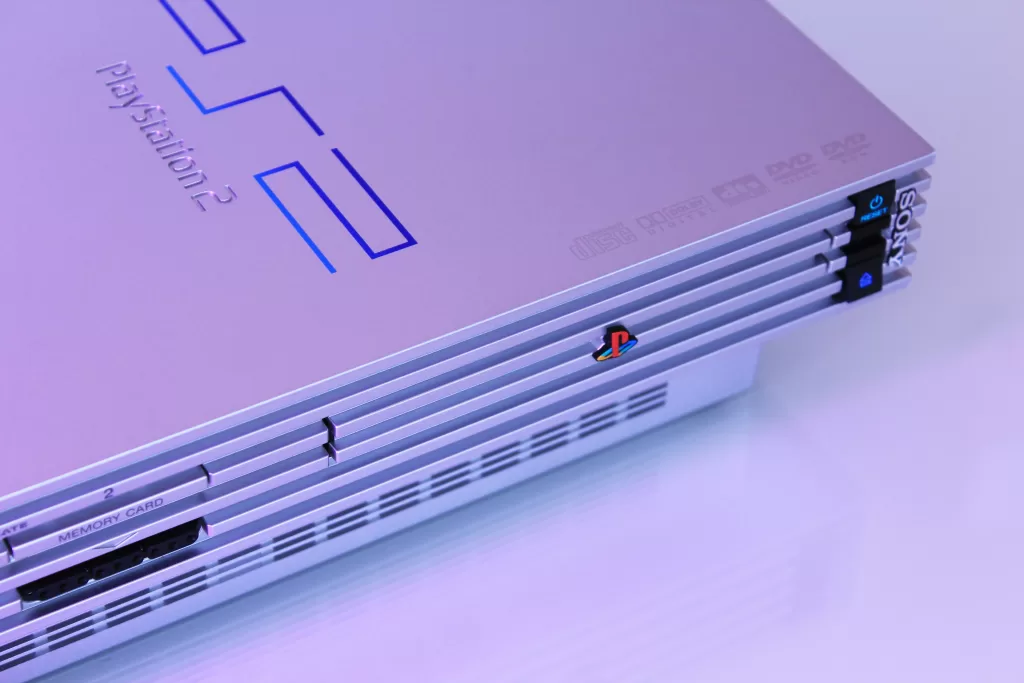
However, the Switch hasn’t quite claimed the ultimate crown yet. While it is now Nintendo’s undisputed champion, it still trails one rival in the all-time rankings: the PlayStation 2.
Sony’s legendary console, released in 2000, holds the industry record with approximately 160 million units sold. The gap is now agonisingly close—less than 5 million units separate the Switch from becoming the best-selling video game console in history.
Can it get there? It’s possible, but getting harder. With the release of the Nintendo Switch 2 last June, which has already shifted a respectable 17.37 million units, the original Switch is naturally seeing a slowdown. Yet, Nintendo is keeping the legacy console on shelves as a budget-friendly entry point. If it can maintain a “long tail” of sales—perhaps driven by price cuts or bundles in emerging markets—it might just inch past the PS2 before production finally ceases.
Nintendo Brewed the Perfect Mix of Novelty and First-Party Titles
The Switch’s success wasn’t an accident. It was the result of a perfect storm. It launched with The Legend of Zelda: Breath of the Wild, arguably one of the greatest games ever made, and maintained momentum with a steady drip-feed of massive hits like Mario Kart 8 Deluxe (which has now sold over 70 million copies alone) and Animal Crossing: New Horizons.
Most importantly, the Switch unified Nintendo’s market. By merging their handheld and home console divisions, all of Nintendo’s development firepower was focused on a single platform. You didn’t have to choose between a “Pokémon machine” and a “Zelda machine” anymore; they were the same device. This singular focus allowed the library to grow into one of the deepest and most diverse in gaming history.
Changing the Gaming Landscape and Bringing Hybrid and Handhelds into the Spotlight
Beyond the raw sales figures, the Switch’s most enduring legacy will be how it fundamentally reshaped the gaming hardware industry. Before 2017, “handheld gaming” was largely seen as a secondary market for children or casual players, dominated by low-fidelity experiences on phones or dedicated portables like the 3DS. High-fidelity, “AAA” gaming was something you did tethered to a TV or a monitor.
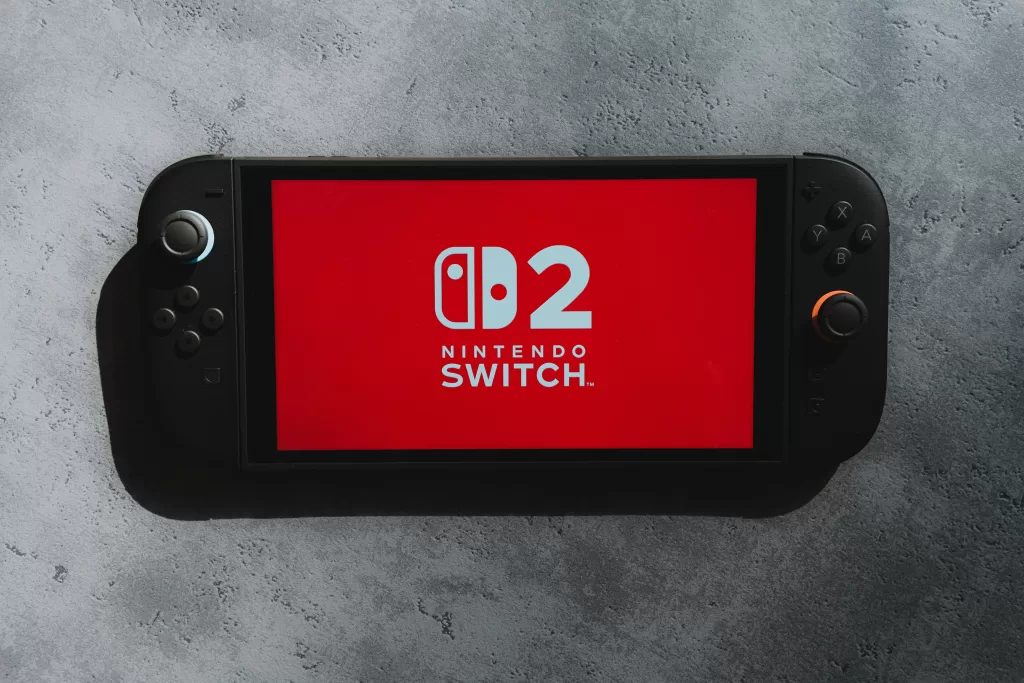
The Switch destroyed that barrier. It proved that millions of players wanted the ability to take full-fat console experiences—like The Witcher 3 or Doom—on the bus, to bed, or on a plane. It normalised the idea that performance could be sacrificed for portability without losing the soul of the game.
This validation birthed an entirely new category of devices. We likely would not have the Steam Deck, the ASUS ROG Ally, or the Lenovo Legion Go if Nintendo hadn’t first proven the market existed. Even Sony, which famously abandoned the handheld market after the Vita, was forced to re-enter the space with the PlayStation Portal, albeit as a streaming accessory. The Switch didn’t just sell units; it changed user habits. It made “hybrid” a standard expectation rather than a gimmick, creating a world where the most powerful gaming experiences are no longer confined to the living room.