

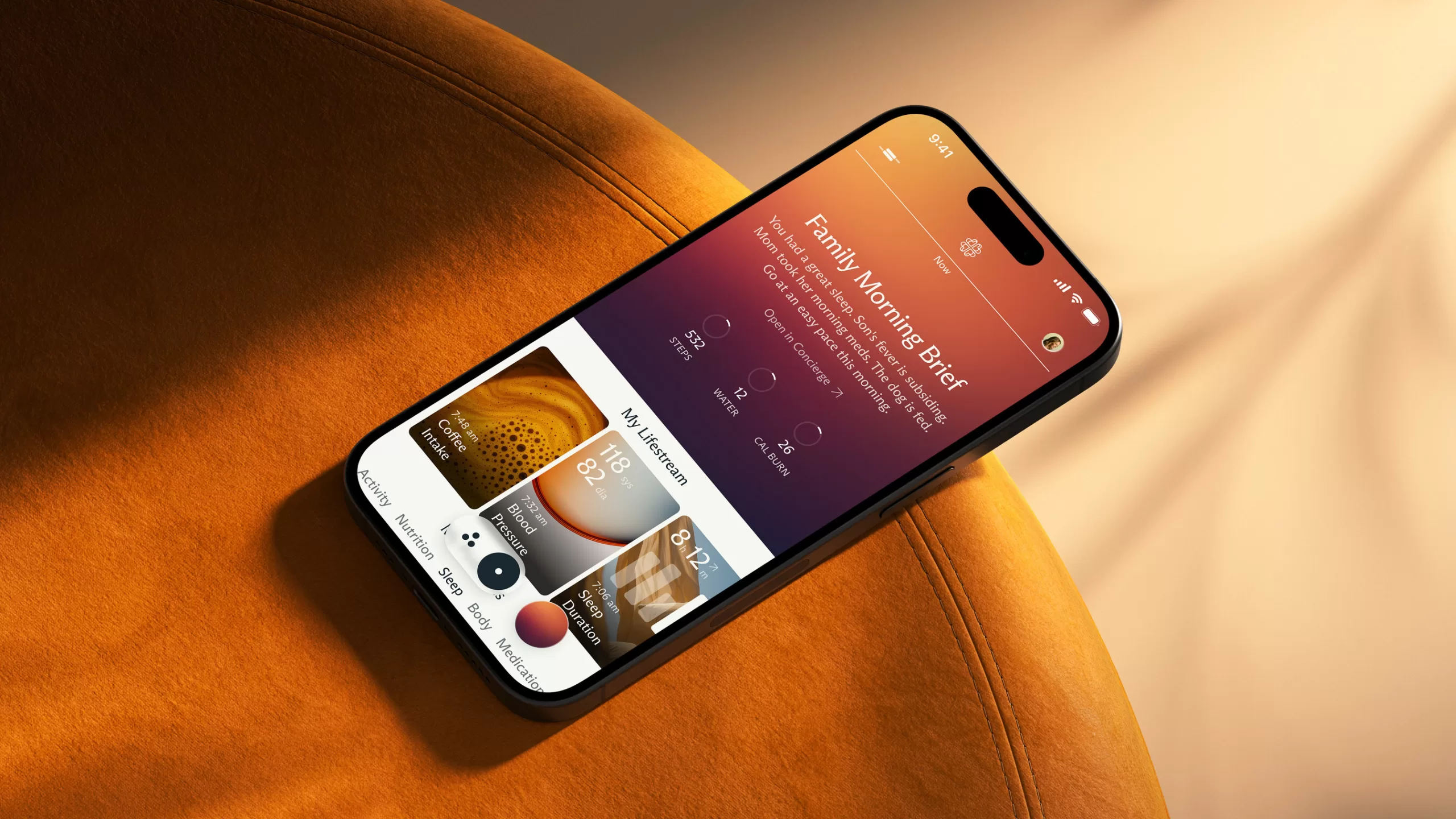
If you were around in the late 2000s, you remember the “10,000 steps” revolution. James Park and Eric Friedman, the duo behind Fitbit, effectively gamified personal health and convinced millions of us to wear sensors on our wrists. Now, after leaving Google, they are back with a new venture called Luffu. But this time, they aren’t trying to help you run a faster 5K; they are trying to solve the chaotic, fragmented mess of taking care of your family.
Moving From “Me” to “We”
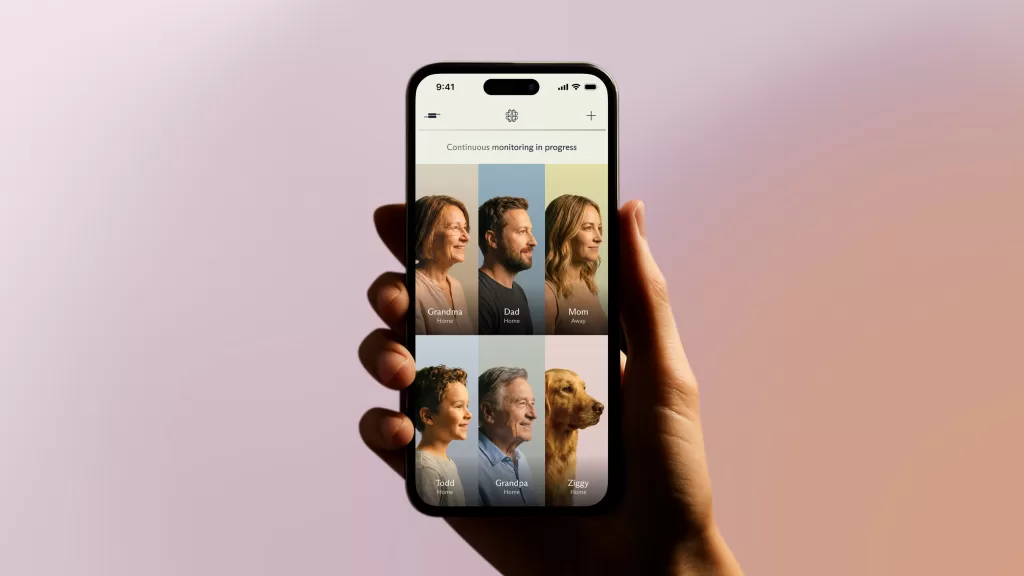
The core philosophy behind Luffu is that health isn’t just an individual pursuit—it is a team sport. If you have ever tried to manage an aging parent’s medication while tracking a toddler’s fever and your own sleep, you know the struggle. Your dad might be on an Android with a generic pedometer, your partner has an Apple Watch, and you are rocking an Oura ring. None of these devices talk to each other.
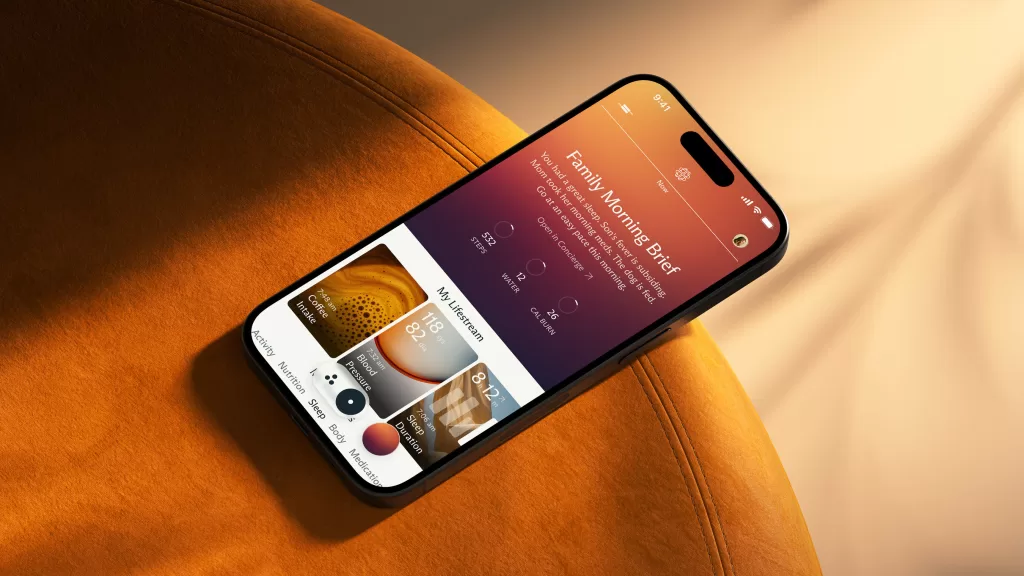
Luffu is designed to be the “Switzerland” of health data. It acts as a central hub that pulls in information from disparate ecosystems—Apple Health, Google Health Connect, Fitbit, and Oura—and consolidates it into a single “family feed.” The idea is to reduce the mental load of the “designated caregiver” (usually the person in the family who is best at tech) by automating the data collection.
The “Guardian” System
Unlike traditional fitness apps that shout at you to close your rings, Luffu operates more like a quiet background monitor. The founders describe it as a “Guardian” system. It uses AI to establish a baseline for each family member’s normal rhythms. If something deviates—like a sudden spike in a parent’s resting heart rate or a significant drop in sleep quality—the app sends a proactive alert.
This is paired with manual logging that feels less like a medical chart and more like a group chat. You can log a child’s temperature, snap a photo of a discharge summary, or dictate a note about a medication change. The app’s AI then parses this unstructured data and organizes it into the timeline, making it searchable later.
Ask Luffu: AI That Actually Helps
The “AI” label is slapped on everything these days, but Luffu seems to be using it for genuine utility rather than generating weird images. The platform features a natural language query system called “Ask Luffu.” Instead of digging through graphs, you can simply ask, “Did Mom take her blood pressure meds this week?” or “When was the last time Alex had a fever?”
The system is designed to synthesize data from both connected devices and manual logs to give you a straight answer. It’s a feature that directly addresses the panic of trying to remember medical history during a doctor’s visit.
Privacy and Future Hardware
Given that health data is involved, privacy is the elephant in the room. Luffu is positioning itself as “anti-surveillance.” The app offers granular controls over what is shared and with whom. A teenager might want to share their step count with the family but keep their sleep data private, and Luffu accommodates that “privacy by design” approach.
While the current launch is software-only, Park and Friedman haven’t lost their hardware roots. The company has confirmed that complementary hardware devices are on the roadmap. These won’t necessarily be new trackers to replace your Apple Watch, but rather ambient sensors designed to fill the gaps in home monitoring.
Availability
Luffu is currently in a private beta phase. The app is not yet available for immediate open download on the App Store or Play Store. However, the company has opened a waitlist on their official website for users interested in early access to the “intelligent family care system.”
The service is expected to launch with a “freemium” model, though specific pricing tiers for premium features have not yet been confirmed. Initial access will be rolling out in waves to ensure the stability of the cross-platform integrations.