

For years, the “foldable” conversation has been dominated by a simple trend: the expensive book-style Fold is for power users, and the cheaper, stylish Flip is for everyone else. Since the beginning of Samsung’s foldable journey, the Z Flip has consistently outsold its larger sibling, usually grabbing around 60-70% of total sales. However, reports emerging from South Korea suggest Samsung is preparing to flip the script in 2026. For the first time, the company expects the Galaxy Z Fold8 to outsell the Galaxy Z Flip8.
A Shift in Production Numbers
According to a report by ETNews, Samsung has adjusted its internal production targets for the second half of 2026. The tech giant is reportedly planning to manufacture approximately 3.5 million units of the Galaxy Z Fold8, compared to just 2.5 to 3 million units of the Galaxy Z Flip8. This reversal is significant—it’s not a minor adjustment but a strategic bet that the market is finally ready to embrace the larger, productivity-focused form factor over the compact clamshell.
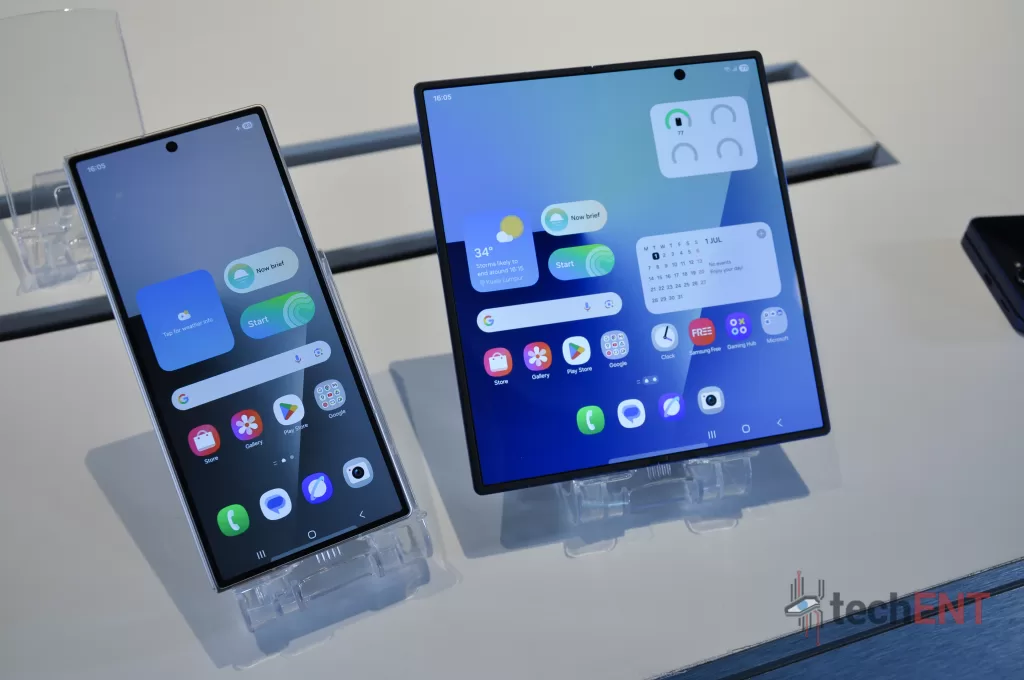
This confidence appears to stem from the surprising success of the Galaxy Z Fold7 in late 2025. That device, which finally addressed complaints about thickness and weight (coming in lighter than the Galaxy S25 Ultra), managed to outsell the Z Flip7 in its initial launch window. Samsung seems convinced this wasn’t a fluke but a permanent shift in consumer preference.
Why the Change?
The decision likely comes down to a growing “innovation gap” between the two lines. The Galaxy Z Flip8 is rumored to be a relatively conservative update. Leaks suggest it will retain the same camera hardware as its predecessor—a 50MP main sensor and 12MP ultra-wide—without adding a telephoto lens or significantly changing the design. While it might get a newer processor (potentially the Exynos 2600), the lack of major hardware changes suggests Samsung sees the Flip form factor as mature, or perhaps plateauing.
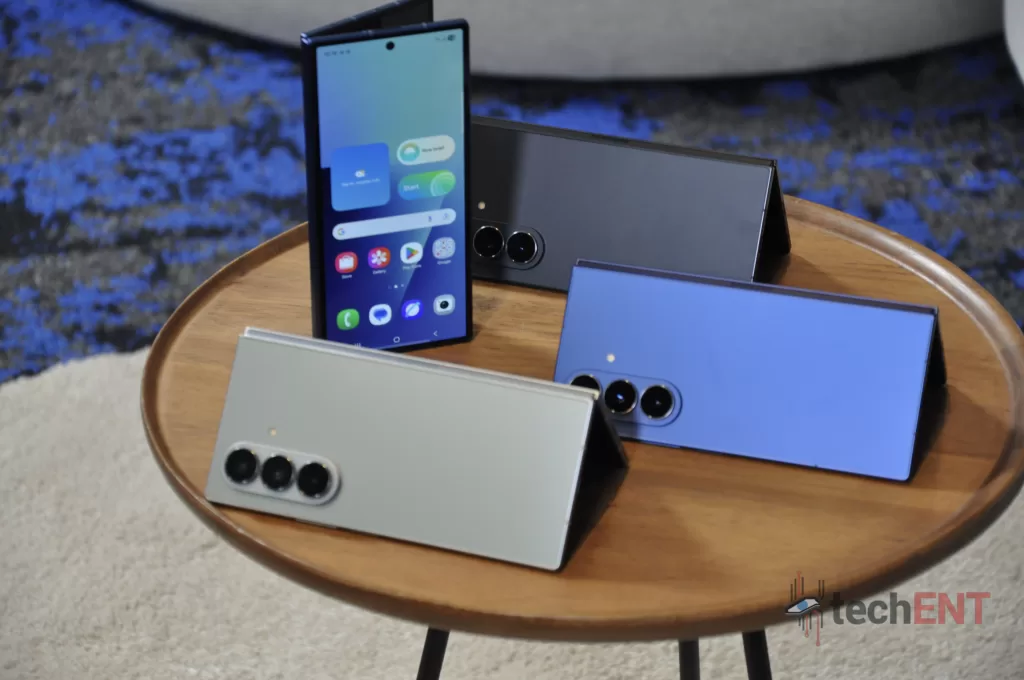
In contrast, the Galaxy Z Fold8 is expected to be a much more aggressive upgrade. Rumors point to a device that is even thinner and lighter than the Fold7, further eroding the “brick in the pocket” stigma. More importantly, the Fold8 is tipped to receive substantial camera upgrades, potentially adopting the 50MP ultra-wide sensor from the S25 Ultra, finally bringing it closer to parity with Samsung’s slab flagships.
The “Wide Fold” Wildcard
There is also a third player in this equation. Reports indicate Samsung is planning to launch a new variant tentatively dubbed the Galaxy Wide Fold. This device is expected to feature a wider aspect ratio closer to a passport shape (similar to the Pixel Fold or OnePlus Open), addressing users who find the standard Fold’s outer screen too narrow.
Unlike previous “Special Edition” foldables that saw limited runs, Samsung is reportedly targeting a production of 1 million units for this wide variant. If combined with the standard Z Fold8 numbers, Samsung’s commitment to the large-screen foldable category becomes even more overwhelming. This triple-threat lineup (Fold8, Wide Fold, and Tri-Fold) suggests Samsung wants to flood the zone with productivity devices before Apple potentially enters the market with its own foldable iPhone later in the year.
What This Could Mean
Samsung’s adjusted targets suggest a strong belief that wider adoption of the Fold series is inevitable, driven by the significant hardware maturity coming to the Z Fold8. The upgrades—specifically the weight reduction and camera parity—address the biggest barriers that have historically kept average users away. It signals that the “book” style is no longer just for niche power users but is finally ready to replace the standard flagship slab for the general public.
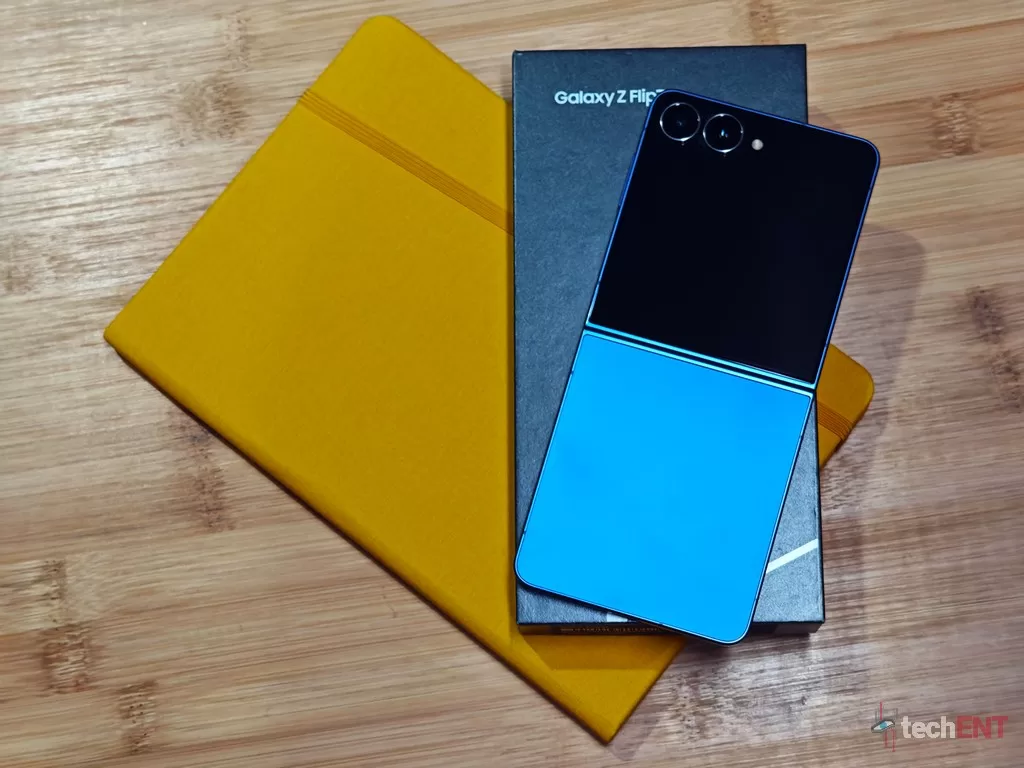
However, the reduction in Flip numbers should not be interpreted as Samsung giving up on the clamshell. It is unlikely they would abandon the form factor that effectively democratized foldables. Instead, it reads as a moment of self-awareness. By acknowledging that the Z Flip8 is a minor refresh, Samsung seems to realize that the line is falling back in terms of innovation compared to the rapid gains of the Fold. This conservative year likely serves as a strategic reset, buying the engineering team time to redevelop the platform. It suggests that while 2026 is the year of the Fold, the company is likely already planning to up the ante significantly with the Galaxy Z Flip9 to reclaim its innovative edge.