

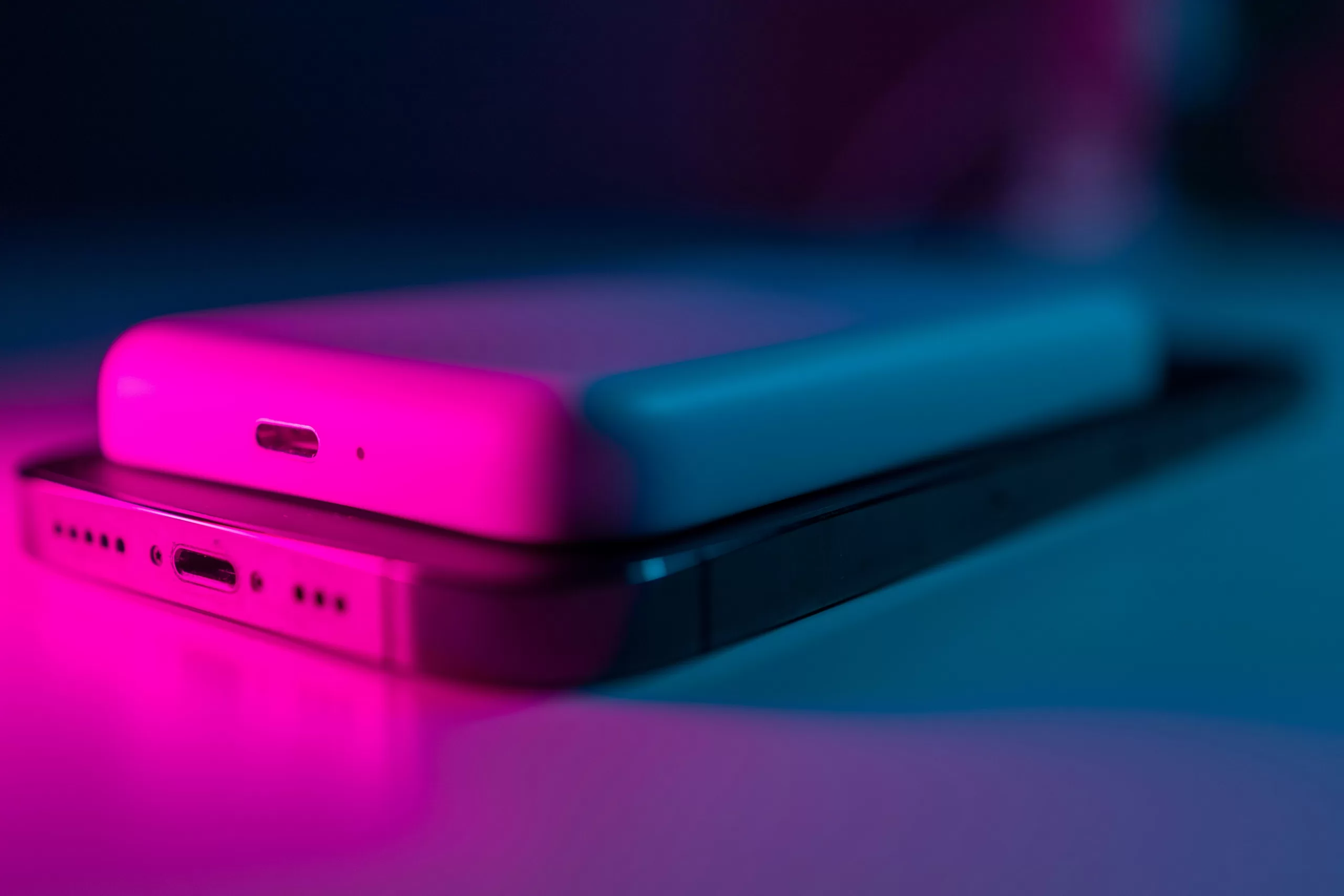
We have all experienced that moment of sheer panic at the airport when we realise our smartphone or tablet is hovering at 5% battery. For years, the universal solution has been to simply toss a high-capacity power bank or two into our carry-on luggage and charge our devices from the comfort of our aeroplane seat. It has become an essential part of the modern travel survival kit. However, the way we manage our digital lives while flying is about to change significantly. The International Civil Aviation Organisation, or ICAO, has officially announced a new set of restrictions regarding lithium battery-powered power banks on commercial flights, and these rules are going to force frequent flyers to seriously rethink their packing strategies.
The Two-Device Limit and the In-Flight Charging Ban
Effective March 27, 2026, the new specifications handed down by the ICAO introduce two major changes that directly impact the everyday passenger. First, travellers will now be strictly limited to carrying a maximum of two power banks per person. While this might not seem like a massive hurdle for the average vacationer, digital nomads and content creators who typically travel with a small arsenal of backup batteries for their cameras, phones, and laptops will need to consolidate their gear.
The second, and arguably much more disruptive change, is an absolute prohibition on recharging these power banks during the flight itself. Up until now, many long-haul travellers relied on the aircraft’s built-in USB ports or power outlets to top up their power banks before landing, ensuring they had full backup power ready for exploring a new city. Under the new ICAO regulations, this practice is officially banned for passengers. Interestingly, the rules do carve out an exception for the flight crew, who will still be allowed to carry and use these devices in accordance with the aircraft’s operational requirements.
The Science and Safety Behind the Decision
If you are wondering why the ICAO is suddenly cracking down on our portable chargers, the answer comes down to the volatile nature of lithium-ion technology. The decision reflects a growing understanding among independent technical experts regarding the emerging risks presented by passenger-carried lithium batteries. When these batteries are damaged, improperly manufactured, or subjected to electrical stress—like being recharged in an unstable environment—they can enter a state known as thermal runaway. This is essentially a rapid, uncontrollable chemical fire that is incredibly difficult to extinguish, especially within the confined, pressurised cabin of an aircraft cruising at 35,000 feet.
The ICAO’s Dangerous Goods Panel actively monitors these emerging risks and advises standard-setting bodies accordingly. The new restrictions were reviewed, endorsed, and ultimately approved by the 36 States forming the ICAO Council as a proactive measure. It is all part of the organisation’s broader strategic vision for the future of international air transport by 2050, which explicitly aims for zero fatalities alongside net-zero carbon emissions. By limiting the sheer volume of power banks and restricting in-flight charging, the ICAO is drastically reducing the statistical probability of a catastrophic thermal event occurring mid-flight.
Adapting Your Travel Routine
For the everyday traveller, these new regulations mean that preparation is going to be more crucial than ever. If you have a flight scheduled on or after the March 27 implementation date, you can no longer rely on your flight time to charge your backup batteries. You will need to ensure that both your primary devices and your allotted two power banks are fully charged before you even set foot in the airport. While the new rules might introduce a slight inconvenience to our travel routines, the added peace of mind and significantly enhanced cabin safety make it a trade-off that is well worth accepting.