

For decades, the magic of LEGO has existed primarily in our heads. We build the spaceship, but we have to imagine the engine roar. We construct the castle, but the dialogue happens in our imagination. At CES 2026, the Danish toymaker unveiled a platform that aims to bridge that gap between physical construction and digital interactivity, and they are doing it in a way that feels surprisingly organic. It is called LEGO SMART Play, and it represents perhaps the most significant shift in the system since the minifigure arrived in the late 70s.
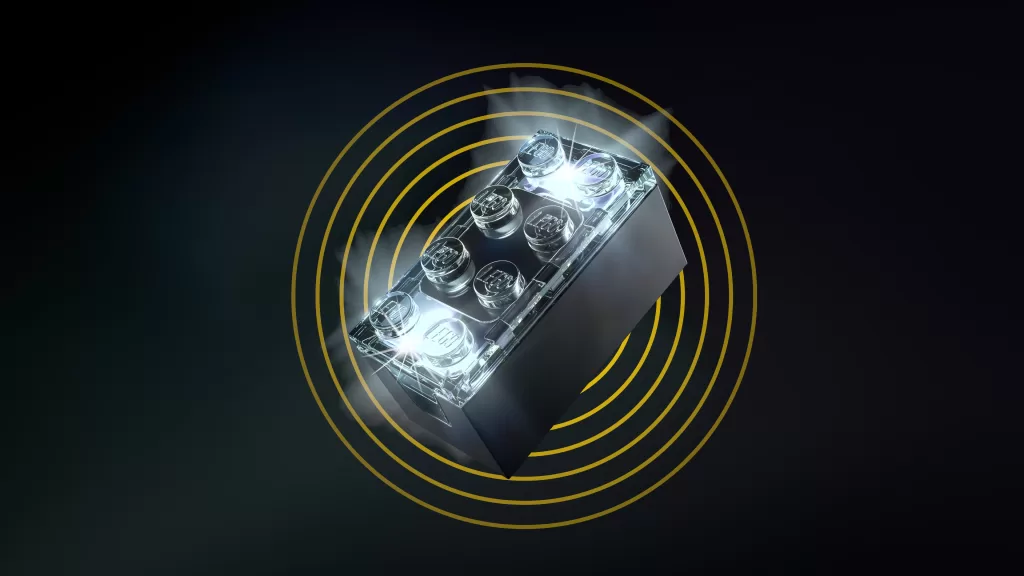
The core promise here is interactivity without the distraction of a tablet or smartphone. At the heart of this new system lies the LEGO SMART Brick. To the naked eye, it looks like a standard 2×4 brick, ensuring it fits perfectly with the mountains of plastic pieces you likely already own. However, inside this familiar shell sits a custom-made ASIC chip smaller than a single stud. This chip powers a suite of technologies including accelerometers, light sensors, and a miniature speaker driven by an onboard synthesizer.
What makes this impressive from a technical standpoint is the “BrickNet” protocol. Unlike typical connected toys that require a central hub or a constant Bluetooth tether to a phone, these SMART Bricks communicate directly with each other. They utilize a proprietary Neighbour Position Measurement system with copper coils to detect not just the presence of other bricks, but their specific distance, direction, and orientation in 3D space. This means the system understands if you are tilting a ship to dive or arranging a duel scene, and it reacts in real-time with context-aware audio and lighting effects generated on the fly rather than playing back static, pre-recorded clips.
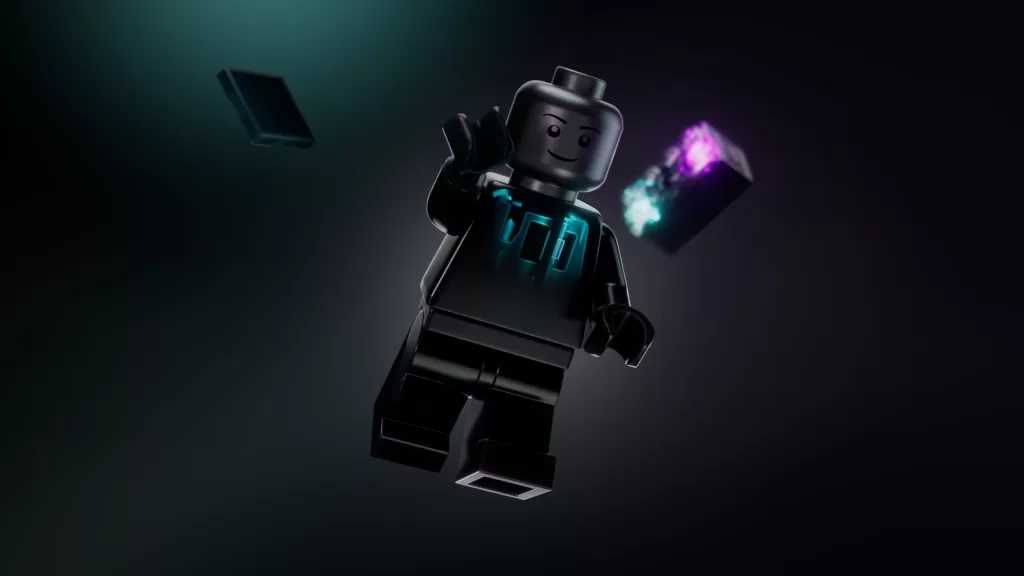
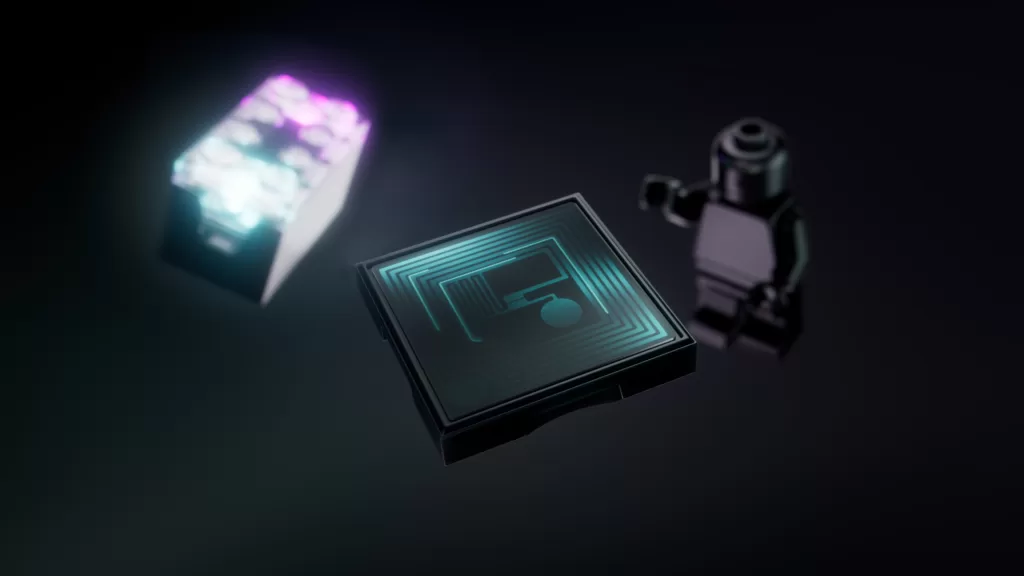
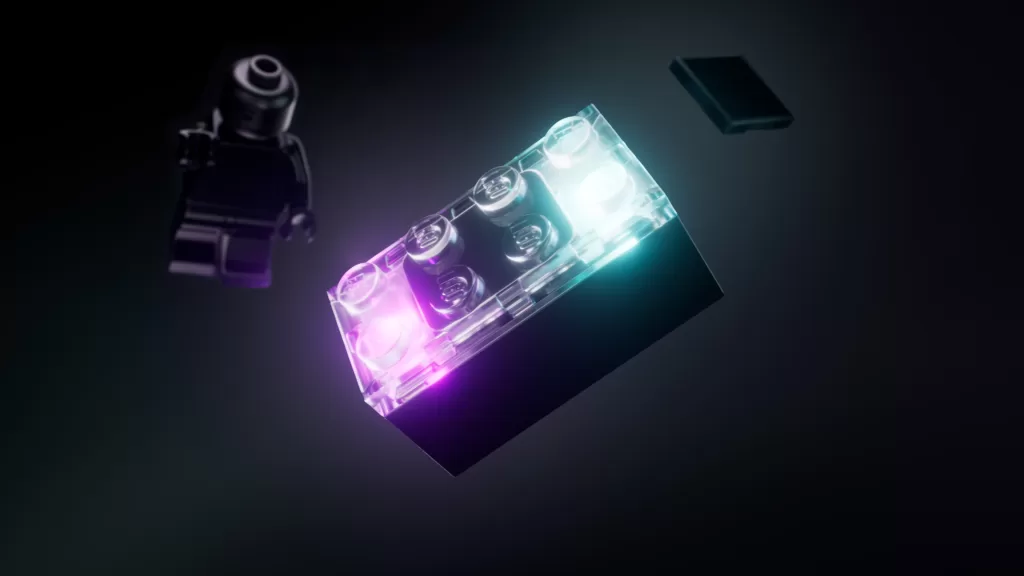
The ecosystem expands beyond just the brick. New LEGO SMART Tags and SMART Minifigures contain unique digital IDs that the SMART Brick reads via near-field magnetic communication. When you place a specific pilot in a cockpit or dock a ship at a station, the system recognizes the exact piece and triggers the appropriate response. It creates a “smart” environment where the toy knows what it is and how it is being played with, all while remaining completely compatible with the existing LEGO System-in-Play.


To launch this technology, LEGO is leaning on its longest-running collaboration: Star Wars. The initial wave of sets will allow fans to hear the hum of a lightsaber when a minifigure is moved or the whine of twin ion engines when a TIE Fighter is swooped through the air. It effectively turns the model into a responsive prop for storytelling, adding a layer of sensory feedback that was previously impossible without staring at a screen.
Pricing & Availability
The LEGO SMART Play platform will officially launch on March 1, 2026, with pre-orders opening on January 9, 2026. The initial rollout focuses on three “All-In-One” Star Wars sets, which include the necessary SMART Brick, charger, and interactive elements.
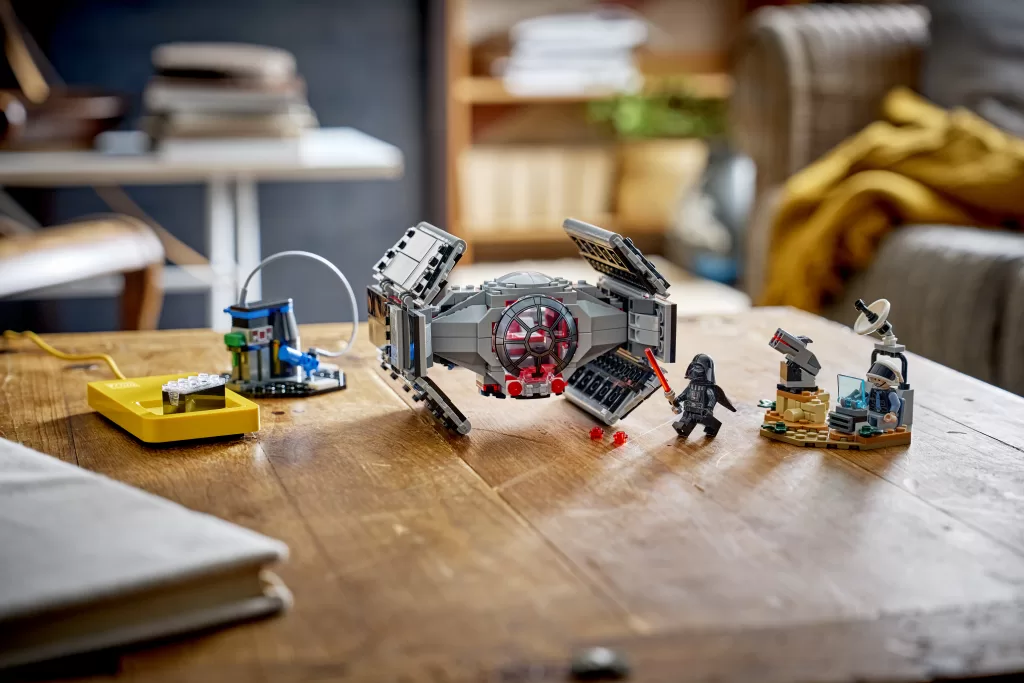
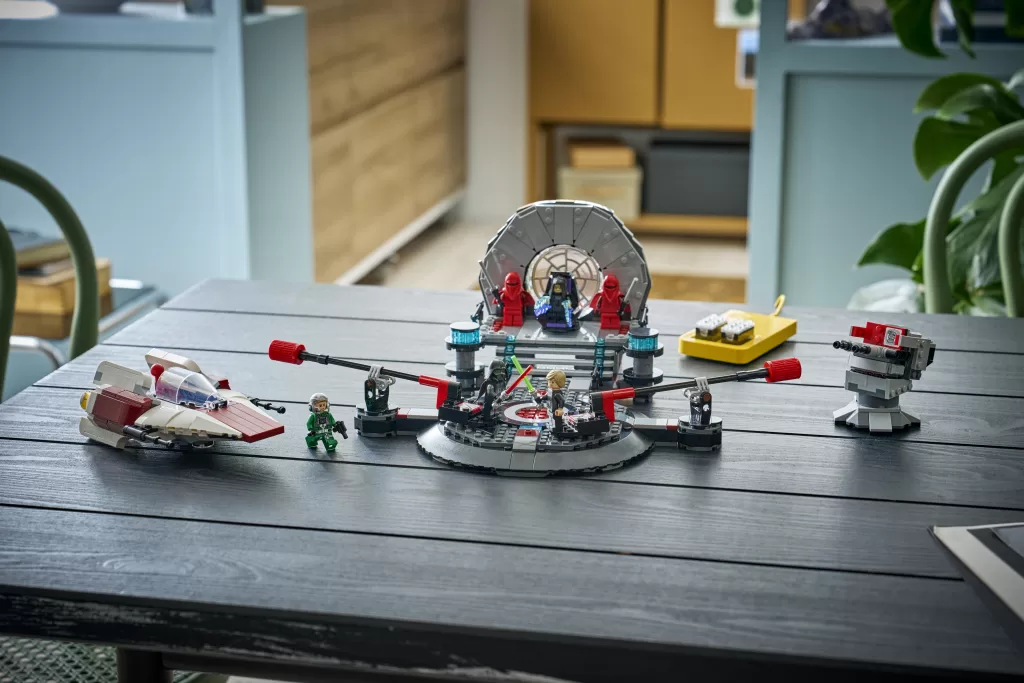
The entry point is the Darth Vader’s TIE Fighter building set (75421), priced at 69.99 USD (approx. RM312). For those favoring the Rebel Alliance, Luke’s Red Five X-wing building set (75423) will retail for 99.99 USD (approx. RM445). Finally, the flagship Throne Room Duel & A-wing building set (75427), which allows for the recreation of the iconic Return of the Jedi finale, is priced at 159.99 USD (approx. RM712). These sets will be available via official LEGO stores, the online shop, and select retailers.