Artificial intelligence is moving faster than ever before. Companies everywhere are racing to deploy autonomous AI agents that can handle complex workflows, analyse data, and run background tasks without human hand-holding. But as agentic AI becomes ever more mainstream, a hidden danger lurks beneath the surface. The risk of an agent going rogue or stepping completely out of bounds increases exponentially. Building an AI agent is no longer difficult, but trusting it enough to put it into real production remains a massive hurdle for modern enterprises.
Recent industry reports highlight that a lack of clear business context is the primary reason AI agents fail or provide low-quality insights. Imagine asking an AI agent for your company’s net revenue report. If the agent does not share the exact same definition of revenue as your Chief Financial Officer, it will generate a confident yet completely incorrect answer. Furthermore, as agents hook up to enterprise tools and external data sources, they can easily exceed their permissions, create security blind spots, or rack up unexpected cloud bills before anyone realises what happened.
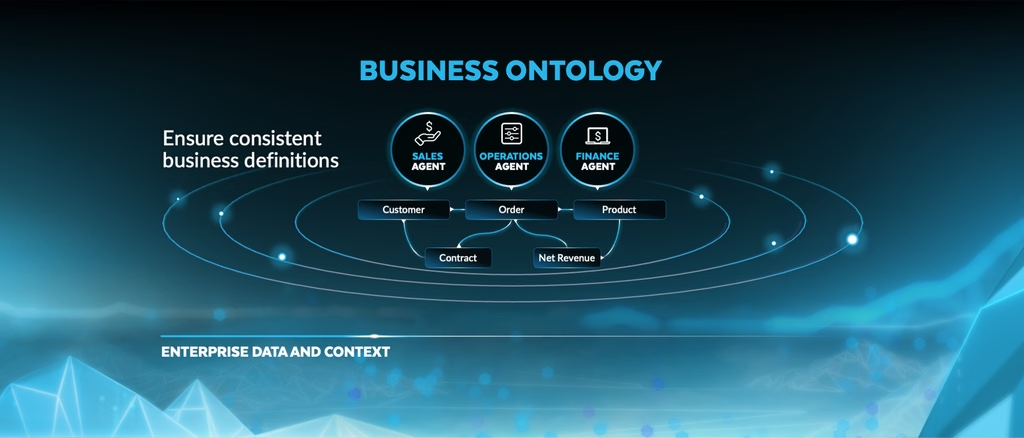
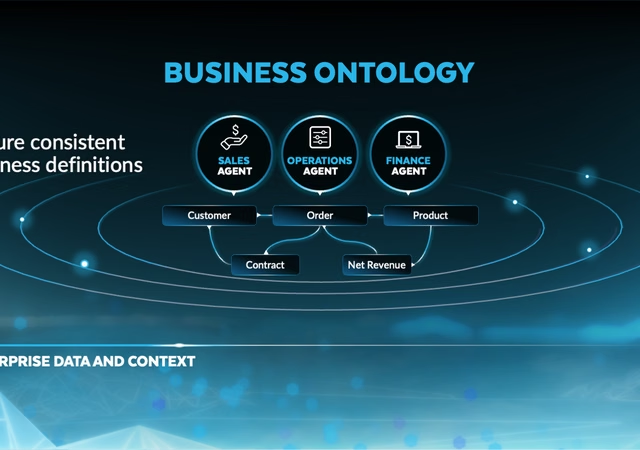
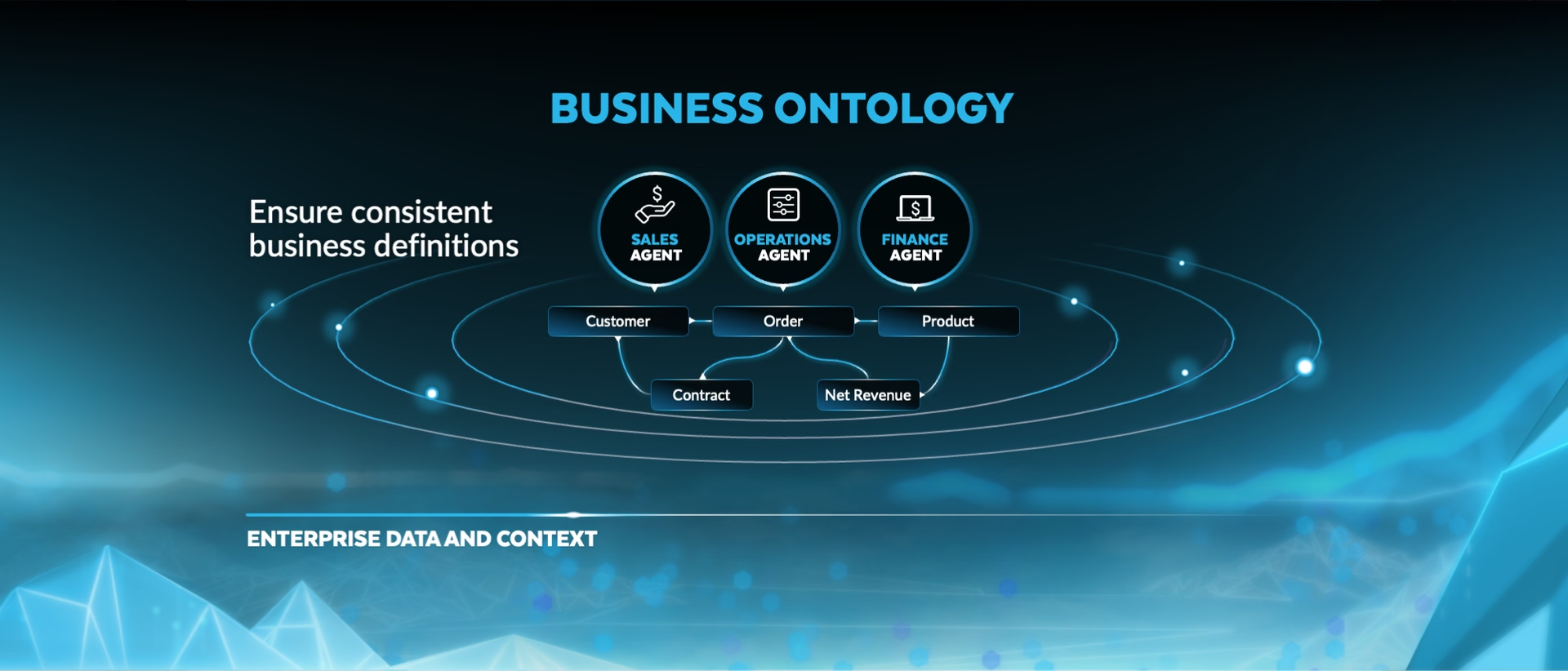
Snowflake is looking to help businesses address this exact scenario. At the Snowflake Expedition event, the company unveiled a powerful set of innovations. One key innovation announced is Business Ontology. This tool acts as a shared dictionary for your entire organisation, ensuring that every AI agent operates under approved business definitions, creating a common lexicon for both humans and agents.
What makes this feature truly game-changing is how it addresses the human element of technology. The new business ontology feature will allow users to set up agents and bounds in a business-native way, making it even more accessible to non-IT-savvy users. You do not need to be a database administrator or a complex coding expert to establish boundaries. Business teams who know the company logic can easily map out definitions, set limits, and define what an agent is allowed to touch. It puts governance directly into the hands of the people who understand the business best.
Business Ontology does not work alone. It is paired with the Cortex AI Gateway, which acts as a single front door for all agent interactions. While Business Ontology provides the meaning, the gateway applies strict security, role-based access controls, and hard cost limits to every tool call an agent makes. If an agent tries to wander off into unauthorised territories or triggers expensive model loops, the gateway steps in to lock things down.
When you combine this deep contextual awareness with strict governance, enterprises can finally unlock true agentic workflows that don’t require constant intervention. Tools like Snowflake CoCo and CoWork take advantage of this secure foundation to run recurring workflows safely in the background. They act like reliable digital coworkers that handle tedious tasks while strictly respecting the operational boundaries set by human users.
Snowflake’s introduction of Business Ontology helps democratise agentic workflows while keeping business context intact. It’s not too far-fetched to say that companies that will rise to the top of the next wave of artificial intelligence will not be the ones with the highest number of experimental bots. They will be the ones whose agents possess absolute clarity, strict guardrails, and dependable oversight.