
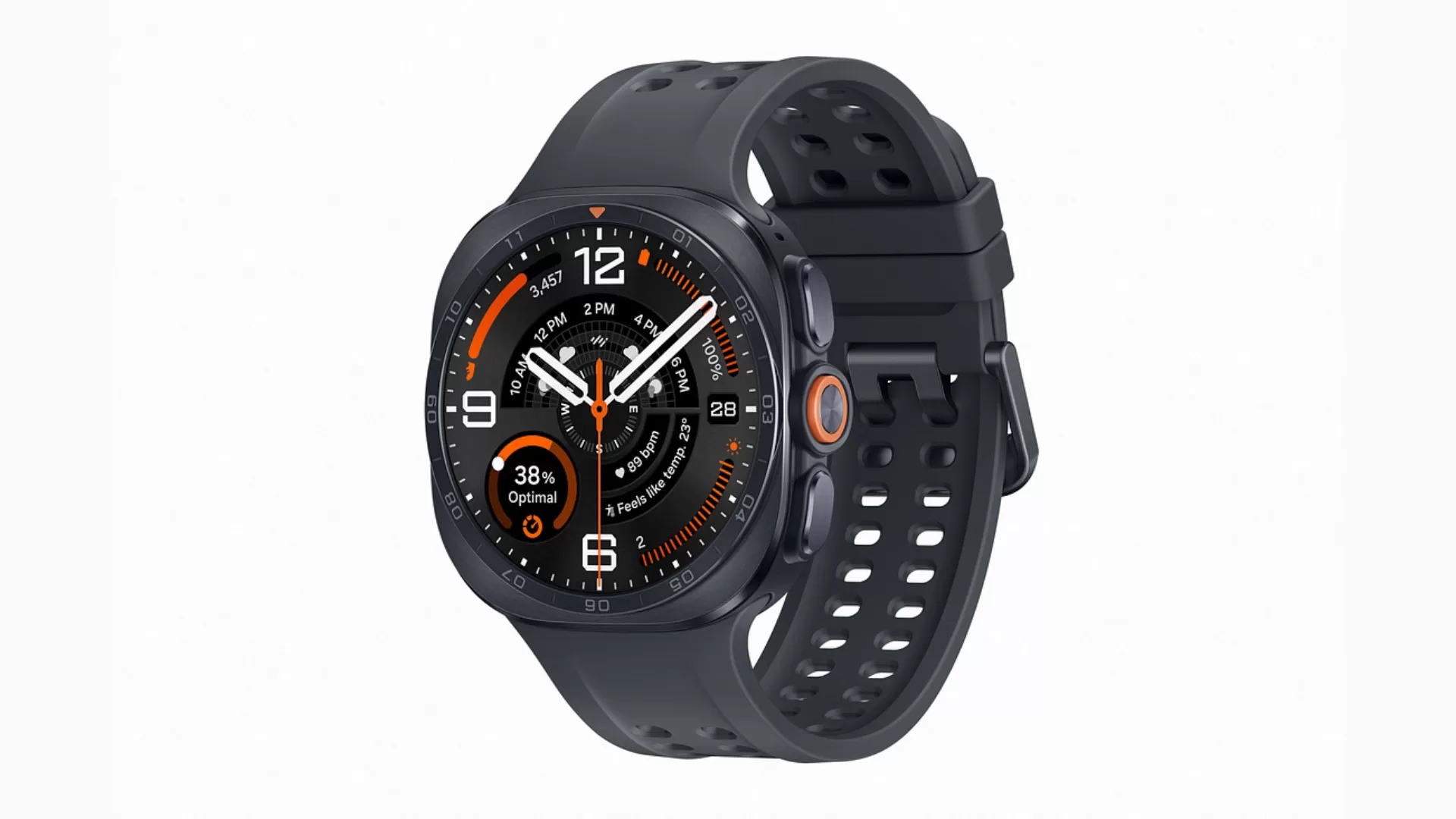
Smartwatches have evolved from simple notification buzzers into complex, life-saving health monitors. For years, Samsung’s Galaxy Watch lineup has been the de facto standard for Android users. However, as the wearable market pushes toward extreme ruggedness and on-device AI computing, incremental updates no longer cut it. So What exactly is Samsung bringing to the table? Enter the upcoming Galaxy Watch9 and the highly anticipated Galaxy Watch Ultra 2.
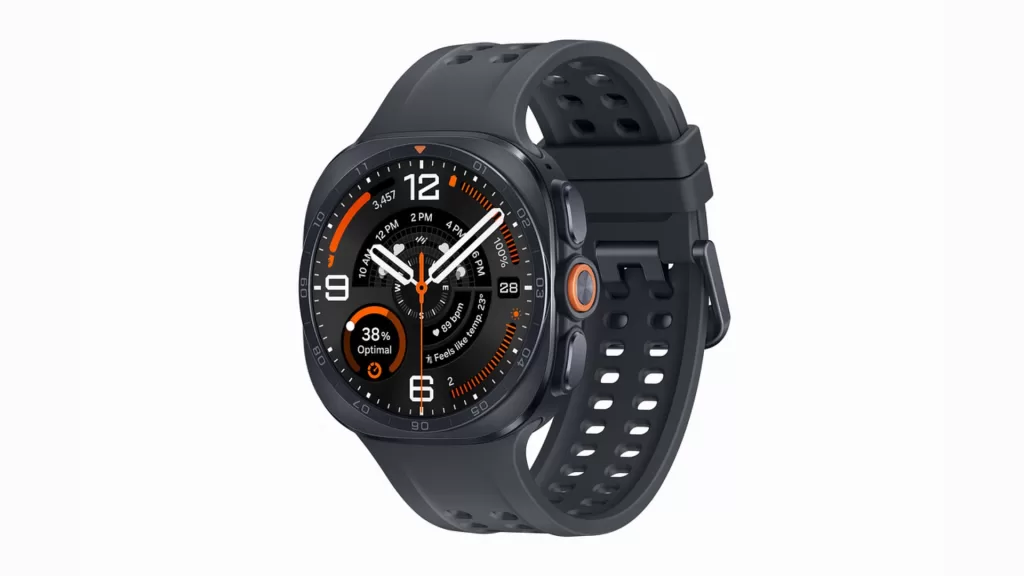
If the rumours hold true, Samsung is abandoning its own silicon and completely overhauling the battery architecture of its premium tier to take on heavyweights like the Garmin Fenix 8 Pro and the Apple Watch Ultra. Let’s break down what we expect from Samsung’s next era of wrist-bound tech.
Hardware: Keeping What Works, But Shifting to Snapdragon Wear Elite
The biggest shift for the 2026 Galaxy Watch lineup is rumoured to lie in the silicon. For years, Samsung relied on its proprietary Exynos processors—most recently the Exynos W1000. However, leaks are indicating that both the Galaxy Watch9 and the Watch Ultra 2 will transition to Qualcomm’s cutting-edge 3nm Snapdragon Wear Elite chipset.
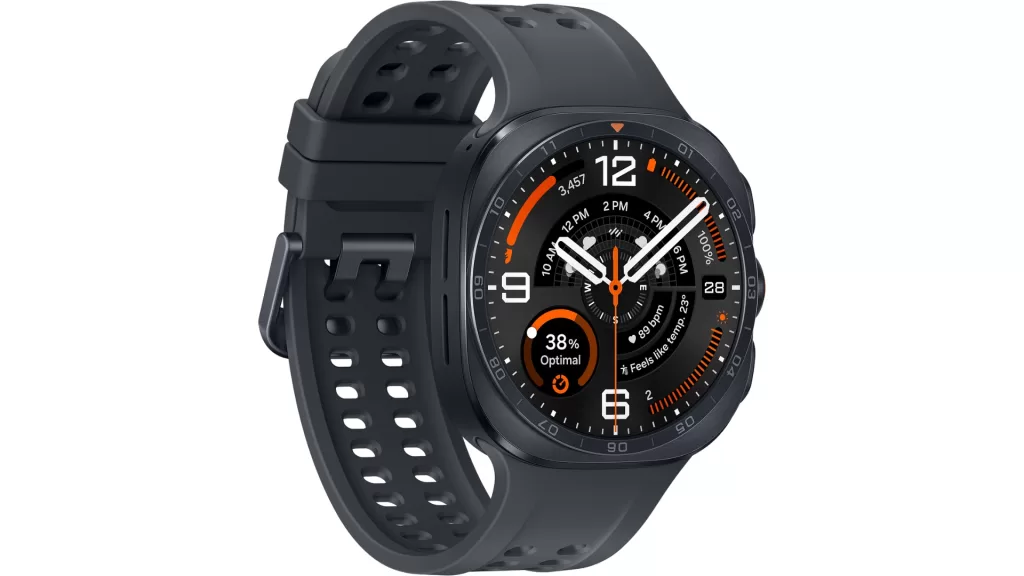
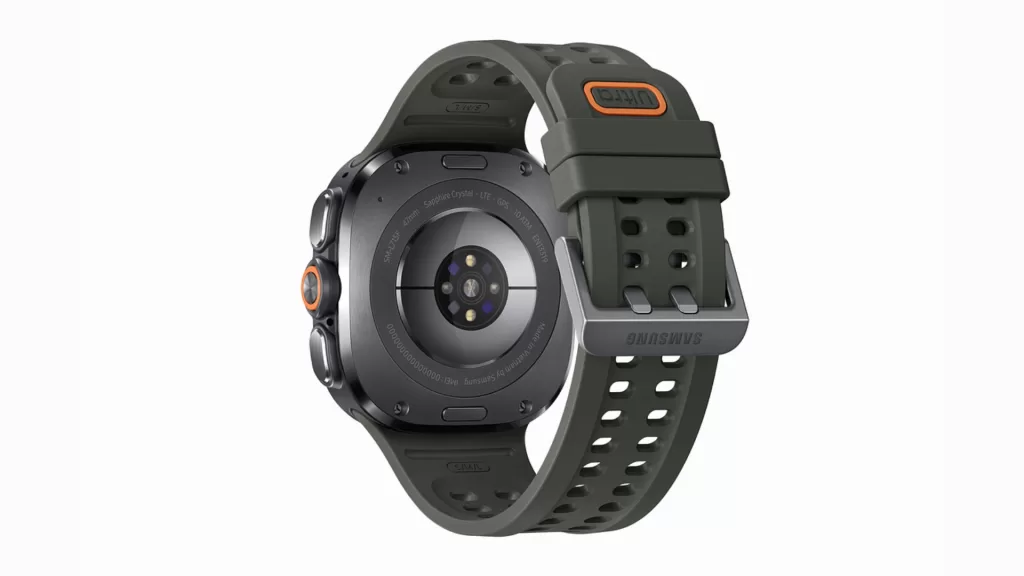
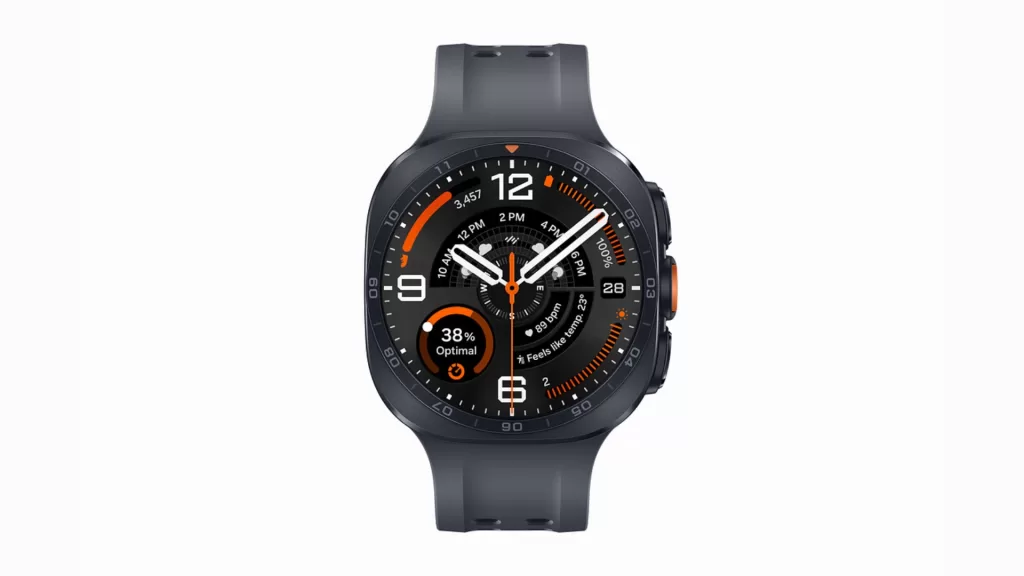
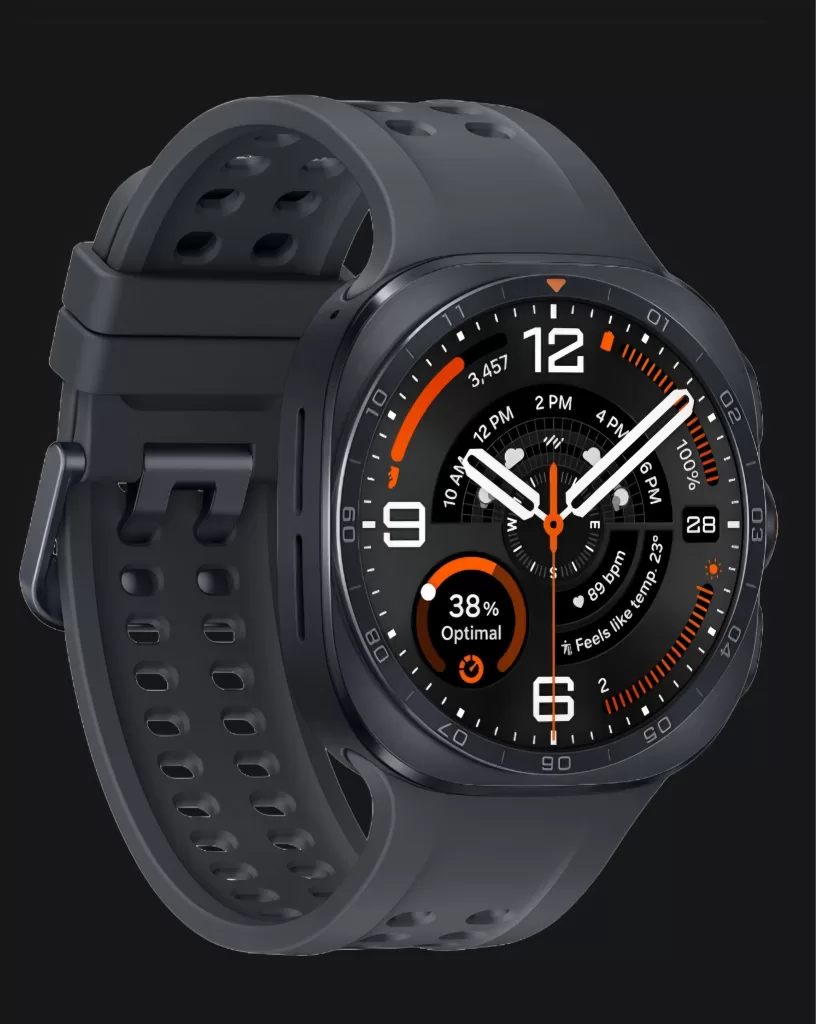
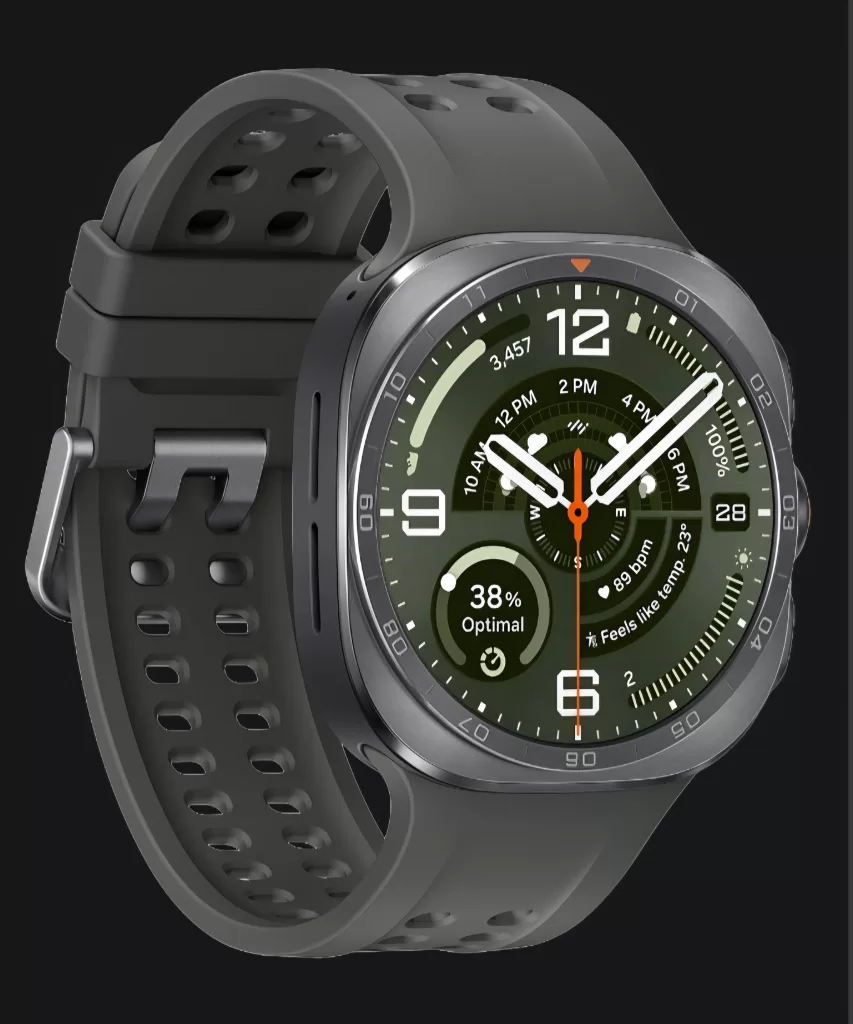
This 5-core processor is an absolute powerhouse. Benchmark leaks indicate a massive 54% jump in single-core performance and a 47% leap in graphical compute power over the previous generation. More importantly, this chipset features a dedicated Neural Processing Unit (NPU) that allows localised AI tasks—like complex sleep analytics and automated contextual replies—to run directly on the wrist, rather than relying on a paired smartphone. All models are expected to feature a baseline of 2GB of RAM and either 32GB or 64GB of onboard storage.
Hardy Revisions for Ruggedisation
It seems like the Galaxy Watch9 will look familiar to fans of the series, retaining the sleek, minimalist circular display nestled within a slim, 5ATM-rated aluminium body. It will be available in 40mm and 44mm sizes across Cream, Green, and Graphite colourways.
The Galaxy Watch Ultra 2, however, is built for the extremes. It retains the rugged “squircle” chassis of its predecessor but utilises an Armour Aluminium 2 core overlaid with a Titanium casing. Regulatory leaks point to a 10ATM water resistance rating alongside a rigorous IP69K certification, meaning the watch can withstand high-temperature, high-pressure water jets.
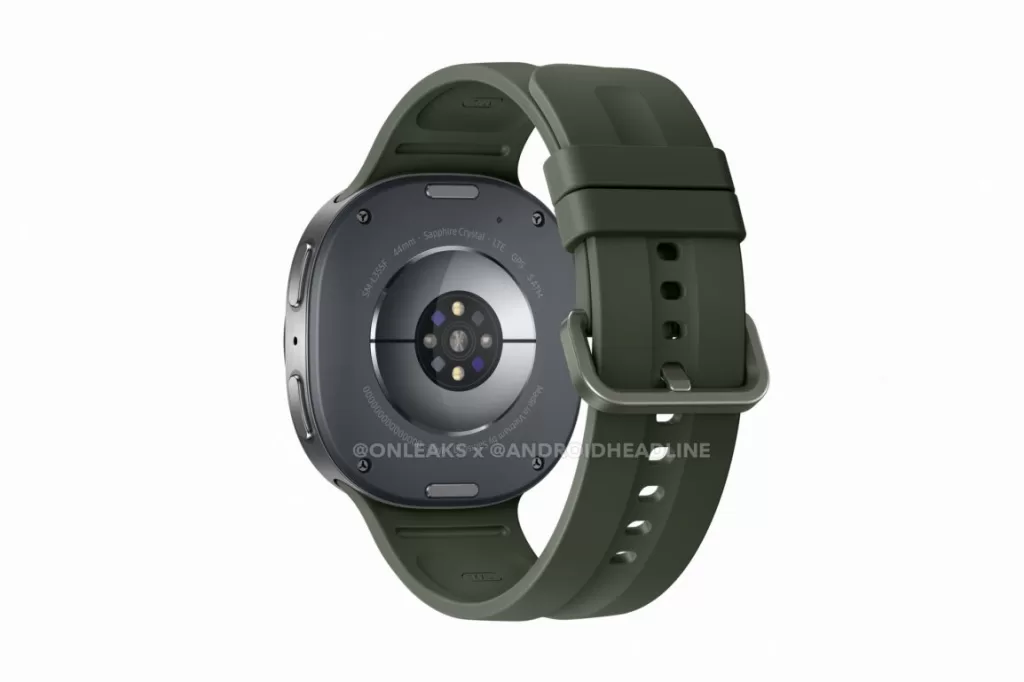
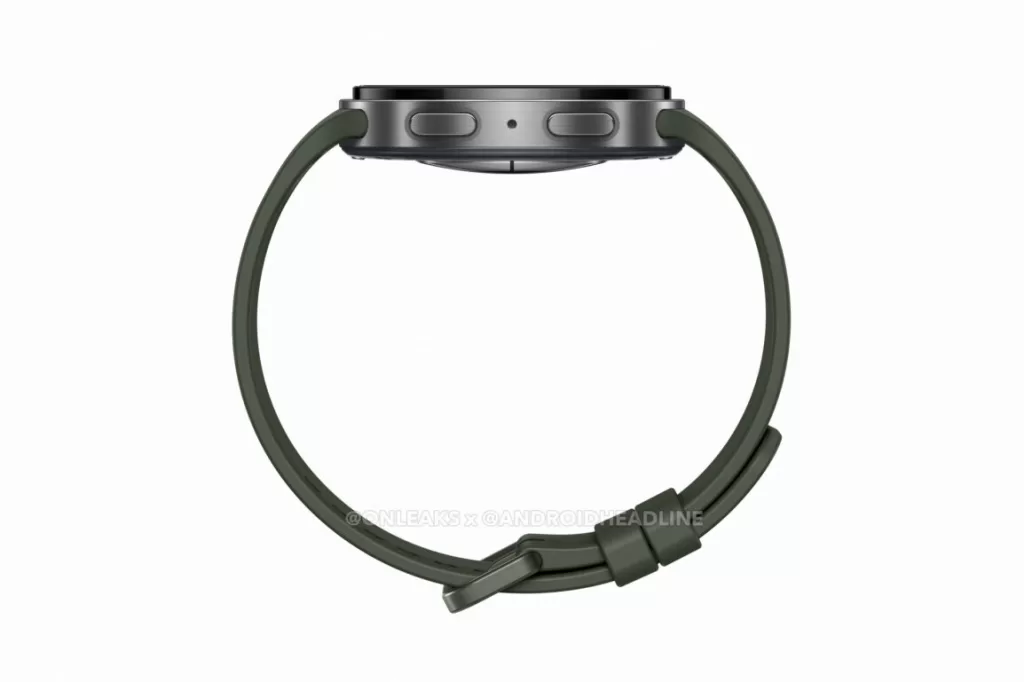
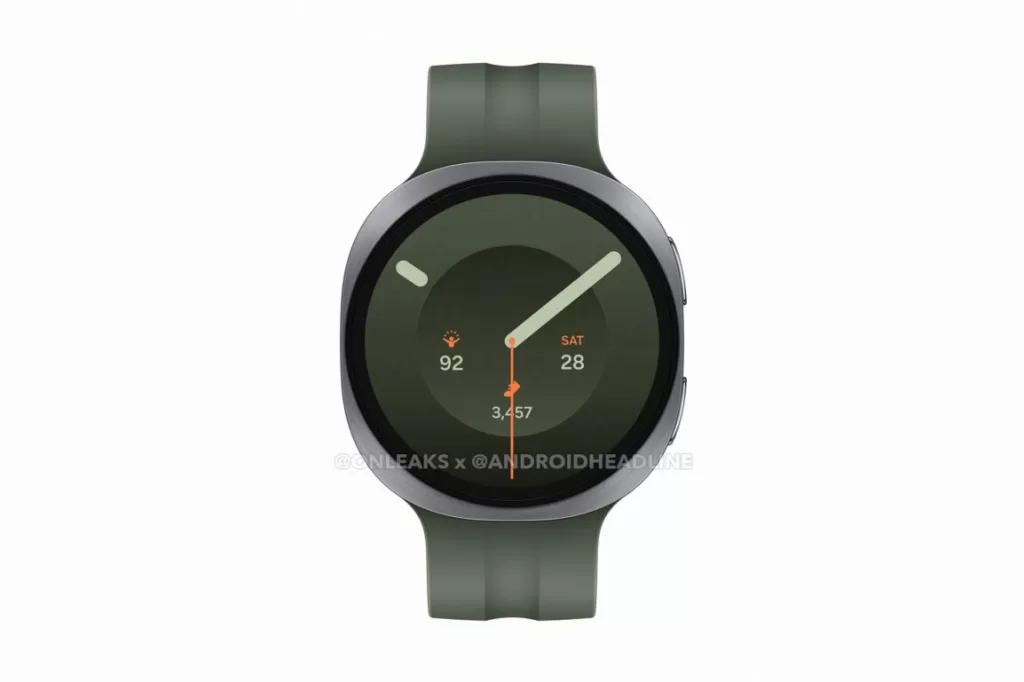
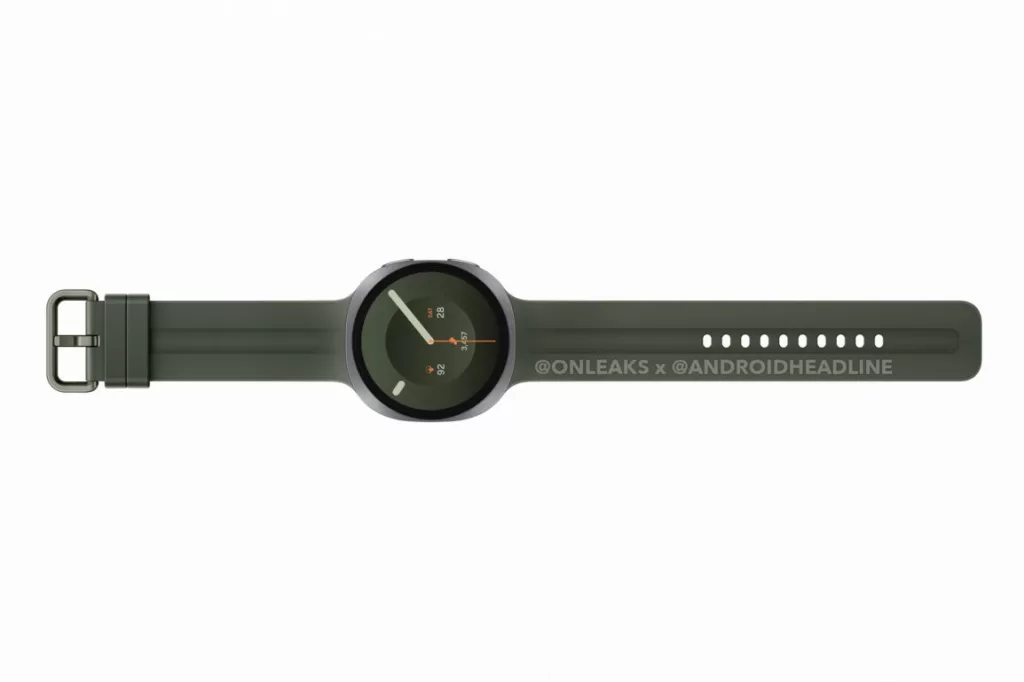
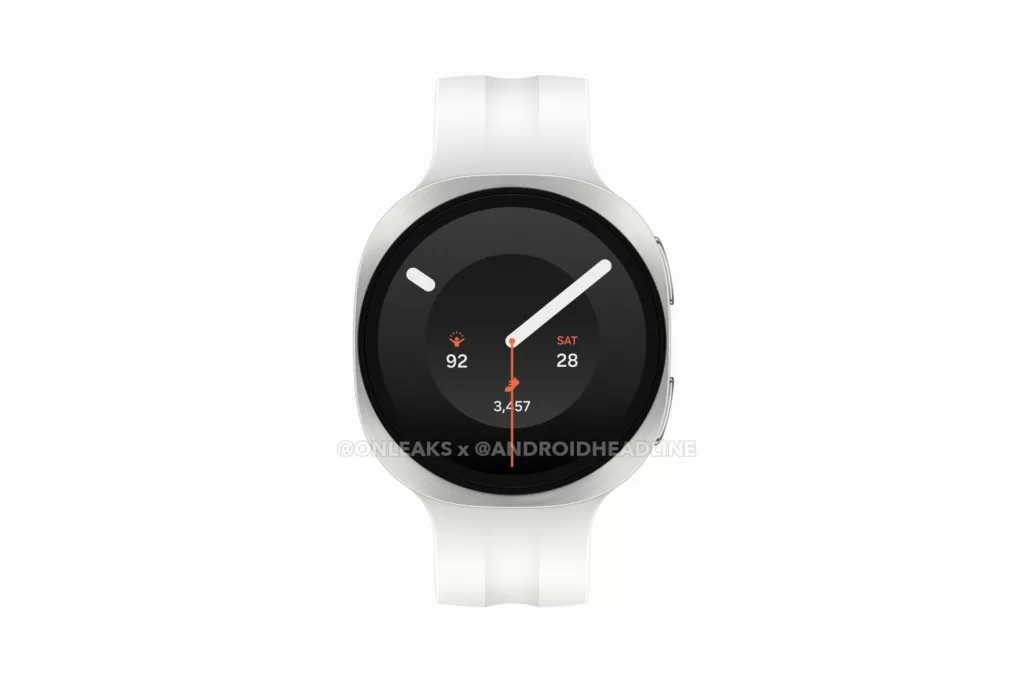
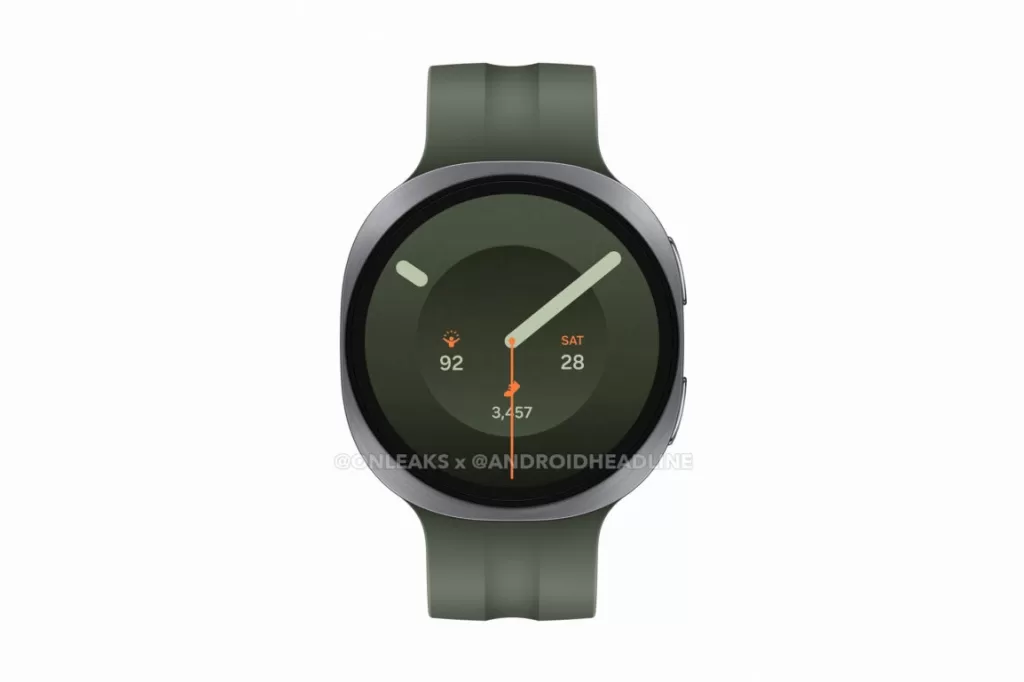
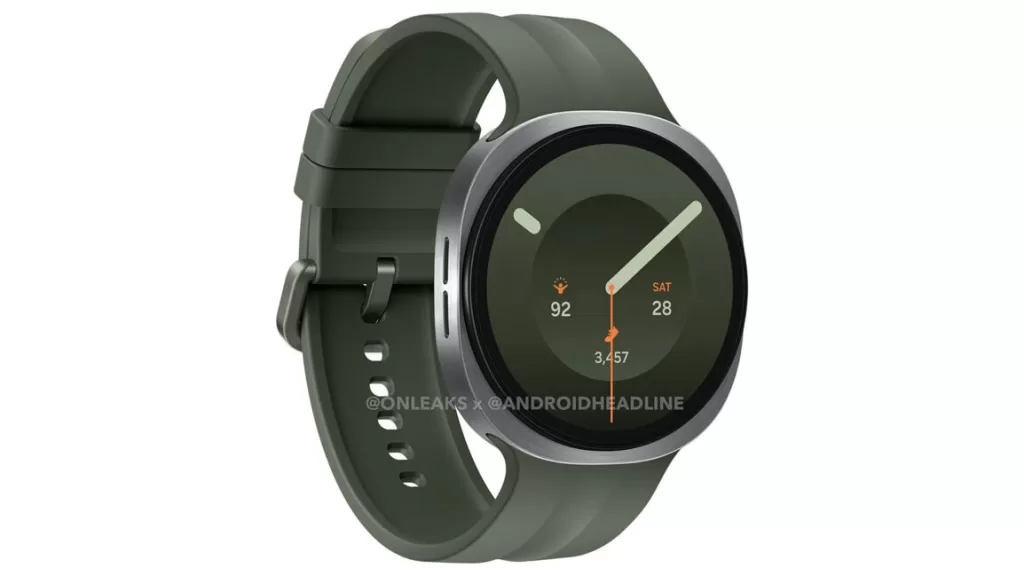
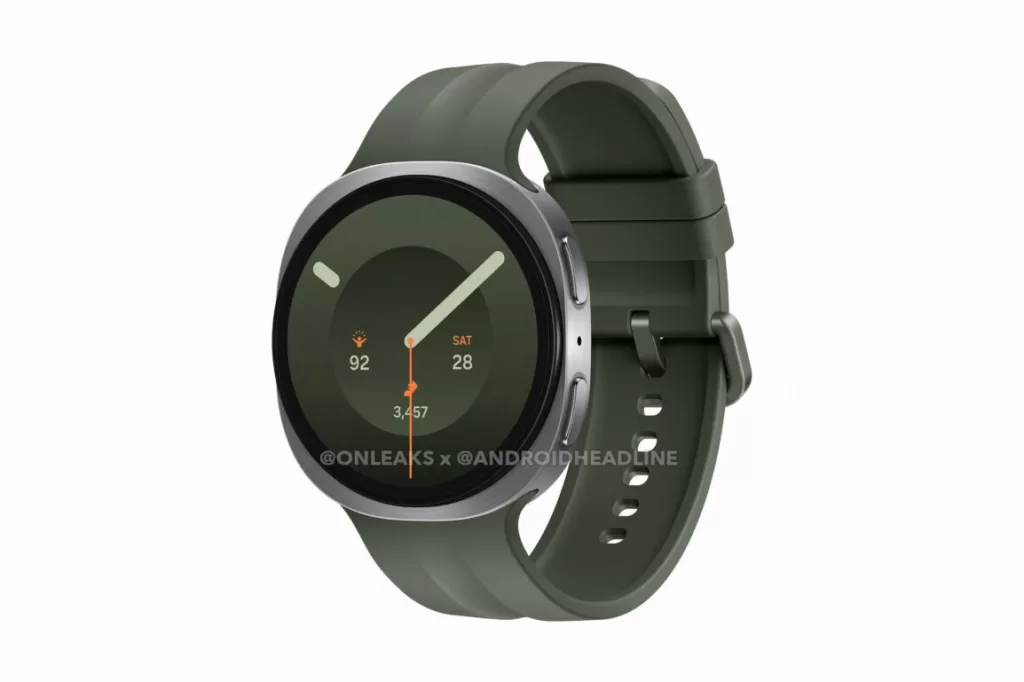
Visually, the Ultra 2 is a stunner. The 47mm device boasts a 1.5-inch Super AMOLED screen capable of an eye-searing 5,000 nits of peak brightness. This massively outshines the original Watch Ultra’s 3,000-nit panel, ensuring that metrics and topographical maps are perfectly readable even under the absolute harshest summer sunlight.
Battery Life: Multi-Day Endurance
Battery anxiety is the bane of the smartwatch experience. Samsung is addressing this aggressively with the Watch Ultra 2. Leaks indicate a staggering 800mAh battery cell—a massive 35% increase over the 590mAh cell found in the original Ultra. Paired with the highly efficient 3nm Snapdragon processor, the Ultra 2 is aiming to push well into multi-day endurance territory, even with continuous LTE and GPS tracking engaged.
The standard Galaxy Watch9 models will see more conservative battery implementations. The 40mm variant is expected to retain a 325mAh cell, while the 44mm version gets a modest bump to 445mAh.
Where is the Classic?
Noticeably absent from regulatory filings is any mention of a Galaxy Watch9 Classic with the fan-favourite rotating physical bezel. Samsung seems to be adhering to its historical bi-annual release cadence for the Classic line, meaning fans of the physical dial will likely have to wait until 2027 or stick with the Watch 8 Classic.
Pricing
Premium components come with premium price tags. The inclusion of 3nm Qualcomm silicon and enhanced displays means we are likely looking at a price increase across the board. European pricing leaks suggest the standard 40mm Galaxy Watch9 will start around €409 (approx RM 1900.97), while the uncompromising Galaxy Watch Ultra 2 (which is expected to launch exclusively as an LTE model) will command a hefty €749 (approx. RM 3481.25).
Galaxy Unpacked Happens On 22nd July at 9pm Malaysian Time

Will the massive battery and extreme brightness justify the cost for fitness enthusiasts? We can’t wait to find out. Make sure you tune in to the Galaxy Unpacked livestream on the 22nd July at 9pm (UTC +8), and stay tuned for the official details!